
China Reaffirms Support for Belarusian Sovereignty During Xi-Lukashenko Summit in Beijing
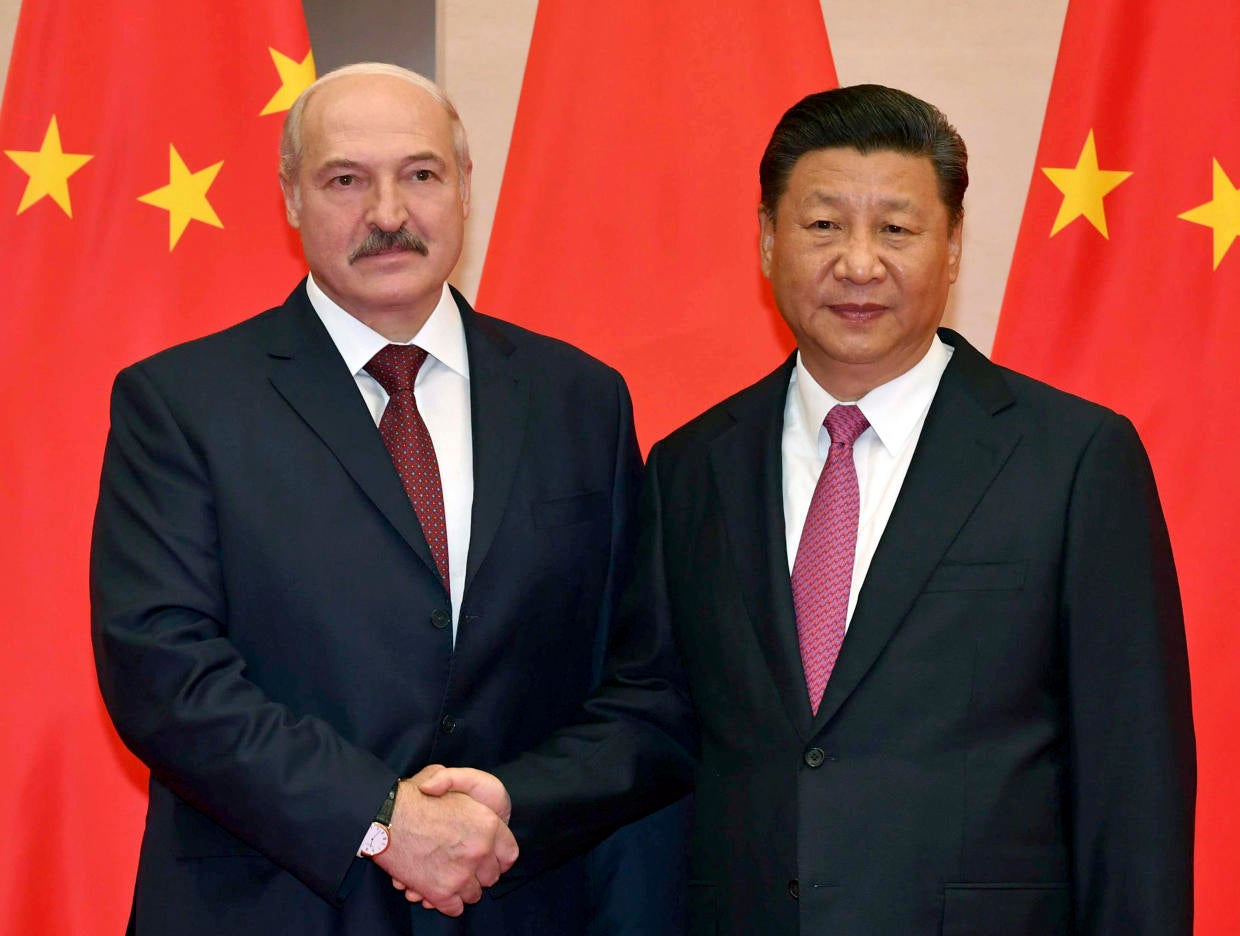
BEIJING — Chinese President Xi Jinping met with Belarusian President Alexander Lukashenko at the Diaoyutai State Guesthouse in Beijing on June 29, 2024, where China reaffirmed its support for Minsk’s national sovereignty and territorial integrity, according to official statements from both governments. The meeting, the first between the two leaders since Lukashenko’s controversial re-election in August 2020, comes as Belarus faces escalating Western sanctions and growing regional tensions over its alignment with Russia.
In a joint statement released after the talks, Chinese officials emphasized “respect for the sovereignty and territorial integrity of all countries,” a formulation widely interpreted as a direct reference to Belarus’s sovereignty amid Western criticism of its political system and military cooperation with Moscow. The statement did not mention Ukraine or the war in Eastern Europe, though analysts suggest the subtext was clear given the context of Belarus’s role as a transit route for Russian military supplies.
Lukashenko, who has faced international isolation over his crackdown on opposition figures and allegations of election fraud, used the meeting to highlight Belarus’s “strategic partnership” with China. “We discussed the deepening of our cooperation in all areas, including economy, trade, and security,” Lukashenko said in remarks reported by the Belarusian state news agency BELTA. “China’s support for Belarus’s sovereignty is crucial in today’s challenging international environment.”
Why the Meeting Matters: China’s Growing Role in Belarus-Russia Dynamics
The summit underscores China’s expanding influence in Eastern Europe as it seeks to counter Western dominance in the region. While Russia remains Belarus’s primary military and economic partner, China has emerged as a key alternative source of investment and diplomatic backing, particularly in sectors like infrastructure and energy. According to a Reuters report, the two countries signed deals worth over $1.5 billion during Lukashenko’s visit, including agreements on agricultural cooperation, digital economy projects, and railway modernization.
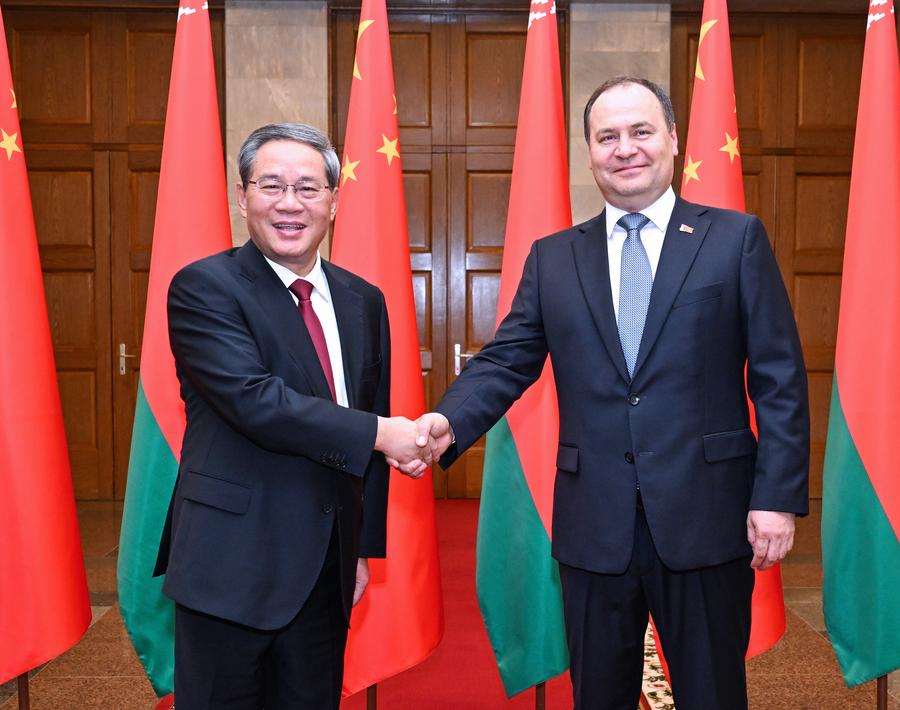
For Lukashenko, the meeting provides a rare opportunity to showcase Belarus’s independence from Russia while securing economic lifelines. “Belarus is not a satellite of any country,” Lukashenko told reporters, adding that his country maintains “equal partnerships” with both Moscow and Beijing. However, analysts note that Belarus’s economic dependence on Russia—particularly in the energy sector—limits its ability to fully diversify its alliances.
China’s stance on Belarus’s sovereignty also reflects its broader strategy of maintaining neutrality in the Russia-Ukraine conflict while strengthening ties with non-Western states. Unlike Russia, which has openly supported Belarus’s military actions, China has avoided direct condemnation of Western sanctions while offering diplomatic cover. This approach allows China to position itself as a mediator in potential future negotiations, according to BBC analysis.
Key Takeaways from the Xi-Lukashenko Summit
- Economic Cooperation: The two countries signed agreements worth over $1.5 billion, focusing on agriculture, digital infrastructure, and railway projects. China has become Belarus’s second-largest trade partner after Russia.
- Diplomatic Support: China reaffirmed its commitment to Belarus’s sovereignty, a statement seen as a counterbalance to Western pressure. The joint communiqué avoided mention of Ukraine but emphasized “peaceful coexistence.”
- Security Implications: While China did not explicitly endorse Belarus’s military role in Ukraine, the meeting signals continued support for Minsk’s position, potentially complicating Western efforts to isolate Russia.
- Long-Term Strategy: China’s investments in Belarus are part of its Belt and Road Initiative (BRI), aiming to secure influence in Europe’s eastern flank without direct confrontation with the West.
What Happens Next: Sanctions, Investments, and Regional Tensions
The summit’s immediate impact will be felt in three key areas: economic cooperation, geopolitical positioning, and the future of Belarus’s relationship with both China and Russia.
1. Economic Fallout: Sanctions vs. Chinese Investment
Western sanctions on Belarus, particularly those targeting its oil refineries and financial sector, have crippled the country’s economy. However, Chinese investment—particularly in agriculture and digital infrastructure—offers a lifeline. Belarus’s state-owned Belneftekhim refinery, which processes Russian crude oil, has already seen Chinese firms explore joint ventures to bypass sanctions. “China’s role is becoming increasingly critical for Belarus’s survival,” said Andrei Kolesnikov, a senior fellow at the Moscow Carnegie Center, though he noted that Belarus remains “trapped between Russia and China.”
2. Geopolitical Chess: China’s Neutrality in Ukraine
China’s refusal to recognize Belarus’s military involvement in Ukraine—while avoiding direct support for Russia—has created a delicate balance. The U.S. State Department has condemned Belarus’s role in the war, but China’s position remains ambiguous. “China is walking a tightrope,” explained Eliza Giacobetti, a China-Eastern Europe expert at the Council on Foreign Relations. “It wants to maintain access to European markets while supporting its partner in Minsk.”
Lukashenko’s visit to Beijing follows a similar trip by Russian Foreign Minister Sergey Lavrov in early June, where China reaffirmed its “no limits” partnership with Russia. However, China has not extended the same level of military support, focusing instead on economic and diplomatic ties. This distinction may allow China to maintain influence in Belarus without triggering Western retaliation.
3. Belarus’s Future: Can It Balance China and Russia?
Analysts debate whether Belarus can successfully navigate its dual relationships with China and Russia. While China offers economic alternatives, Belarus’s military and security sectors remain deeply integrated with Russia’s. “Lukashenko needs both China and Russia, but he cannot afford to alienate either,” said Maksim Zavadski, a Belarusian political analyst. “The challenge is to keep both sides happy without losing independence.”
One potential flashpoint is Belarus’s potential to become a transit hub for Chinese goods bound for Europe, bypassing Russian territory. If successful, this could further strain Belarus-Russia relations, as Moscow has historically controlled trade routes through its territory.
Official Statements and Reactions
The Chinese Foreign Ministry released a joint statement following the meeting, emphasizing “mutual respect for each other’s core interests and major concerns.” The statement also highlighted cooperation in:
- Economic and trade ties, including the expansion of the China-Belarus Industrial Park.
- Digital infrastructure, with plans to develop a joint “digital Silk Road” initiative.
- Energy cooperation, though specifics on oil and gas were not disclosed.
- Cultural and educational exchanges, including scholarships for Belarusian students.
In response, the European Union issued a statement condemning Lukashenko’s visit, calling it “a reward for repression.” The U.S. State Department declined to comment directly on the meeting but reiterated its stance that Belarus’s actions in Ukraine “undermine international peace and security.”
“The meeting between Xi Jinping and Alexander Lukashenko is another example of how authoritarian regimes are seeking to bypass Western sanctions through alternative partnerships. While China’s economic support for Belarus is real, it comes with strings attached—primarily political loyalty.”
What to Watch: Next Steps for Belarus-China Relations
The next major checkpoint will be the China-Belarus Business Forum, scheduled for October 2024 in Minsk, where officials are expected to announce further investment deals. Additionally:
- September 2024: Belarusian parliamentary elections, which will test Lukashenko’s domestic legitimacy amid ongoing protests and sanctions.
- November 2024: Potential expansion of Chinese military logistics support to Belarus, though no official announcements have been made.
- 2025: Possible Chinese involvement in Belarus’s nuclear energy sector, following Russia’s withdrawal of its Belarusian nuclear plant cooperation.
For readers seeking official updates, the following resources provide real-time information:
- Chinese Ministry of Foreign Affairs (for joint statements and press releases).
- Belarusian Government Portal (for domestic policy announcements).
- U.S. State Department Belarus Page (for Western perspectives on sanctions and diplomacy).
Your Thoughts: How do you view China’s role in supporting Belarus amid Western sanctions? Share your analysis in the comments below or on our contact page. For more on geopolitics and global affairs, subscribe to our newsletter for weekly updates.
Worth a look