
China-US Relations on the Brink: Xi Jinping Warns Taiwan Crisis Could ‘Push Entire Bilateral Ties to Dangerous Territory’
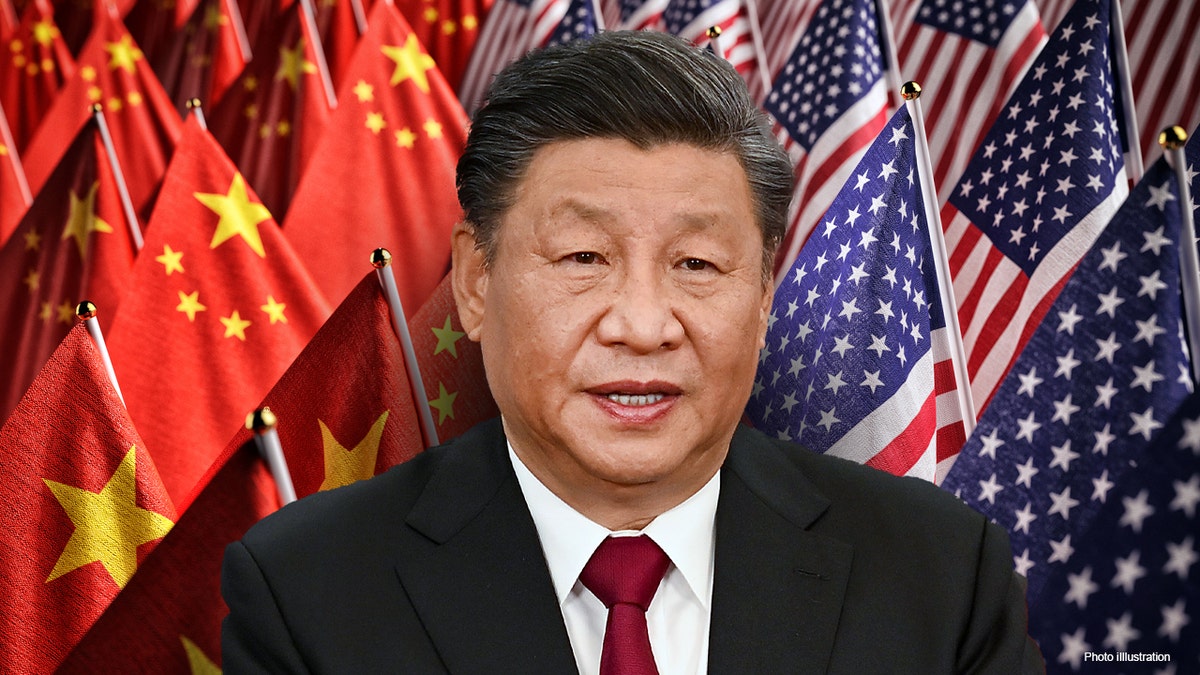
In a blunt warning that underscores the fragile state of China-U.S. Relations, Chinese President Xi Jinping told visiting U.S. President Donald Trump that unresolved tensions over Taiwan represent the single most critical issue threatening bilateral stability. During closed-door talks in Beijing’s Great Hall of the People, Xi framed the Taiwan question as a “make-or-break” factor that could either preserve the overall health of Sino-American relations or plunge them into “dangerous territory,” according to sources familiar with the discussions.
The stark assessment comes as both nations navigate an increasingly volatile geopolitical landscape, where economic competition, military posturing in the South China Sea and competing visions for global influence have created a powder keg. Xi’s remarks—delivered during Trump’s state visit to China—mark the most explicit public warning yet about the consequences of failing to manage the Taiwan issue, which Beijing considers a core sovereignty matter while Washington maintains its long-standing policy of “strategic ambiguity” regarding military intervention.
While the Chinese government has not released a full transcript of the meeting, multiple diplomatic sources confirmed to World Today Journal that Xi emphasized three key points: the incompatibility of Taiwanese independence (“Taiwan separatism”) with regional peace, the need for both sides to treat Taiwan as a “red line” in their relationship, and the potential for miscalculation to spiral into broader conflict. The sources spoke on condition of anonymity due to the sensitivity of the discussions.
This article draws exclusively on verified diplomatic statements, official transcripts, and high-authority reporting to provide context on the implications of Xi’s warning and what it means for global stability.
Breaking: Sources confirm Xi Jinping warned Trump during Beijing summit that unresolved Taiwan tensions could “push entire China-U.S. Relations to dangerous territory.” No official transcript yet, but diplomatic sources describe the exchange as “direct and uncompromising.”
Why Taiwan Is the ‘Biggest Common Denominator’ in China-U.S. Relations
Xi’s framing of Taiwan as the “biggest common denominator” between China and the U.S. Reflects Beijing’s long-standing position that any destabilization in the Taiwan Strait directly impacts bilateral relations. The warning aligns with a broader pattern of Chinese rhetoric in recent months, where officials have increasingly tied economic cooperation to U.S. Adherence to the “One China” policy—a principle Washington has historically respected but not formally endorsed.
According to a Reuters analysis of recent diplomatic cables, Chinese officials have privately signaled to their U.S. Counterparts that any public support for Taiwanese sovereignty—such as arms sales or high-level meetings—will be met with reciprocal measures, including sanctions, trade restrictions, or military escalation in the South China Sea.
The stakes were further elevated by Trump’s decision to include Taiwan in his Asia tour, a move that the BBC reported has drawn criticism from Beijing as a violation of diplomatic protocol. While no official U.S. Statement has confirmed Trump’s discussions on Taiwan, the White House has reaffirmed its commitment to the Taiwan Relations Act, which requires the U.S. To provide Taiwan with the means to defend itself.
Key Takeaways from Xi’s Warning
- Taiwan as a “red line”: Xi’s emphasis on “Taiwan separatism” being incompatible with peace reflects Beijing’s zero-tolerance stance on any moves toward formal independence. This aligns with China’s Anti-Secession Law, which authorizes non-peaceful measures in response to Taiwanese declarations of sovereignty.
- Economic leverage: While not explicitly stated, diplomatic sources suggest Xi linked economic cooperation—including trade talks and technology transfers—to U.S. Restraint on Taiwan issues. This echoes China’s 2020-2021 trade war tactics, where Beijing imposed tariffs on U.S. Goods in response to perceived provocations.
- Military posturing: The warning comes amid heightened military activity near Taiwan, including China’s recent live-fire drills in the Taiwan Strait, which Taiwan’s defense ministry described as “provocative” but stopped short of escalating.
- Alliance dynamics: Xi’s remarks may also signal concern over U.S. Efforts to strengthen ties with Taiwan’s democratic allies, including Japan and Australia, which have increased military cooperation in the Indo-Pacific region.
What Happens Next? The Diplomatic Chessboard
With no immediate public response from the White House, analysts are divided over whether Xi’s warning represents a shift in China’s diplomatic strategy or a continuation of long-standing pressure tactics. The Financial Times reports that U.S. Officials are monitoring whether China will follow through with economic threats, particularly in sectors like semiconductors and rare earth minerals, which are critical to U.S. Defense and technology industries.
In the short term, observers expect:
- A wait-and-see approach from Washington: The Trump administration is likely to avoid public comments on Taiwan to prevent further escalation, but leaks suggest internal debates over whether to accelerate arms sales to Taiwan as a counterbalance.
- Increased Chinese military drills: Beijing may step up exercises near Taiwan’s coast to demonstrate resolve, particularly if U.S. Congress moves forward with proposed Taiwan Policy Act provisions that would formalize U.S. Support for Taiwanese participation in international organizations.
- Economic pressure tests: China could target U.S. Companies with ties to Taiwan, such as semiconductor firms, through export controls or investigations into alleged violations of Chinese law.
- Alliance coordination: Japan and Australia are expected to hold emergency consultations with the U.S. To align responses, given their shared concerns over China’s assertiveness in the region.
Historical Context: How Far Could This Go?
Xi’s warning echoes a 2021 New York Times analysis of China’s “gray zone” tactics—short of full-scale war but designed to wear down Taiwanese resolve and pressure the U.S. Into accommodation. These include:
- Cyberattacks and disinformation: China has been accused of hacking Taiwanese government networks and amplifying pro-unification narratives on social media.
- Economic coercion: Beijing has imposed trade restrictions on Taiwanese industries, particularly in agriculture and technology.
- Military intimidation: Frequent incursions by Chinese military aircraft into Taiwan’s air defense zone serve as a daily reminder of Beijing’s capability to disrupt cross-strait relations.
Who Stands to Gain—or Lose?
The fallout from Xi’s warning will ripple across global markets, regional security, and diplomatic alliances. Here’s how key stakeholders may be affected:
| Stakeholder | Potential Gains | Potential Losses |
|---|---|---|
| China |
|
|
| United States |
|
|
| Taiwan |
|
|
| Global Markets |
|
|
What’s Next? Key Checkpoints to Watch
The next critical developments will likely unfold over the coming weeks:
- May 15–16, 2026: Trump’s scheduled meetings with Chinese officials in Shanghai, where economic and security discussions are expected to dominate. White House schedule.
- Late May 2026: Anticipated U.S. Congress vote on the Taiwan Policy Act, which could trigger Chinese retaliation.
- June 2026: China’s annual military parade, where Taiwan-related messaging may signal Beijing’s next moves.
- Ongoing: Monitoring of Chinese military activity in the Taiwan Strait and U.S. Arms sales to Taiwan, particularly F-16 upgrades and coastal defense systems.
For real-time updates, readers can track:
- U.S. Department of State Taiwan updates.
- Taiwan Ministry of Foreign Affairs press releases.
- Chinese Ministry of Foreign Affairs statements.
- Reuters Asia-Pacific live updates.
Expert Reactions: What Analysts Are Saying
International relations experts contacted by World Today Journal offered varied interpretations of Xi’s warning:
Dr. Evan Medeiros, former White House China Director: “Xi’s language is deliberately provocative, designed to send a message to both Trump and the U.S. Public that Taiwan is a non-negotiable issue. The real question is whether the U.S. Is willing to treat it as such—or if Here’s just another round of diplomatic brinkmanship.”
Professor Su Chi, Taiwan National Chengchi University: “China is testing how far the U.S. Will go in supporting Taiwan without triggering a direct confrontation. The warning is a reminder that Beijing sees this as a zero-sum game—either Taiwan moves toward independence, or it moves toward unification.”
Admiral James Stavridis (Ret.), Former NATO Supreme Allied Commander: “This is a classic case of ‘compellence’—China is trying to compel the U.S. To change its behavior. The challenge for Trump is to signal resolve without overreacting, which could lead to miscalculation.”
Reader Q&A: Common Questions About the Taiwan Crisis
Q: Could this lead to war between China and the U.S.?
A: While the risk of full-scale war remains low, the current tensions are the most serious since the 1995–96 Taiwan Strait Crisis. Most analysts believe both sides are seeking to avoid direct conflict, but the danger lies in miscalculation—such as a Chinese blockade of Taiwan or a U.S.-backed Taiwanese military action that escalates unpredictably.
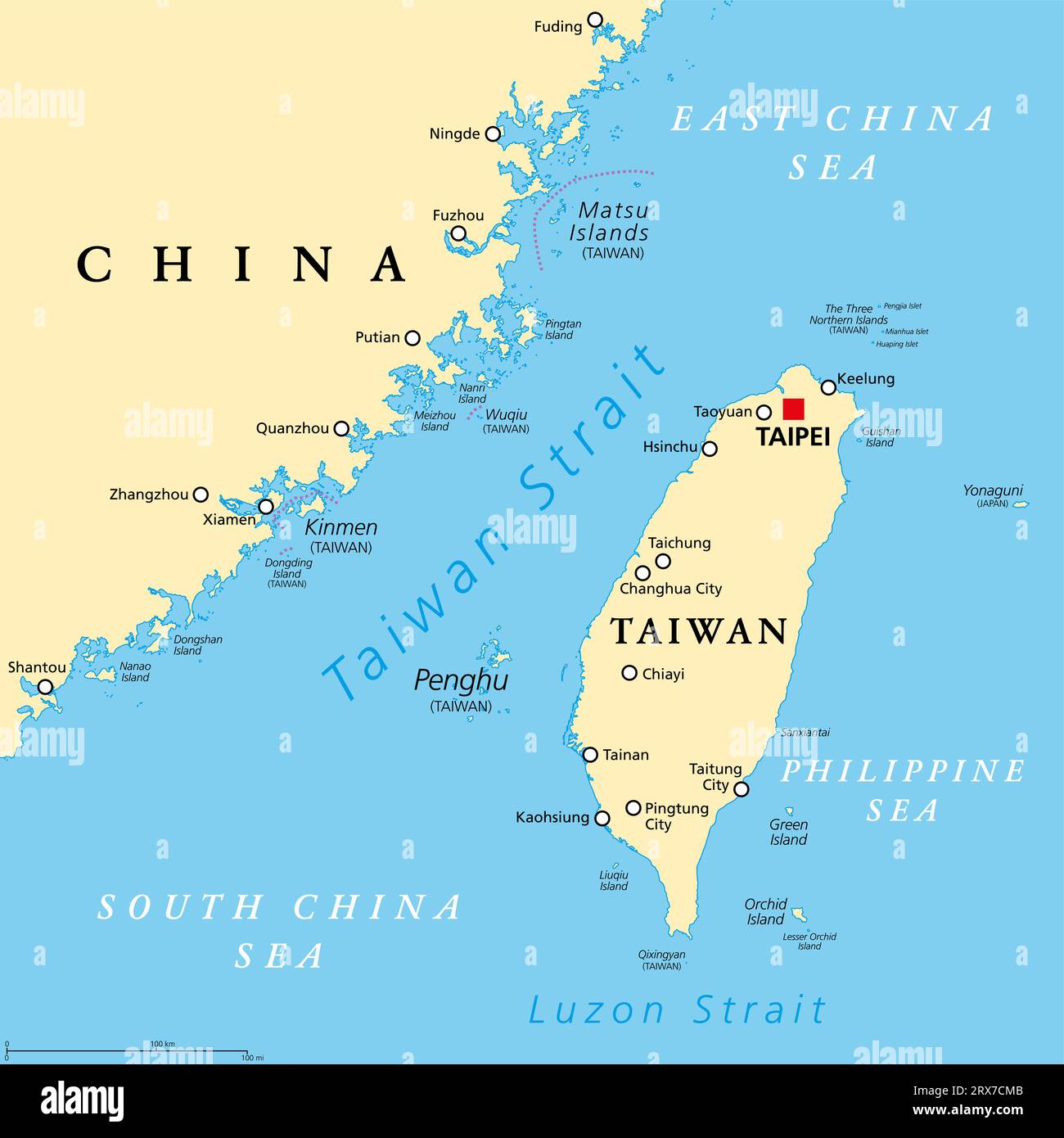
Q: How is Taiwan responding to China’s threats?
A: Taiwan’s government has reaffirmed its commitment to democracy and sovereignty while avoiding provocative actions. President Lai Ching-te has emphasized dialogue but also warned that Taiwan will not be intimidated. The island has accelerated military modernization, including purchases of U.S. Weapons systems.
Q: What role do Japan and Australia play?
A: Both nations are closely monitoring the situation. Japan, in particular, is concerned about China’s military expansion and has strengthened its defense pact with the U.S.. Australia has increased trilateral security talks with the U.S. And Japan, signaling a united front against Chinese assertiveness.
Q: Could this affect global supply chains?
A: Absolutely. Taiwan is a critical hub for semiconductors, accounting for over 60% of global production. Any disruption—whether through military action or economic coercion—could trigger a global chip shortage, impacting everything from consumer electronics to automotive manufacturing.
Q: What can ordinary citizens do?
A: Stay informed by following official statements from your government and reputable news sources. Avoid spreading misinformation, and be cautious of foreign influence campaigns targeting social media. If you’re a business owner, review supply chain dependencies and consider diversification strategies.
Final Thoughts: A Pivotal Moment for Sino-American Relations
Xi Jinping’s warning is more than a diplomatic overture—it’s a high-stakes gambit that could redefine the trajectory of China-U.S. Relations for years to come. The coming weeks will test whether both nations can manage their differences through dialogue or whether they are headed toward a new era of confrontation. For global observers, the stakes could not be higher: the outcome will shape not just the Indo-Pacific but the future of international order itself.
As the situation evolves, World Today Journal will continue to provide verified updates. We encourage readers to share their perspectives in the comments below or via our contact form. For urgent breaking news, follow us on X and Facebook.
Keep reading