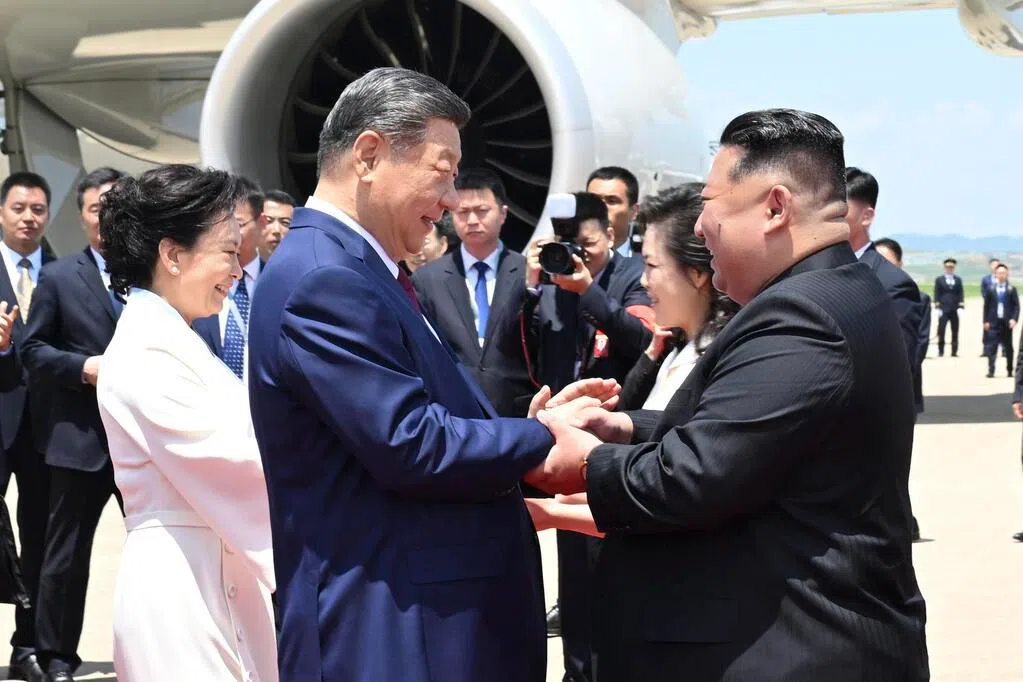
Chinese President Xi Jinping’s visit to North Korea, his first since 2019, marks a significant moment in regional diplomacy as he seeks to bolster bilateral ties and discuss strategic coordination with North Korean leader Kim Jong Un. The two-day visit, which began on June 8, 2026, focuses on strengthening the traditional alliance between Beijing and Pyongyang, with official reports from both sides highlighting cultural exchanges and high-level talks rather than progress on the contentious issue of denuclearization.
This diplomatic engagement follows a seven-year hiatus in state visits by the Chinese leader to the North, a period characterized by shifting geopolitical tensions across the Korean Peninsula. While observers have scrutinized the meeting for potential movement on nuclear disarmament, official readouts have prioritized the “strategic coordination” and “bilateral cooperation” between the two nations, underscoring the enduring nature of their historical partnership.
A Renewed Emphasis on Bilateral Cooperation
During the summit, President Xi and leader Kim Jong Un held formal discussions aimed at deepening their nations’ relationship. According to official accounts, the leaders reviewed the state of their bilateral alliance, which has served as a cornerstone of Chinese foreign policy in Northeast Asia for decades. The visit was underscored by elaborate ceremonial welcomes in Pyongyang, emphasizing the personal rapport between the two leaders and the symbolic importance of their continued alignment.
Accompanying the President, Peng Liyuan participated in various cultural events, including a dedicated artistic performance featuring traditional Chinese music. These soft-power efforts are designed to reinforce the “blood-sealed” friendship often invoked in state-run media to characterize the relationship between the two Communist-led states. By focusing on these cultural and historical ties, both leaders have signaled that their current priority is the solidification of their regional partnership in the face of broader international pressures.
Strategic Silence on Nuclear Disarmament
A notable aspect of the summit’s official documentation is the lack of public mention regarding North Korea’s nuclear weapons program. In previous years, high-level diplomatic efforts involving China, the United States, and North Korea frequently centered on the goal of denuclearization. The current absence of this topic from the official summit agenda suggests a pivot toward maintaining regional stability and supporting the North Korean leadership’s immediate economic and security objectives.
The decision to omit denuclearization from the public readout may be interpreted as a strategic choice to avoid friction during the talks. For Beijing, the primary objective appears to be ensuring that Pyongyang remains within its sphere of influence, thereby preventing the North from drifting toward other regional powers or facing total isolation. This approach aligns with broader Chinese efforts to maintain its status as a key interlocutor in Korean affairs while managing its own complex relationships with global powers.
Geopolitical Signals and Regional Stability
International analysts continue to monitor the visit for signals regarding China’s broader strategic calculations. By visiting Pyongyang, President Xi has effectively demonstrated that Beijing remains a vital partner for North Korea, despite the ongoing international sanctions regime. This move carries significant weight in the context of global power competition, as it reaffirms China’s role as the primary supporter of the current North Korean administration.
The timing of the visit, occurring during a period of heightened international concern over security arrangements in the Pacific, serves as a clear message to other regional actors. While Beijing has historically advocated for a peaceful resolution to tensions on the peninsula, the current focus on bilateral strategic coordination suggests that China is prioritizing its own security interests and regional influence above the stalled multilateral denuclearization framework.
The visit is scheduled to conclude on June 9, 2026. As of now, no further official announcements regarding new economic aid packages or defense pacts have been confirmed by either state. Observers expect that future updates will be disseminated through official state media channels in Beijing and Pyongyang, as is customary for such high-level diplomatic exchanges.
We invite our readers to follow our ongoing coverage as more details emerge from these meetings. Please share your thoughts in the comments section below regarding the potential long-term impacts of this visit on regional stability.
Related reading