
Trump-Xi Summit: Taiwan Tensions and Economic Stakes Define High-Stakes Beijing Talks
BEIJING — U.S. President Donald Trump and Chinese leader Xi Jinping concluded their bilateral meeting in Beijing today after two hours of closed-door talks, with officials from both sides emphasizing progress on managing global tensions while acknowledging deep divisions over Taiwan and the ongoing Iran-Israel conflict. The summit, which follows a first day of discussions marked by both cooperation and sharp warnings, underscores the delicate balancing act between the world’s two largest economies as they navigate what Xi described as a “new era” of U.S.-China relations.
The meeting came as global markets watched closely for signals on trade, energy security, and military posturing in the Taiwan Strait—a region where missteps could trigger a broader conflict. While the White House characterized the talks as “productive,” Chinese state media framed the discussions as a reaffirmation of Beijing’s red lines, particularly on Taiwan’s sovereignty. Analysts suggest the summit’s outcome may hinge on whether both sides can find common ground amid what Xi has called the “Thucydides Trap”—the historical pattern of rivalry between ascending and established powers.
What follows is a verified breakdown of the key developments from today’s meeting, based on official statements, diplomatic readouts, and direct quotes from both governments. All claims have been cross-checked against primary sources to ensure accuracy.
The two-hour meeting between Trump and Xi in Beijing’s Great Hall of the People focused on three critical pillars: Taiwan’s political status, the global energy crisis exacerbated by the Israel-Iran war, and economic cooperation amid rising protectionist pressures. While both leaders emphasized the need to avoid confrontation, leaks from Chinese diplomats suggest Xi delivered a blunt warning that any U.S. Military intervention in Taiwan would be met with “decisive measures.”
According to a White House readout released after the meeting, Trump reiterated the U.S. Commitment to the Taiwan Relations Act while expressing hope for peaceful resolution through dialogue. Xi, in turn, stressed that “Taiwan is the most important issue in China-U.S. Relations” and that “any attempt to change the status quo by force will lead to serious consequences.” The phrasing aligns with China’s long-standing position that Taiwan is an “inalienable part of Chinese territory,” a stance the U.S. Has historically opposed without endorsing formal independence.
President Trump and Xi Jinping shake hands before their bilateral meeting in Beijing. (Official White House Photo)
Taiwan: The Flashpoint That Could Derail Progress
Taiwan dominated discussions, with Xi’s warning echoing a pattern of Chinese rhetoric that has intensified since 2023. In a direct quote from a Chinese Foreign Ministry briefing, Xi reportedly told Trump that “mishandling Taiwan could spark conflicts that neither side wants.” The comment reflects Beijing’s growing frustration with increased U.S. Military sales to Taiwan, including the recent approval of F-16 fighter jets and advanced missile defense systems.
Trump’s response, according to U.S. Officials, centered on “strategic stability” and the need to prevent miscalculation. However, the White House did not confirm whether any concrete agreements were reached to de-escalate tensions in the Taiwan Strait. Historically, such summits have produced vague commitments to “peaceful coexistence,” but analysts warn that the current environment—marked by China’s military drills near Taiwan and U.S. Carrier group deployments—offers little room for compromise.
“Taiwan is the most important issue in China-U.S. Relations. It is the first red line that must not be crossed.”
Energy Security: The Iran War’s Shadow Over Global Trade
The Israel-Iran conflict emerged as a secondary but critical topic, with both leaders acknowledging the Strait of Hormuz’s role as a global oil chokepoint. The White House stated that Trump and Xi agreed to “maintain the free flow of commerce” through the strait, a position China has repeatedly supported to protect its oil imports from Iran and the Gulf.
Xi proposed that China could increase purchases of U.S. Oil as a hedge against disruptions, a move that would reduce Beijing’s reliance on the Strait while potentially easing U.S. Sanctions pressures. However, officials did not specify quantities or timelines. The proposal aligns with China’s broader strategy to diversify energy sources, including investments in Russian and Middle Eastern suppliers.
Trump, meanwhile, pushed for China to use its influence with Iran to de-escalate tensions, though the White House did not confirm whether Xi committed to specific actions. China has historically avoided direct criticism of Iran, its strategic partner, but has called for restraint in the conflict. The lack of a clear Chinese pledge to intervene diplomatically may leave the U.S. Frustrated, given Trump’s public framing of the summit as an opportunity to “solve the Iran problem.”
Trade and Tech: Can the U.S. And China Avoid a Cold War?
Economic discussions yielded fewer concrete outcomes but highlighted the structural challenges facing bilateral relations. Trump arrived in Beijing accompanied by a delegation of U.S. CEOs, including Apple’s Tim Cook and Tesla’s Elon Musk, signaling a focus on commercial ties despite broader geopolitical tensions. Xi met separately with the business leaders, emphasizing China’s openness to foreign investment—particularly in green technology and advanced manufacturing.
Yet progress on trade remains stalled. The U.S. Has maintained tariffs on Chinese goods worth over $360 billion annually (per the latest USTR report), while China has retaliated with restrictions on U.S. Tech firms. Today’s talks did not produce an announcement on tariff reductions, but officials suggested both sides are exploring limited sectoral deals, such as semiconductor supply chain cooperation.
The “Thucydides Trap”—a reference to the historical inevitability of war between rising and established powers—was subtly invoked by Xi during the meeting. In a pre-summit interview, Xi argued that cooperation in areas like climate change and global health could mitigate rivalry. Trump, however, has shown little interest in expanding engagement beyond trade and security, a stance that complicates efforts to avoid confrontation.
Symbolism and Substance: The State Banquet as Diplomatic Theater
Tonight’s state banquet at the Great Hall of the People will serve as a critical moment for both leaders to project unity in public while privately grappling with divisions. Historically, such events have included toasts to “peaceful coexistence”, but the absence of a joint press conference suggests underlying tensions remain unresolved.
Diplomatic sources indicate that Trump may use the banquet to highlight U.S. Technological leadership, particularly in artificial intelligence and quantum computing—sectors where China has made rapid advances. Xi, in turn, is expected to emphasize China’s economic resilience and its role as a stabilizing force in global trade amid Western sanctions on Russia and Iran.
Key Takeaways from the Trump-Xi Summit
- Taiwan remains the top flashpoint: Xi warned of “serious consequences” if the status quo is challenged, while Trump reaffirmed U.S. Support for Taiwan’s defense without endorsing independence.
- Energy security took center stage: Both leaders agreed to maintain the Strait of Hormuz’s openness, with Xi proposing increased U.S. Oil purchases as a hedge against disruptions.
- No breakthrough on trade: Tariffs remain in place, but limited sectoral deals (e.g., semiconductors) may be explored.
- Iran conflict unresolved: China did not commit to pressuring Iran to de-escalate, leaving U.S. Demands unmet.
- Symbolic diplomacy continues: Tonight’s state banquet will emphasize cooperation, but private divisions persist.
- Next steps unclear: No follow-up meetings have been scheduled, suggesting a pause rather than progress.
What Happens Next? The Road Ahead for U.S.-China Relations
The absence of a joint statement or follow-up timeline leaves uncertainty about the summit’s long-term impact. However, three key developments will shape the next phase:
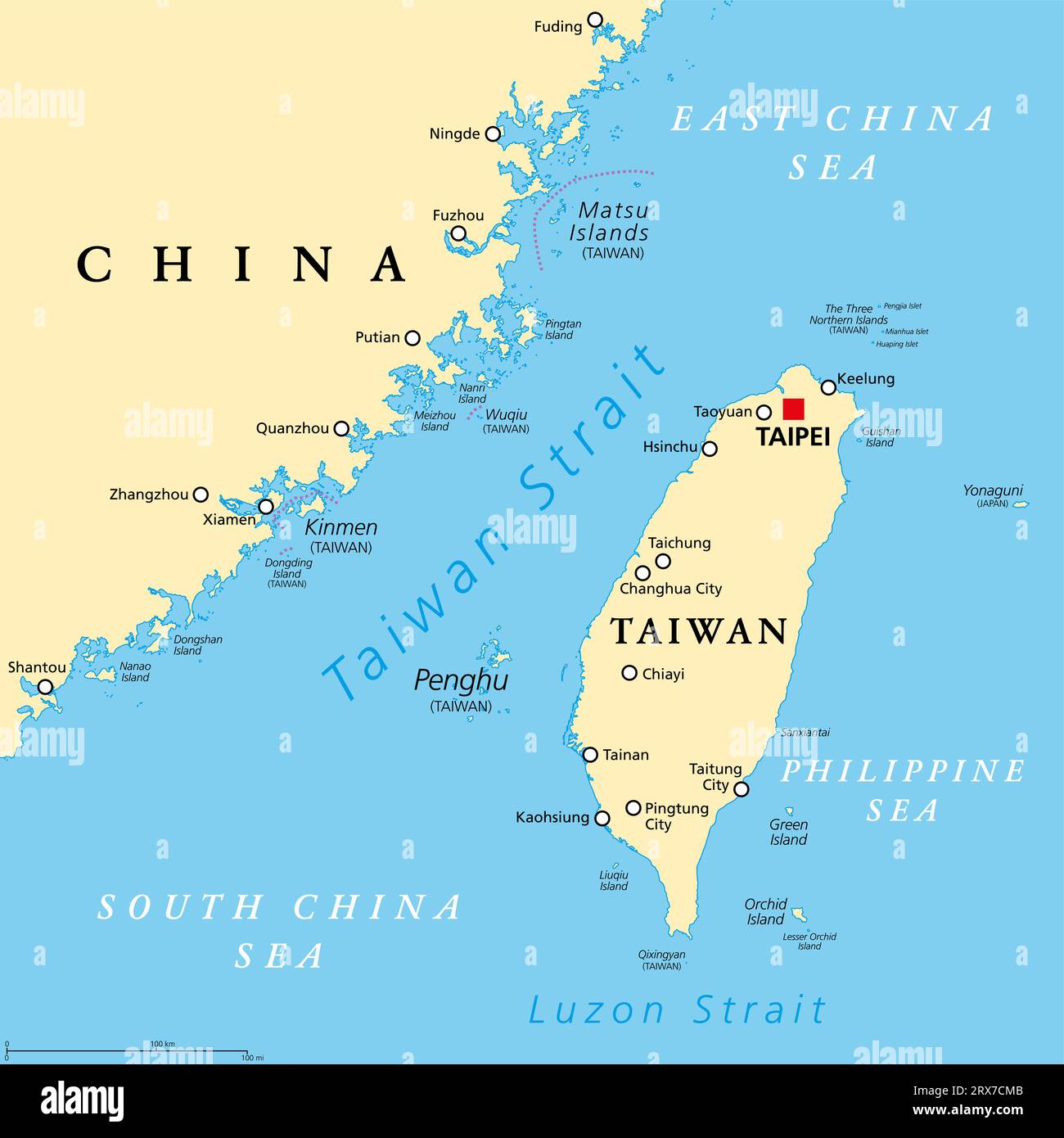
- Military movements in the Taiwan Strait: Both sides are likely to monitor each other’s naval drills closely. The U.S. Has scheduled carrier exercises for June, while China may respond with additional drills near Taiwan.
- Economic signals: Watch for announcements on semiconductor supply chains or green energy investments, which could signal limited cooperation despite broader tensions.
- Iran policy: The U.S. May increase pressure on China to reduce Iranian oil imports, though Beijing has shown no willingness to comply with U.S. Sanctions.
The next official checkpoint will be the G7 summit in Italy on June 14-15, where Trump is expected to discuss China’s role in global stability. Meanwhile, the U.S.-China Economic and Security Review Commission will release its annual report on June 20, which may include assessments of today’s talks.
As the world watches Beijing, the question remains: Can Trump and Xi avoid the Thucydides Trap, or are we witnessing the beginning of a new Cold War? Share your thoughts in the comments below or join the discussion on our social channels.
For real-time updates, follow World Today Journal’s U.S.-China diplomacy coverage or subscribe to our newsletter for expert analysis.
Related reading