
Xiaomi has introduced a new file-sharing feature designed to streamline data transfers between devices, aiming to provide a direct alternative to established wireless sharing protocols like Apple’s AirDrop. This development reflects an ongoing push by major smartphone manufacturers to create seamless, cross-platform ecosystem connectivity for users who regularly move large files, photos, and documents between mobile devices and computers.
The functionality, which facilitates rapid, peer-to-peer data transmission without relying on cloud storage or cellular data, arrives as consumer demand for simplified wireless connectivity continues to rise. While the technology operates on a similar principle to existing proximity-based sharing tools, its integration into the Xiaomi interface represents an effort to maintain user retention by offering built-in solutions that match the convenience of competing operating systems.
How the New File-Sharing Technology Functions
At its core, this feature leverages a combination of Bluetooth and Wi-Fi Direct to establish a high-speed, local connection between devices. By bypassing the need for an active internet connection, the system allows users to transmit high-resolution media and large application files with minimal latency. This approach is consistent with industry standards for decentralized file transfer, ensuring that data remains local and secure during the transit process.
The mechanism is designed to detect nearby compatible devices automatically, minimizing the configuration steps required for the user. Once a recipient is identified, the sender can initiate a transfer with a single tap, a user experience flow that has become the benchmark for mobile file sharing. This focus on “zero-friction” interaction is critical for mass-market adoption, particularly in regions where Xiaomi maintains a significant hardware footprint.
Competitive Context in the Wireless Sharing Market
The introduction of this tool puts Xiaomi in direct competition with the established AirDrop ecosystem and other unified sharing standards such as Quick Share, which was recently unified through the collaboration between Google and Samsung. According to Google’s developer documentation, the standardizing of these protocols is intended to reduce fragmentation across the Android landscape, allowing for interoperability between different manufacturers.

For Xiaomi users, the primary benefit is the elimination of third-party software requirements. By internalizing this capability, the company reduces the reliance on external messaging apps or cloud services, which often impose file size limitations or require active data connections. This strategic move aligns with broader industry trends where hardware manufacturers prioritize the “walled garden” experience, ensuring that all necessary utilities are pre-installed and optimized for their specific device drivers.
Why Device Interoperability Matters
The push for native sharing features is largely driven by the increasing size of mobile media. As smartphone cameras capture higher-resolution video and raw photo formats, the traditional methods of transferring files—such as email attachments or standard cloud uploads—have become increasingly impractical for the average user. Efficient, high-bandwidth local transfers are now considered a baseline requirement for modern consumer electronics.
Furthermore, the ability to share files across a diverse range of hardware—including tablets, smartphones, and laptops—is a vital component of a modern digital workflow. As reported by the International Telecommunication Union (ITU), the global shift toward mobile-first computing necessitates robust, hardware-level solutions for data management. By deploying this feature, Xiaomi is addressing the practical needs of a global user base that frequently operates across multiple connected devices throughout the day.
What Happens Next for Xiaomi Users
Users should look for the new file-sharing icon within their system’s share sheet or quick-access settings menu following the next major software update. As with previous feature rollouts, the availability of this tool may be subject to regional firmware schedules and specific device compatibility requirements. It is recommended that users keep their device software updated to the latest version to ensure they have access to the most recent optimizations and security patches.
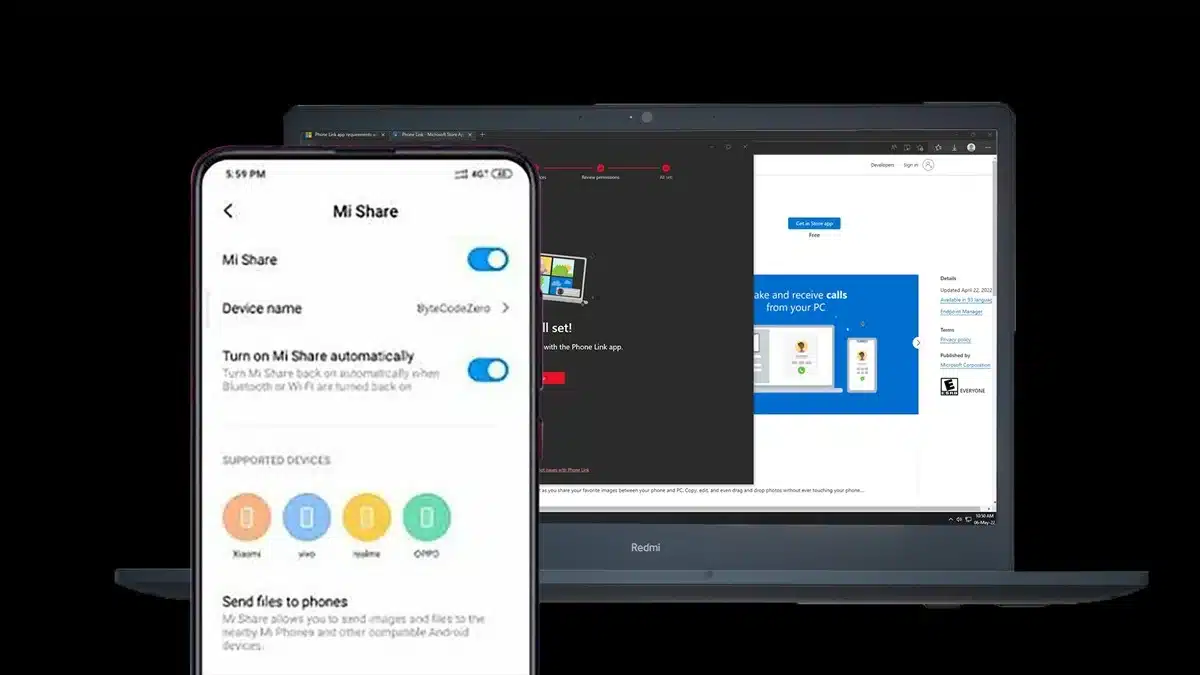
As Xiaomi continues to refine its software ecosystem, the focus will likely remain on enhancing the stability and speed of these wireless connections. Future updates may introduce broader support for non-Xiaomi hardware, though the company has not yet provided a specific roadmap for cross-brand compatibility. We encourage readers to check their device settings under the “Connection & Sharing” menu for official prompts and documentation regarding this new capability. Feel free to share your experiences with the new interface in the comments below.