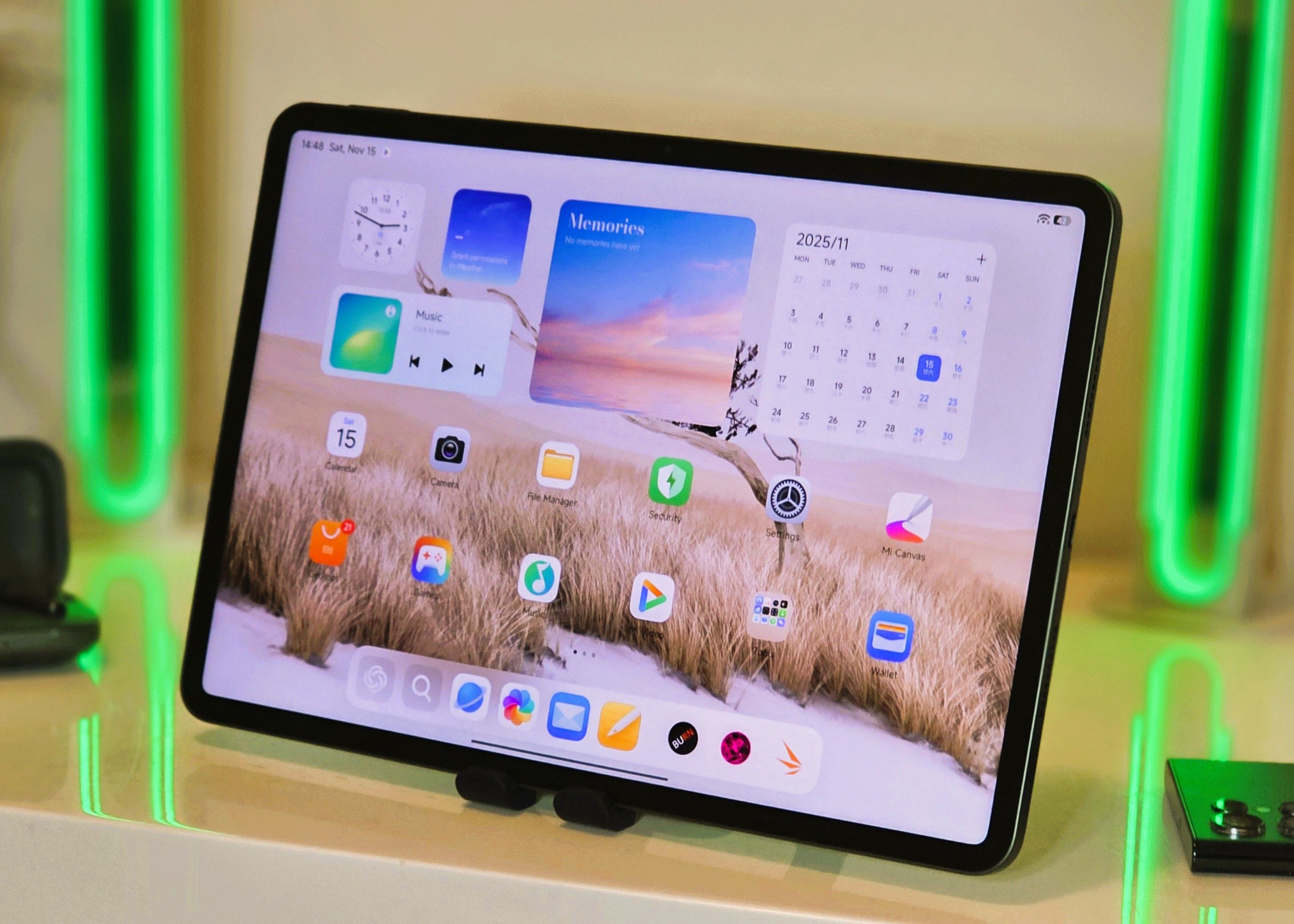
Xiaomi Pad 8 Pro: A Deep Dive into HyperOS 3, Software Updates, adn the Chinese ROM Experience
The xiaomi Pad 8 Pro is making waves in the tablet market, but navigating its software ecosystem – especially the Chinese ROM version – requires a nuanced understanding. This thorough guide delves into the intricacies of the Pad 8 pro’s operating system, HyperOS 3 (based on Android 16), its performance implications, the challenges and workarounds for global users, and what to expect regarding long-term software support.We’ll explore the benefits and drawbacks of the Chinese ROM, bootloader unlocking, and the potential for future updates, providing a detailed resource for prospective buyers and current owners. This article aims to be the definitive resource for understanding the software side of this promising tablet.
Understanding HyperOS 3: Xiaomi’s Latest Tablet OS
Xiaomi’s HyperOS 3, built upon the foundation of Android 16, represents a significant leap forward in tablet user experience. It’s not merely a skin; it’s a complete overhaul designed to optimize performance and enhance multitasking. Key features include improved window management – allowing for more intuitive app arrangement and resizing – and fluid, modern animations.
Did You Know? Xiaomi claims HyperOS 3 boosts app response times by up to 21% and reduces power consumption during gaming by 9% compared to previous iterations.
These performance gains are achieved through a combination of optimized kernel-level adjustments and smart resource allocation. The OS prioritizes frequently used apps, ensuring smoother operation and reduced latency. Beyond the core performance improvements, HyperOS 3 introduces a redesigned user interface with a focus on aesthetics and usability. The rapid settings panel has been streamlined, and the notification shade offers more granular control.
However, the experience differs substantially depending on whether you’re using the global or Chinese ROM. The Chinese ROM, as we’ll discuss, presents unique challenges and considerations.
The Chinese ROM: Benefits, Limitations, and Workarounds
Currently, many Xiaomi Pad 8 Pro units available outside of China ship with the Chinese ROM. This presents a mixed bag of benefits and drawbacks.
Limitations:
* Language Support: Out of the box, the chinese ROM typically only supports english as an additional language pack. Full system language support (like German, French, etc.) is absent.
* Google play Store: The Play Store is not pre-installed.While it can be sideloaded, the process isn’t straightforward for all users.
* Update Uncertainty: Official update promises and timelines are unclear for the Chinese ROM, leaving users in a state of uncertainty regarding future feature additions and security patches.
* Bootloader Unlocking: Recent changes under HyperOS have made bootloader unlocking significantly more challenging outside of China. This impacts the ability to install custom ROMs. NotebookCheck reported on these restrictions, highlighting a potential shift in Xiaomi’s approach to ROM customization.
Benefits:
* Early Access: Users often receive software updates before global ROM users, allowing them to experience new features and improvements first.
* Potential for Customization: While bootloader unlocking is harder, it’s still possible, opening the door for advanced users to customize thier experience.
Workarounds:
* Sideloading the Play Store: Several guides are available online detailing how to sideload the Google Play Store onto the Chinese ROM. However, be cautious and only use reputable sources.
* Waiting for the Global ROM: The most straightforward solution is to wait for the official global ROM release, which will include full language support, the Play Store, and a guaranteed update path. Though, the timing of this release is frequently enough unpredictable.
* Using a Translation App: For basic functionality, a translation app can help navigate the Chinese interface.
pro Tip: Before purchasing a Xiaomi Pad 8 Pro,always confirm whether it’s the Chinese or global ROM version. This will significantly impact your initial setup and long-term software experience.
Software Updates and Long-Term Support
xiaomi’s communication regarding software