
Chinese technology manufacturer Xiaomi has accelerated its integration of generative artificial intelligence into mobile hardware, positioning its latest smartphone offerings as central hubs for an increasingly automated digital ecosystem. Following recent product showcases in Shanghai, the company has emphasized a strategy that seeks to bridge the gap between high-end mobile computing and intelligent, interconnected hardware, including the firm’s expanding interests in electric vehicle technology and home automation.
As the Editor for the World section at World Today Journal, I have followed the rapid evolution of the Chinese tech sector for over a decade. The current shift toward “AI-native” smartphones represents a significant departure from standard hardware upgrades, moving instead toward software-defined user experiences. This transition is not merely about processing speed; it is about how these devices communicate with the broader Internet of Things (IoT) landscape, a sector where companies like Xiaomi are aggressively challenging traditional automotive and tech incumbents.
AI Integration in the Xiaomi Ecosystem
The core of the recent announcements involves the deep integration of Large Language Models (LLMs) directly into the smartphone’s operating system. According to official company disclosures, this architecture allows for real-time data processing, voice-to-text optimization, and generative imaging capabilities that function independently of heavy cloud reliance. By processing more tasks on-device, the company aims to reduce latency and enhance user privacy, two critical barriers to widespread AI adoption.

This development is part of a broader strategy often referred to as “Human x Car x Home.” Xiaomi has publicly detailed its intent to create a unified ecosystem where the smartphone serves as the primary controller for its SU7 electric vehicle and various smart home appliances. By leveraging AI to anticipate user intent—such as adjusting cabin temperatures or lighting based on a user’s habitual patterns—the company is attempting to establish a degree of brand loyalty that transcends the traditional boundaries of mobile hardware.
Market Dynamics and Technological Competition
The competitive landscape in China’s tech hub remains intense. While global observers often focus on the rivalry between established Western tech giants and their Chinese counterparts, the local market in Shanghai and Shenzhen is defined by a rapid cycle of innovation that forces manufacturers to diversify their portfolios. Xiaomi’s pivot into the electric vehicle market, marked by the launch of the SU7, serves as a test case for whether a consumer electronics brand can successfully transition into automotive manufacturing.
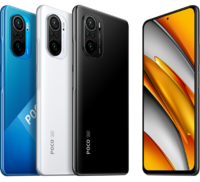
Data from market analysts suggests that the smartphone market has reached a point of saturation, compelling firms to seek growth through hardware diversification. According to Counterpoint Research, global smartphone shipments have faced fluctuations, leading companies to prioritize AI as a key differentiator to drive replacement cycles. For Xiaomi, the AI-powered smartphone is not just a standalone product; it is the essential “remote control” for a proprietary ecosystem that now includes high-value assets like electric cars.
The Role of Generative AI in Hardware
Generative AI in smartphones is moving beyond simple chatbots. Current implementations focus on “multimodal” capabilities, where the phone can interpret images, audio, and text simultaneously to assist with complex tasks. For instance, users can now point their camera at a document or a physical object and receive an immediate, AI-generated summary or a set of actionable instructions. This shift is supported by advancements in mobile-specific chipsets, which have become increasingly adept at handling the computational load required for neural network operations.
The reliance on on-device AI also addresses concerns regarding data sovereignty. As regulatory environments tighten, particularly regarding the cross-border flow of personal data, keeping AI processing localized on the handset provides a distinct advantage. This approach allows manufacturers to comply with evolving data protection standards while still offering the personalized experiences that consumers now expect from modern flagship devices.
What Lies Ahead for the Sector
The next major checkpoint for this technology will be the integration of more sophisticated, autonomous agent capabilities, which are expected to be refined in upcoming firmware updates throughout 2025. Industry analysts will be monitoring the company’s next quarterly earnings report for further details on how the integration of AI-enabled devices is impacting the profit margins of its automotive and IoT divisions. These filings, typically released by the company’s investor relations portal, will provide the next verified data points on the financial viability of this ecosystem-first strategy.
As this sector continues to evolve, the distinction between a “phone company” and a “technology lifestyle company” will likely continue to blur. We invite our readers to share their thoughts on these developments—are you finding that the integration of AI into your daily devices is genuinely improving utility, or is the complexity becoming a barrier? Let us know in the comments below.
Worth a look