
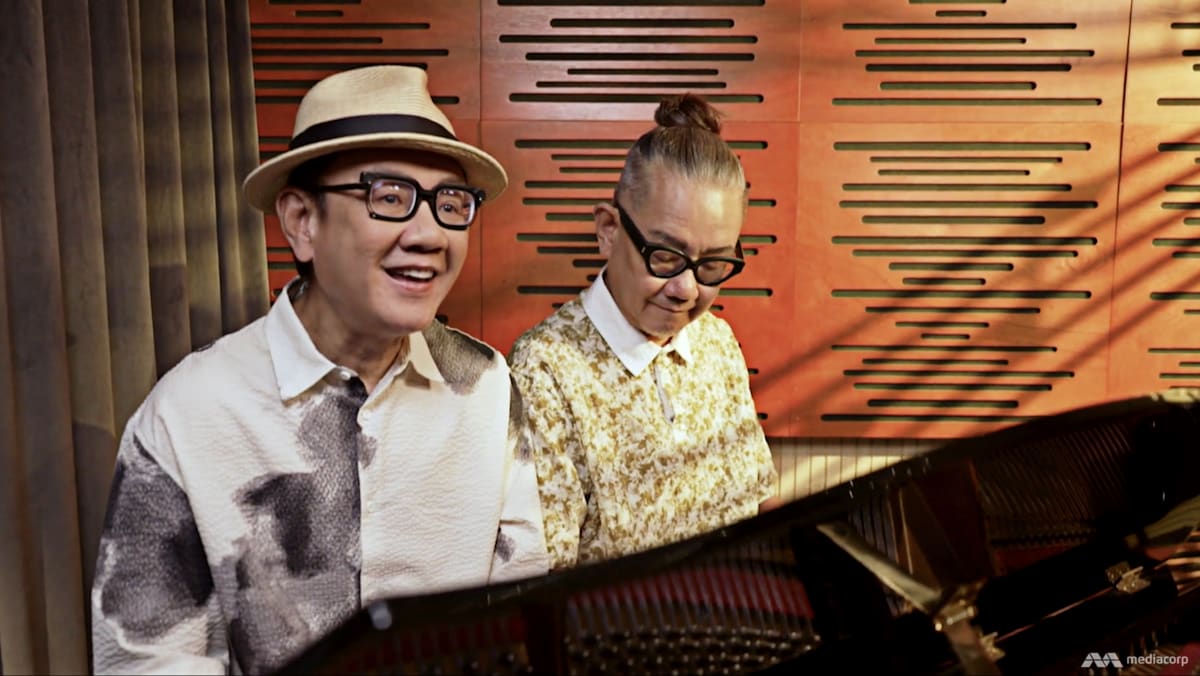
Singapore’s musical landscape is currently revisiting one of its most defining cultural chapters through a new lens. The emergence of xinyao, a contemporary Mandarin vocal genre that took root in the late 1970s and 1980s, is being highlighted in a comprehensive new documentary series titled Tuesday Report: Encounter Under the Stars. The series, presented by Mediacorp and the Singapore Chinese Cultural Centre, seeks to preserve the legacy of a movement that began as a grassroots effort among students and evolved into a national identity.
The term “xinyao” is a contraction of the Chinese phrase 新加坡年轻人自创歌謠, which translates to “songs created by young people in Singapore.” At its core, the genre is a blend of folk and pop, with lyrics that traditionally focus on the universal experiences of youth: friendship, school life, teenage romance and a sense of belonging. By blending archival footage with intimate interviews, the seven-part documentary explores how this campus-born culture transitioned from school hallways to the mainstream music industry.
Among the central figures of this movement are the Lee brothers, Wei Song and Si Song, whose contributions extended beyond local borders to influence Asian pop stars such as Jacky Cheung and Jam Hsiao. Their reflections, alongside other pioneers, provide a roadmap of how Singaporean artists found their voice during a period of significant educational reform and social transition. The movement was heavily influenced by the Taiwanese minyao (folk song) movement of the 1970s and campus folk songs, which sought to establish an authentic native identity.
The cultural significance of the movement was recently underscored by the attendance of Prime Minister Lawrence Wong, who served as the Guest-of-Honour at the documentary’s premiere on March 30. During the event, the Prime Minister encouraged the public to “keep singing xinyao,” signaling the enduring relevance of the genre in shaping Singapore’s modern music identity.
The Architecture of a Movement: From Campus to Mainstream
The birth of xinyao was not an isolated musical event but was closely tied to the academic environment of the early 1980s. Students from polytechnics, junior colleges, and secondary schools began composing their own songs, drawing inspiration from the Taiwanese folk genre. This creative surge coincided with major education reforms led by then-Deputy Prime Minister and Education Minister Goh Keng Swee, which aimed to align Chinese education with the national syllabus Xinyao Wikipedia.
Pioneers such as Eric Moo and Billy Koh were instrumental in this early phase, forming bands with school friends and creating classics that would resonate for decades. Another towering figure in the movement, Liang Wern Fook, is recognized for his lyrical storytelling. His works, including “Singapore Pie” and “The Sparrow with a Bamboo Twig,” are cited as pivotal in capturing the evolving social landscape of the city-state.
The movement served as a critical incubator for talent. The foundations laid by early xinyao artists helped discover and mentor a generation of singers who would later achieve massive success in the broader Chinese pop music scene, including JJ Lin, A-Do, and Kit Chan. This pipeline demonstrates that xinyao was more than a nostalgic trend; it was a professional springboard for Singaporean musicians to enter the global Mandopop market.
Resilience and Recovery: The Journey of Lee Si Song
While the documentary celebrates the collective history of the movement, the personal journeys of its icons continue to unfold. Music producer and songwriter Lee Si Song, a key figure in the development of xinyao, has recently shared his struggle and recovery following a severe medical emergency. In September 2025, Lee suffered a brain haemorrhage while in Beijing, China The Straits Times.
Lee, now 59, returned to Singapore at the end of 2025 to undergo recuperation. His recovery process has been characterized by a disciplined approach to rehabilitation, most notably through cycling. To combat the decline of leg strength and address numbness in his left hand and leg, Lee has adopted a regimen of cycling 22km twice a week on his doctor’s advice.
Despite these health challenges, Lee’s commitment to his craft remains steadfast. He made a rare public appearance in late March for the launch of Tuesday Report: Encounter Under The Stars and has since returned to the recording studio. Having been away from production for nearly six months, Lee acknowledged that the adjustment back to work has been demanding, yet he continues to produce new music.
Legacy and the Future of Singaporean Mandopop
The enduring appeal of xinyao lies in its ability to capture the “nostalgic tone” of a generation. By documenting the transition from grassroots songwriting to a cultural phenomenon, Encounter Under the Stars highlights how the movement connected local artists with audiences across Asia. The role of television dramas and talent shows was also crucial in amplifying these songs, pushing them beyond the confines of school campuses and into the wider public consciousness.
The synergy between the Lee brothers—Wei Song and Si Song—exemplifies the professionalization of the genre. Their ability to write hits for both local talents and international stars bridged the gap between a student-led folk movement and the commercial demands of the Asian pop industry.
| Artist/Figure | Role/Contribution | Notable Works/Impact |
|---|---|---|
| Liang Wern Fook | Songwriter/Influential Voice | “Singapore Pie”, “The Sparrow with a Bamboo Twig” |
| Lee Wei Song & Lee Si Song | Songwriters/Producers | Wrote for local talent and Asian stars (e.g., Jacky Cheung) |
| Eric Moo & Billy Koh | Pioneers/Musicians | Formed early bands in the 1980s; created enduring classics |
| Wong Hong Mok & Dawn Gan | Pioneers | Helped lay the foundations of the genre |
As Singapore continues to evolve, the preservation of xinyao serves as a reminder of the power of youth-led creativity. The movement not only provided a soundtrack for the 1980s but also established a framework for songwriting that continues to influence contemporary Mandopop in the region.
With Lee Si Song’s return to the studio and the premiere of the new documentary series, the conversation around xinyao is entering a new phase of reflection and renewal. The movement’s journey from the influence of Taiwanese minyao to a distinct Singaporean identity remains a cornerstone of the nation’s cultural history.
For those following the recovery of Lee Si Song or the release of the documentary series, further updates regarding the production of new music and public screenings are expected to be shared through official cultural channels in Singapore.
We invite our readers to share their thoughts on the impact of xinyao and its influence on modern music in the comments section below.