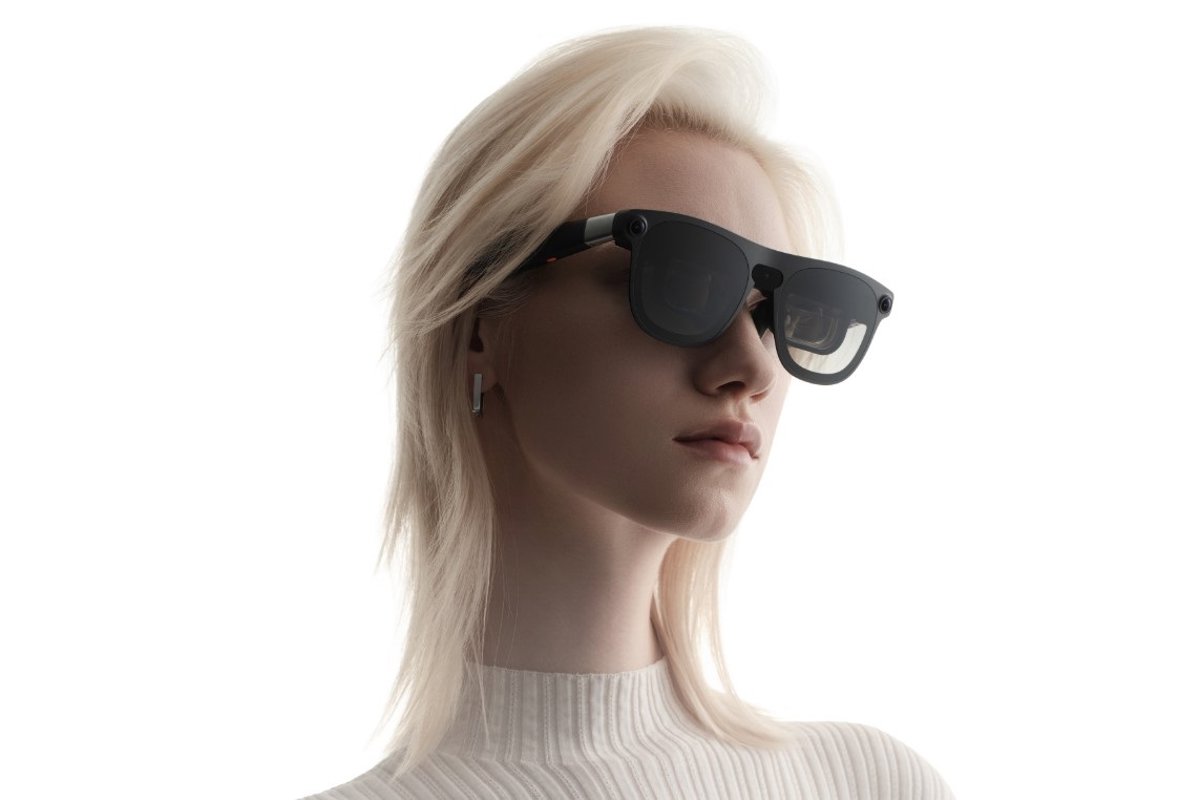
Xreal has officially unveiled the Xreal Aura, a new set of spatial computing glasses designed to integrate Android XR capabilities with advanced artificial intelligence features. The device, which utilizes the Qualcomm Snapdragon Reality Elite platform, represents a strategic move by the company to expand its footprint in the augmented reality hardware market by incorporating direct support for Google’s Gemini AI models. According to the company’s official product announcement, the headset is engineered to provide a standalone computing experience, reducing the reliance on tethered smartphones that characterized earlier iterations of the brand’s eyewear.
The introduction of the Xreal Aura comes as the spatial computing sector experiences a shift toward standalone portability and onboard processing. By leveraging the Snapdragon Reality Elite chipset, Xreal aims to address common industry pain points such as latency and limited field-of-view, which have historically hindered the adoption of lightweight AR wearables. The integration of Gemini suggests a push toward context-aware computing, where the device can process visual data in real-time to assist users with tasks ranging from navigation to object identification, as detailed in the Qualcomm Snapdragon XR2 platform technical specifications.
Engineering for Spatial Computing
The Xreal Aura hardware architecture is centered on the Snapdragon Reality Elite platform, which is designed to handle high-resolution rendering and complex spatial mapping simultaneously. Unlike previous models that required a connection to a host device like a smartphone or a PC to render graphics, the Aura functions as a self-contained unit. This transition to a standalone system is a significant departure for the company, which previously focused on “Air” branded glasses that functioned primarily as secondary displays.
The use of Android XR, the operating system optimized for extended reality environments, allows the device to run a variety of applications natively. This software foundation is critical for the device’s interoperability within the broader Android ecosystem, enabling users to access familiar interfaces while interacting with three-dimensional digital overlays. According to Google’s official Android XR developer documentation, the platform is built to support seamless multitasking within spatial environments, allowing users to pin multiple windows in their physical space.
Integration of Gemini AI
A central feature of the Xreal Aura is the deep integration of Gemini, Google’s multimodal AI model. This implementation allows the glasses to interpret the user’s environment, providing information or performing actions based on visual inputs. For example, the system can potentially identify objects or text within the user’s field of view and provide relevant context or translations in real-time.
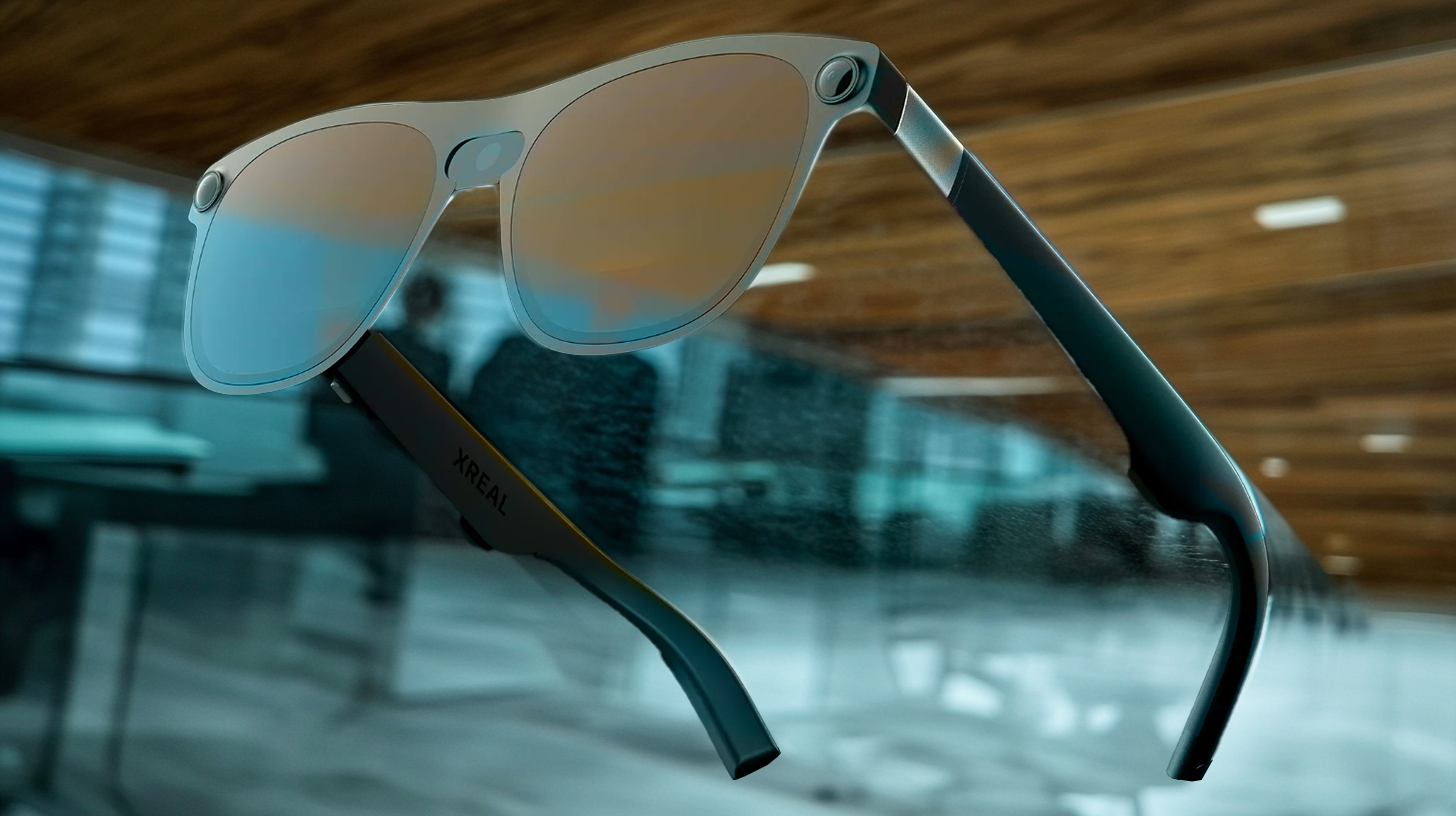
This capability is facilitated by the processing power of the Snapdragon platform, which supports on-device AI tasks. By keeping data processing localized on the headset, Xreal aims to improve privacy and reduce the lag associated with cloud-based AI requests. While the company has not yet released the full set of privacy controls, the reliance on local processing is a standard industry approach to managing sensitive visual data captured by wearable cameras, as noted in recent technology industry analysis regarding AI hardware privacy.
Market Context and Industry Competition
The launch of the Aura places Xreal in direct competition with other major players in the wearable technology space, including Meta’s Ray-Ban smart glasses and Apple’s Vision Pro. While the Vision Pro focuses on a high-end, immersive computing experience, Xreal appears to be targeting a segment that prioritizes a balance between form factor and functionality. The company’s history of producing glasses that resemble traditional eyewear is a key differentiator in a market currently dominated by bulkier headsets.
The success of the Aura will likely depend on the breadth of the third-party application ecosystem. With the move to Android XR, Xreal is attempting to lower the barrier for developers to port existing mobile applications to the spatial environment. This strategy mirrors the efforts of other hardware manufacturers seeking to establish a “killer app” for their wearable platforms. The industry is currently observing how these devices handle the transition from simple screen-mirroring to true spatial computing, a trend discussed in recent reports on the competitive landscape of AI-integrated wearables.
Looking Ahead
The next major milestone for the Xreal Aura will be the release of developer kits and the subsequent rollout of consumer-facing software updates. Interested users and developers can monitor the official Xreal portal for announcements regarding regional availability and pricing, which are expected to be finalized in the coming months. As the company prepares for a wider launch, the focus will remain on refining the gesture-based controls and improving the battery efficiency of the standalone unit.

Industry observers expect further technical details, including exact weight specifications and battery life ratings, to be disclosed during upcoming industry trade shows. For those following the evolution of augmented reality, the Aura represents a tangible step toward integrating AI directly into the human sensory experience. Readers are encouraged to share their thoughts on the potential for standalone spatial computing in the comments section below.