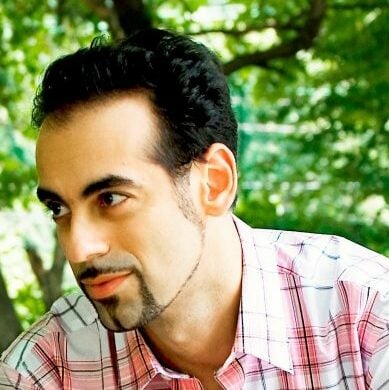
The latest installment of the PalCast podcast features a conversation with Arab American poet and essayist Yahia Lababidi, focusing on the intersection of language, literature, and the moral implications of describing the ongoing conflict in Gaza. Lababidi, whose work frequently explores themes of justice and witness, discussed his forthcoming book, If You Cannot Say Genocide, and the necessity of confronting terminology during times of mass violence.
The discussion highlights the role of poetry as a form of “spiritual journalism,” a concept Lababidi uses to describe literature that transcends basic reporting to address the shared humanity of those affected by conflict. By referencing the influence of poets such as Mahmoud Darwish and Refaat Alareer, the episode examines how creative expression can make the reality of suffering immediate and personal for the reader, ultimately appealing to a wider collective conscience.
The Politics of Naming Violence
A central theme of the episode is the linguistic challenge of addressing the humanitarian crisis in Gaza. Lababidi explains that the title of his upcoming work was derived from a poem he authored over two years ago. The title serves as a provocation, challenging both readers and the media to confront the reality of genocide rather than employing euphemisms or avoiding the terminology entirely. According to the discussion, this refusal to use precise language constitutes a form of public silence that obscures the gravity of the events on the ground.

Lababidi also addressed the pressures within the American cultural and publishing sectors, noting that his previous collection, Palestine Wail, was dropped by its original publisher due to concerns regarding potential backlash. This account underscores the broader conversation regarding censorship and the shifting landscape of discourse surrounding Palestinian rights in the United States.
Poetry as a Tool for Moral Clarity
Throughout the episode, the conversation shifts toward the evolution of public opinion in the United States. Lababidi suggests that while the political climate remains contentious, there is a measurable growth in public support for Palestinian rights. He advocates for the importance of extending empathy to individuals whose perspectives on the conflict are currently evolving, arguing that increased understanding often functions as a precursor to greater moral clarity.
The episode serves as an exploration of how literature can bridge the gap between abstract geopolitical reporting and the lived experience of those in conflict zones. By documenting events through essays and poetry, Lababidi argues that writers can challenge the prevailing narratives and engage with the work of historians and thinkers to provide a more comprehensive account of the violence. This, he suggests, is a necessary step toward achieving lasting political change, even when such change is measured against the reality of immense human cost.
Accessing the Discussion
The full episode of the podcast is currently available for listeners on major digital platforms, including Apple Podcasts and Spotify. The discussion is framed as a timely contribution to the ongoing debate over language and responsibility in the public sphere.

Listeners are encouraged to engage with the full episode and consider the perspectives shared regarding the power of language in the face of crisis.