South Korea’s “Yellow Envelope Law” Sparks Labor Tensions and Potential for Widespread Disruption
Seoul, South Korea – The recent implementation of South Korea’s revised Labor Union and Labor Relations Adjustment Act, often referred to as the “Yellow Envelope Law,” is triggering a wave of anticipated labor negotiations and raising concerns about potential industrial unrest. While labor groups are celebrating the new legislation as a victory for worker rights, businesses are bracing for increased legal challenges and the possibility of large-scale strikes, including a planned general strike in July. The core of the issue revolves around extending liability for labor rights violations to include not only direct employers but also their subcontractors and parent companies, a move intended to address systemic exploitation within complex supply chains.
The law, passed by the National Assembly in August 2025 and taking effect on March 10, 2026, aims to strengthen the bargaining power of workers, particularly those employed by subcontractors. It seeks to address a long-standing imbalance where parent companies often avoid direct responsibility for labor conditions within their supply chains. However, the implementation has been met with resistance from some businesses, who fear increased financial burdens and legal complexities. The potential for disputes over limited financial resources is a key concern, as both parent companies and subcontractors may be required to negotiate with labor unions simultaneously.
What is the “Yellow Envelope Law”?
The “Yellow Envelope Law” – formally the amendment to Articles 2 and 3 of the Labor Union and Labor Relations Adjustment Act – expands the definition of who can be considered an employer for the purposes of collective bargaining. As reported by Yonhap News Agency, the law effectively allows unions to demand negotiations not only from direct employers but also from companies that exert control over subcontractors. This is particularly relevant in South Korea’s heavily industrialized economy, where complex subcontracting relationships are common. The name originates from the yellow envelopes delivered to workers during a 2023 protest, symbolizing demands for improved labor conditions.
The legislation was initially met with broad support from labor advocates who argued it was a necessary step to protect vulnerable workers. However, concerns arose following the release of implementing regulations and interpretive guidelines by the government, which some labor groups claim weaken the law’s intended impact by emphasizing principles of “single window” representation and “structural control.” These groups fear the regulations will allow companies to limit their responsibility and restrict workers’ bargaining rights.
Labor Unions Prepare for Large-Scale Negotiations
The Federation of Korean Trade Unions (FKTU) and the Korean Confederation of Trade Unions (KCTU) are preparing to demand negotiations from parent companies across various industries. The KCTU, in particular, has signaled its intention to pursue aggressive tactics, including a planned general strike in July if companies refuse to engage in great-faith bargaining. According to the Korea Economic Daily, the KCTU is mobilizing its members to pressure major corporations to address the concerns of subcontracted workers.
Labor groups argue that the new law will foster a more equitable relationship between parent companies and their subcontractors, leading to improved wages, working conditions, and job security for vulnerable workers. They believe that by holding parent companies accountable, the law will incentivize them to prioritize ethical labor practices throughout their supply chains. The unions are emphasizing the concept of “joint interests” between workers at both the parent company and subcontractor levels, advocating for collaborative bargaining to maximize negotiating leverage.
Business Concerns and Potential for Legal Disputes
Businesses, however, are expressing significant concerns about the potential for increased legal liabilities and disruptions to production. They argue that the law could lead to a surge in labor disputes, particularly over the allocation of limited financial resources. Companies fear being forced to negotiate with multiple unions representing workers at different levels of the supply chain, creating a complex and potentially unmanageable situation.
The potential for “no-no conflicts” – disputes between different unions representing workers in the same industry – is also a major concern. Businesses worry that these conflicts could disrupt production lines and undermine industrial stability. The government has acknowledged these concerns and announced a three-month “intensive inspection period” to monitor the implementation of the law and provide mediation and consulting services to facilitate constructive dialogue between employers and unions.
Government Response and Mediation Efforts
The South Korean government is attempting to navigate the delicate balance between protecting worker rights and maintaining economic stability. Following the law’s enactment, the Ministry of Employment and Labor announced plans to implement a three-month “intensive inspection period” to monitor the law’s impact and provide support to businesses and unions. This includes offering “mutual consultation” services aimed at fostering constructive negotiations and preventing disputes. As noted in a Naver blog post summarizing the law, the government is also establishing a task force to gather feedback from both labor and management to refine the implementation process.
However, the government’s efforts to mediate the situation are facing skepticism from some labor groups, who accuse it of siding with businesses and undermining the law’s original intent. They argue that the government’s interpretive guidelines weaken the law’s provisions and allow companies to avoid their responsibilities. The effectiveness of the government’s mediation efforts remains to be seen, as the situation continues to evolve.
Impact on Key Industries
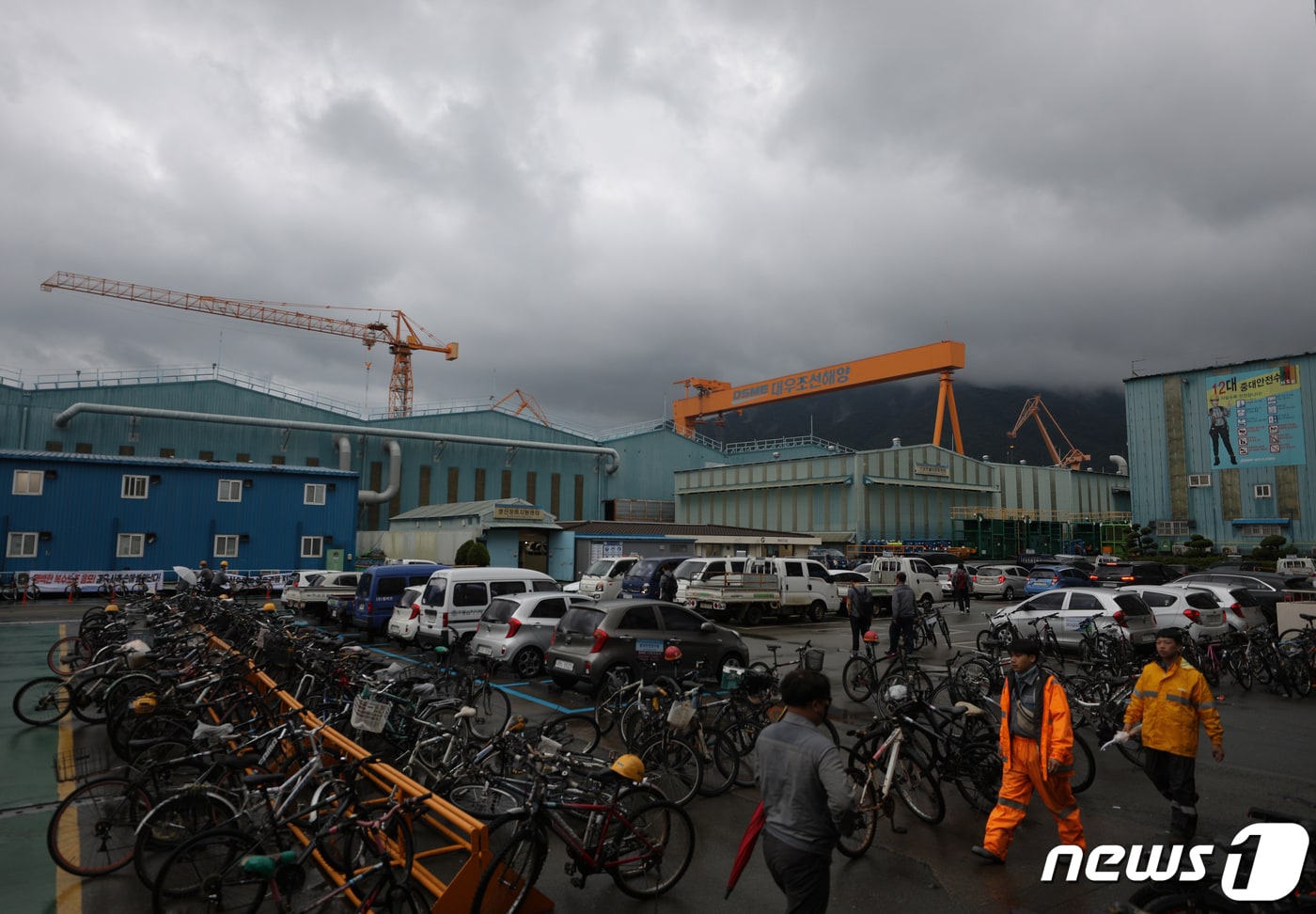
Several key industries in South Korea are expected to be particularly affected by the “Yellow Envelope Law,” including automotive, shipbuilding, construction, and logistics. These industries rely heavily on complex subcontracting arrangements, making them vulnerable to increased labor disputes. The automotive industry, for example, is facing pressure from unions to address the wage gap between direct employees and those working for subcontractors. Similarly, the construction industry is grappling with concerns about the safety and working conditions of subcontracted workers.
The potential for disruptions in these industries could have significant implications for the South Korean economy, which is heavily reliant on exports. A prolonged period of industrial unrest could damage the country’s reputation as a reliable manufacturing hub and deter foreign investment. The government is acutely aware of these risks and is working to mitigate them through mediation and regulatory oversight.
Looking Ahead
The implementation of the “Yellow Envelope Law” marks a significant turning point in South Korea’s labor relations landscape. The coming months will be crucial in determining whether the law can achieve its intended goal of protecting vulnerable workers without causing undue disruption to the economy. The success of the law will depend on the willingness of both labor and management to engage in constructive dialogue and find mutually acceptable solutions.
The next key checkpoint will be the KCTU’s planned general strike in July, which could escalate tensions and further complicate the situation. The government’s mediation efforts will be closely watched, as will the outcome of any legal challenges to the law. The long-term impact of the “Yellow Envelope Law” on South Korea’s labor market and economic competitiveness remains to be seen.
Do you think the “Yellow Envelope Law” will ultimately benefit workers or harm businesses? Share your thoughts in the comments below.