Yellowstone National Park: A Comprehensive guide to America’s First National Park
Have you ever wondered what lies beneath the breathtaking landscapes of Yellowstone? More than just stunning scenery, Yellowstone National Park is a geological wonderland and a haven for diverse wildlife.But how well do you truly know this iconic American treasure? This guide will delve deep into the park’s history, geology, wildlife, and practical tips for planning your visit.
Yellowstone, established in 1872, holds the distinction of being the world’s first national park. Spanning a massive 2.2 million acres (890,000 hectares) across Wyoming, montana, and Idaho, it’s a landscape sculpted by volcanic activity, earthquakes, and glacial forces. This unique habitat fosters an astonishing biodiversity, making it a must-see destination for nature enthusiasts.
A Geological Masterpiece
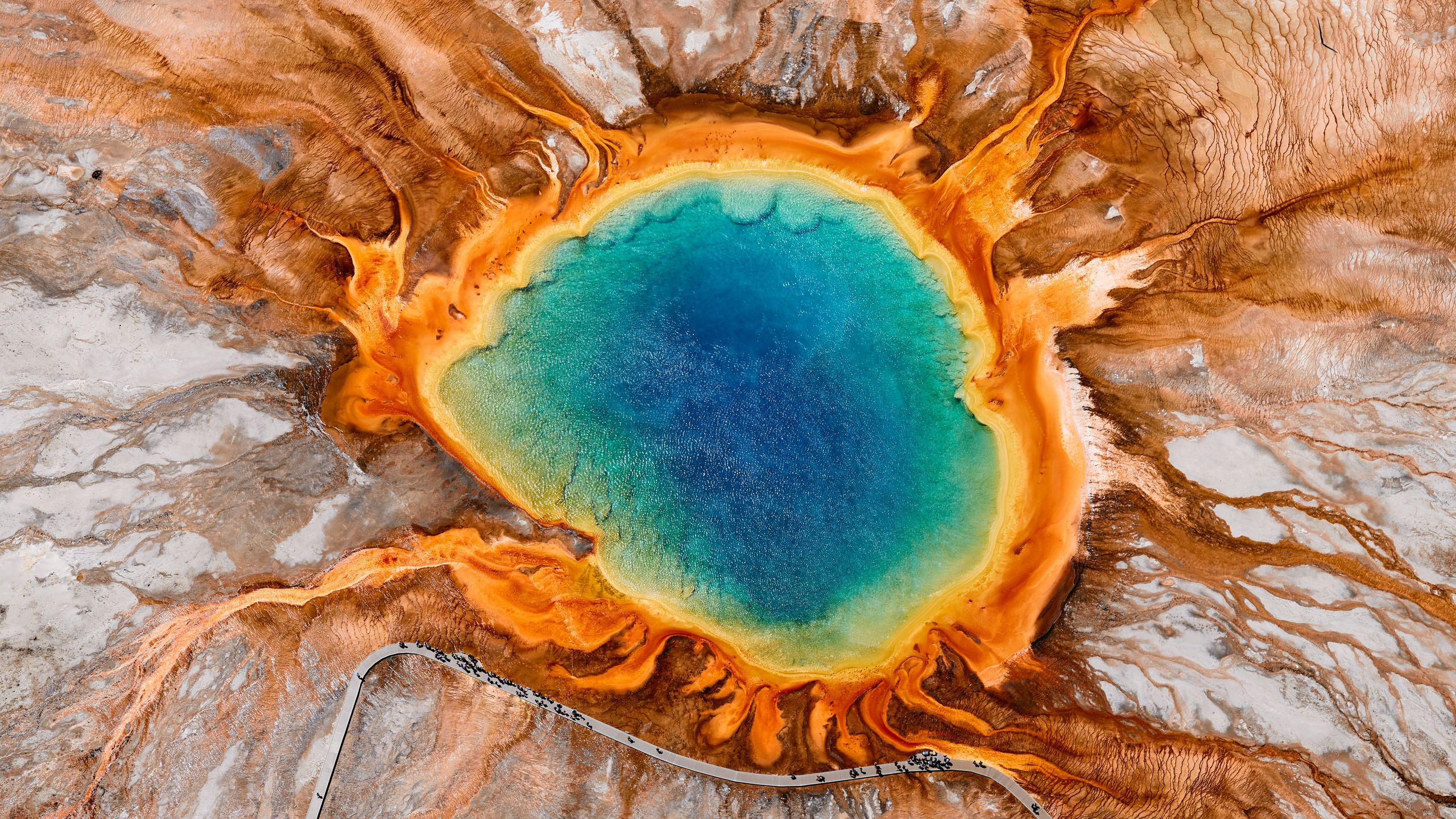
The park sits atop a massive supervolcano. while the thought might be alarming, it’s this geothermal activity that creates Yellowstone’s most famous features: geysers, hot springs, mud pots, and fumaroles.Old Faithful, perhaps the most recognizable geyser globally, erupts predictably, captivating visitors with its powerful displays.
But Yellowstone’s geothermal features aren’t just visually spectacular. They’re also a window into the earth’s inner workings. The heat from the magma below warms groundwater, which then rises to the surface, creating these incredible phenomena.Recent research from the USGS (United States Geological Survey) indicates that the Yellowstone caldera is experiencing increased uplift, but scientists emphasize this is a normal part of the volcanic system’s cycle and doesn’t necessarily signal an imminent eruption. https://www.usgs.gov/volcanoes/yellowstone
Wildlife Encounters in Yellowstone
yellowstone is a wildlife paradise. It boasts the largest concentration of mammals in the lower 48 states. You might spot bison roaming freely, elk grazing in meadows, or even a glimpse of a grizzly bear or wolf.
Here’s a breakdown of some key species you might encounter:
* Bison: The iconic symbol of Yellowstone, with a population exceeding 5,000.
* Elk: Commonly seen in valleys and meadows,especially during the fall rutting season.
* Grizzly Bears & Black Bears: Yellowstone is one of the best places to observe bears in their natural habitat. remember to practice bear safety!
* Wolves: Reintroduced in 1995, wolves play a crucial role in the park’s ecosystem.
* Pronghorn: North America’s fastest land mammal,often seen in open grasslands.
Did you know? A 2023 study by the National Park Service revealed a slight increase in the gray wolf population within yellowstone, indicating successful conservation efforts. https://www.nps.gov/yell/learn/nature/wildlife/wolves.htm
Planning Your Yellowstone Adventure: Practical Tips
Ready to experience the magic of Yellowstone? Here’s a step-by-step guide to help you plan your trip:
- Best Time to Visit: Summer (june-August) offers the warmest weather and access to all areas of the park, but it’s also the most crowded. Spring (April-May) and Fall (September-October) provide milder temperatures and fewer visitors. Winter (November-March) offers a unique, snow-covered landscape, but many roads are closed.
- Accomodation: Options range from lodging within the park (reservations highly recommended, frequently enough booked a year in advance!) to hotels and cabins in nearby towns like West Yellowstone, Gardiner, and Cody.
- transportation: Driving is the most convenient way to explore the park. Though, consider utilizing the park’s shuttle system during peak season to avoid traffic congestion.
4.



![$250K Drug Scandal: Corporate Greed & Medical Complicity – [Podcast]](https://i0.wp.com/kevinmd.com/wp-content/uploads/The-Podcast-by-KevinMD-WideScreen-3000-px-4-scaled.jpg?resize=330%2C220&ssl=1 "$250K Drug Scandal: Corporate Greed & Medical Complicity – [Podcast]")