Yemen’s Fracturing alliances: A Deep Dive into the Escalating Conflict
Have you been following the complex situation in Yemen? The ongoing conflict, already a humanitarian disaster, is taking a dangerous turn as former allies Saudi Arabia and the United Arab Emirates find themselves backing opposing sides.Recent events, including deadly airstrikes and maneuvering for control of key territories, signal a significant escalation with perhaps far-reaching consequences. Let’s break down what’s happening, why it matters, and what the future might hold.
the Latest Developments: Airstrikes and Shifting Control
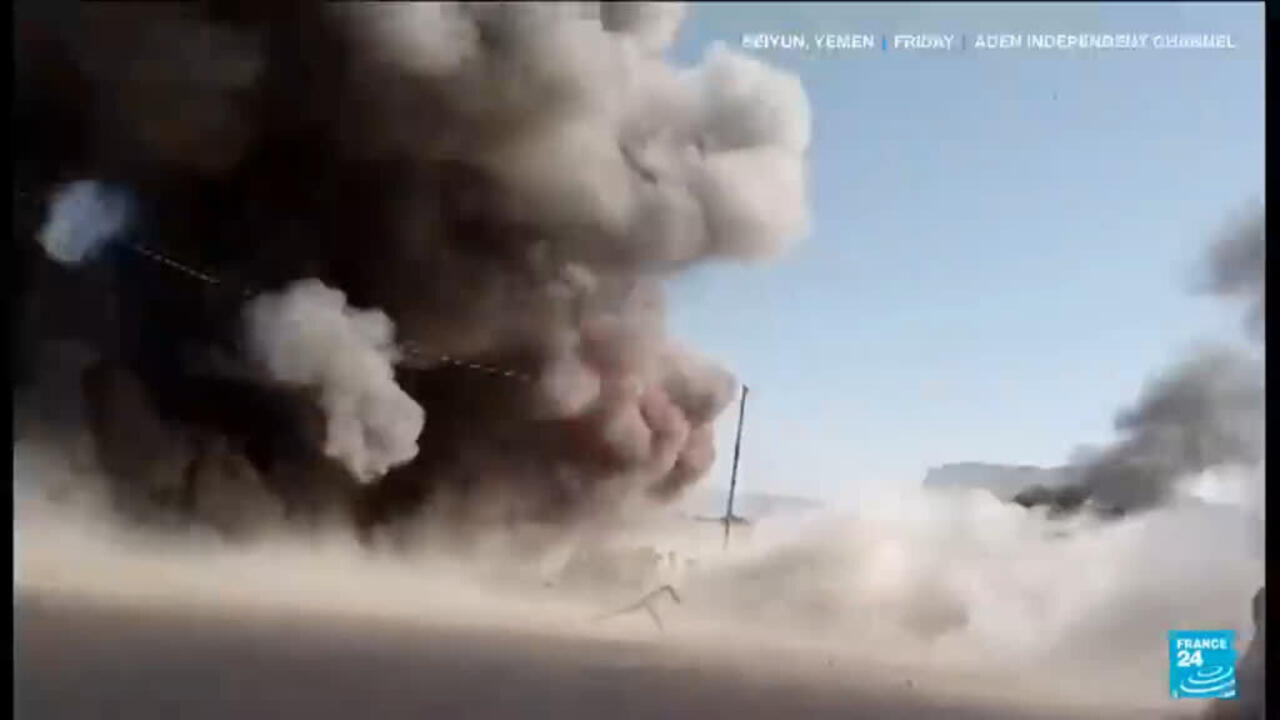
Recent reports indicate at least seven people were killed in Saudi airstrikes on Friday, according to separatist forces in Yemen. These strikes underscore the growing tensions between Saudi Arabia and the UAE, who were once united in their efforts against the Houthi rebels. Simultaneously, the Saudi-backed governor of Hadramout province is attempting to regain control of military bases previously held by Emirati-backed separatists.
This isn’t a simple power grab. It represents a fundamental shift in the dynamics of the yemeni conflict, moving beyond a single battle against a common enemy to a struggle for regional dominance.
Understanding the Roots of the Conflict
To grasp the current situation, it’s crucial to understand the historical context. Yemen’s conflict began in 2014 when houthi rebels, a Zaidi Shia Muslim group, seized control of the capital, Sanaa, and ousted the internationally recognized government.
* Saudi Arabia’s Intervention: In 2015, Saudi arabia, along with a coalition of allies including the UAE, launched a military intervention to restore the government and counter Iranian influence.
* The Southern Transitional Council (STC): The UAE has primarily supported the Southern Transitional Council (STC), a separatist group seeking independence for South Yemen. This support has often been at odds with the Saudi-backed government.
* A Fragile Alliance Fractures: While initially cooperating against the Houthis, Saudi Arabia and the UAE have increasingly divergent interests in Yemen, leading to the current rift. The UAE’s focus on the STC and its strategic goals in the south clash with Saudi arabia’s desire for a unified yemen under its influence.
Why This Escalation Matters: Regional Implications
The fracturing of the Saudi-UAE alliance has significant implications for the region. It complicates efforts to find a peaceful resolution to the Yemeni conflict and risks further destabilizing an already volatile area.
Consider these key points:
* Prolonged Conflict: The division between Saudi Arabia and the UAE could prolong the war, exacerbating the humanitarian crisis. Yemen is already facing widespread famine, disease, and displacement.
* Increased Proxy Warfare: The conflict could become a more direct proxy war between Saudi Arabia and the UAE, with Yemen serving as the battleground.
* Iranian Influence: A weakened and divided anti-houthi coalition could allow Iran to expand its influence in Yemen, further escalating regional tensions. A recent report by the U.S. Institute of Peace highlights the increasing sophistication of Houthi weaponry, potentially supplied by Iran.
* Threat to Global Shipping: Yemen’s strategic location along vital shipping lanes in the Red Sea and the Gulf of aden means the conflict poses a threat to global trade.
The Humanitarian Crisis: A Dire Situation
The conflict in Yemen has created one of the world’s worst humanitarian crises.According to the United Nations, over 21.6 million people – more than 70% of the population - require humanitarian assistance.
* Famine: Millions are on the brink of famine, with food insecurity reaching alarming levels.
* Disease: The collapse of the healthcare system has led to outbreaks of preventable diseases like cholera and measles.
* Displacement: Millions have been displaced from their homes, seeking refuge in overcrowded camps with limited access to basic necessities.
* Children at Risk: The conflict has had a devastating impact on children, with many suffering from malnutrition, trauma, and recruitment into armed groups
Related reading