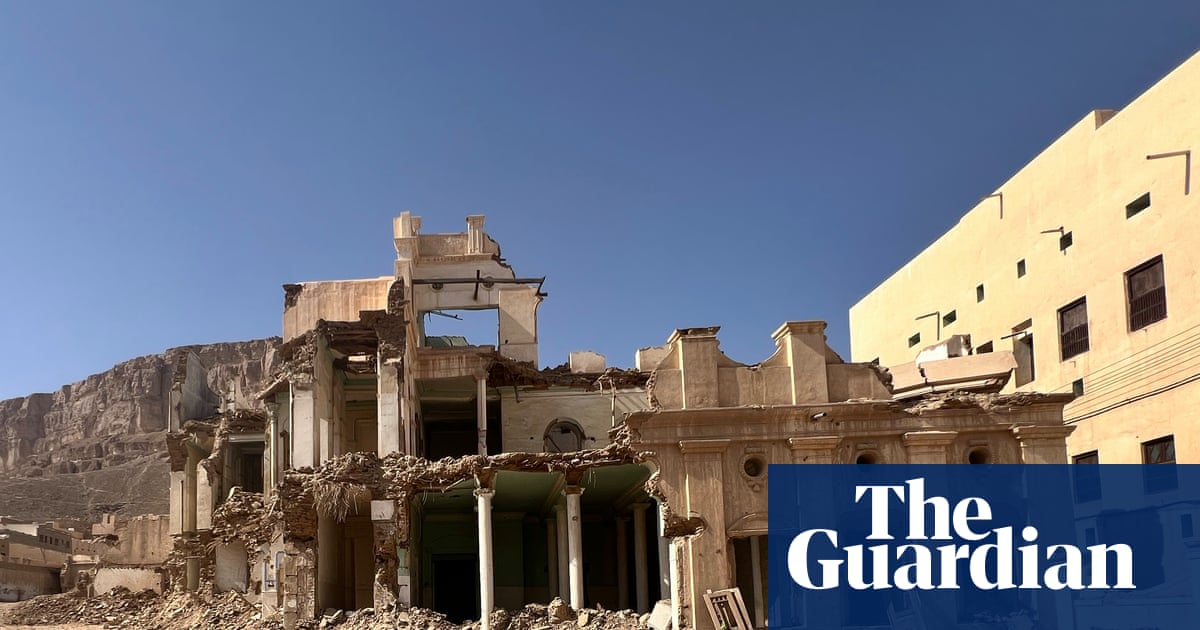
yemen’s Mud-Brick Palaces Crumble: A Race Against Time to Save Tarim‘s History
Tarim, a historic city in Yemen, is facing a silent crisis. It’s iconic mud-brick palaces, once symbols of wealth and cultural heritage, are now crumbling, threatened by neglect, erosion, and the lingering effects of conflict. These architectural marvels aren’t just stunning buildings; they represent a vital link to Yemen’s past, and their loss would be devastating.
A City’s Legacy at Risk
For generations, Tarim flourished as a center of trade and Islamic scholarship. This prosperity manifested in the construction of magnificent palaces, built by families like the al-Kaf. Today, many of these structures stand abandoned, slowly dissolving back into the earth.
Consider Hamtut Palace, a once-vibrant residence now facing imminent collapse. Erosion is visibly damaging its walls, and portions of the surrounding land have already been sold.This fragmentation raises serious concerns about the palace’s future. If these palaces fall, a crucial part of Tarim’s history will be lost forever, as they are the city’s last remaining living monuments.
The Weight of Neglect and Conflict
The situation isn’t unique to Hamtut Palace. Al-Quba palace, another landmark, bears the scars of years of neglect and exposure. Originally repurposed as a hotel, it now features crumbling walls patched with a rusted wire fence. Its swimming pool, once a symbol of luxury, is cracked and empty.
War has undoubtedly accelerated the decay. Though, even before the recent conflicts, these palaces were vulnerable due to a lack of consistent maintenance and preservation efforts.You can see the impact of time and the elements etched into every wall.
Challenges to Preservation
The Yemeni government recognizes the severity of the situation. Ahmed Bahamalah, a representative of the General Authority for Antiquities and Museums, confirms that most of Tarim’s mud-brick mansions are in a “dilapidated state.” Unfortunately,resources are severely limited.
Here’s a breakdown of the key challenges:
* Financial Constraints: Government departments lack the funds to purchase, lease, or restore these properties.
* Limited Capacity: the primary focus is on documenting the deterioration and advocating for preservation.
* Lack of Expertise: Specialized skills in mud-brick restoration are scarce.
Bahamalah’s office is working to report the condition of the palaces to higher authorities and seek assistance from potential donors. They are striving to preserve what remains, but the task is immense.
What’s Being lost?
These palaces aren’t simply architectural wonders. They embody a unique building tradition, showcasing intricate designs, arched verandas, ornate columns, and symmetrical facades.They represent a way of life, a testament to the ingenuity and artistry of past generations.
Moreover, the palaces served as centers of community life, hosting gatherings, celebrations, and intellectual discourse. Their loss would sever a vital connection to Yemen’s cultural identity.
A Call to Action
The fate of Tarim’s palaces hangs in the balance. Without immediate intervention, these irreplaceable landmarks will vanish, taking with them a meaningful piece of Yemen’s history. It’s a race against time, and the world must recognize the urgency of the situation.
You might be wondering what can be done. Increased international awareness, financial support, and the transfer of specialized restoration skills are crucial. protecting these palaces isn’t just about preserving buildings; it’s about safeguarding a cultural legacy for future generations. It’s about ensuring that the stories embedded within these mud-brick walls continue to be told.
Worth a look