
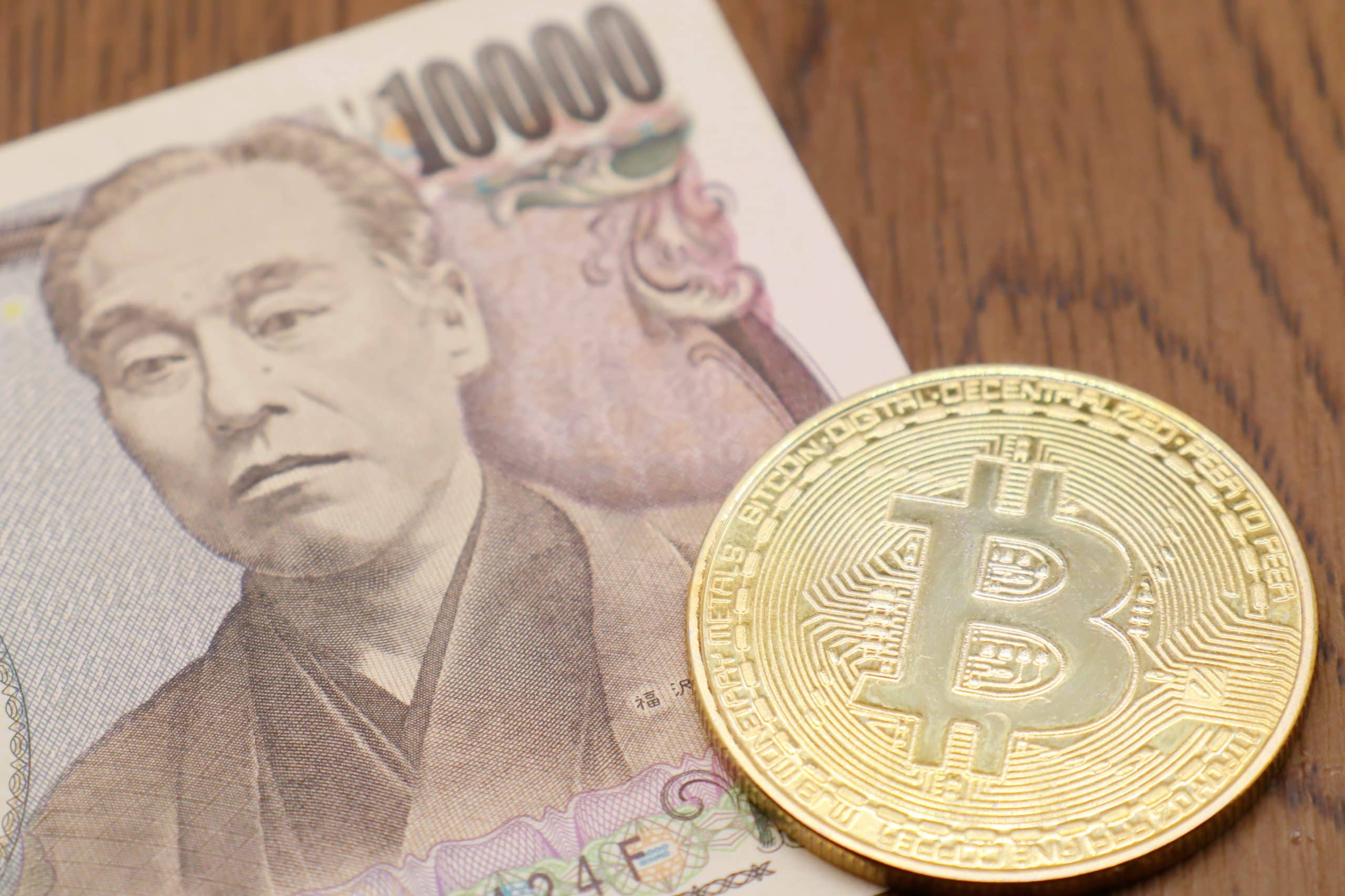
Bitcoin has fallen below $60,000 for the first time since May 2023 as the Japanese yen weakens to its lowest level in 40 years, amplifying the US dollar’s dominance and tightening liquidity conditions across global markets. The yen’s sharp decline—down nearly 15% against the dollar since January—has triggered a ripple effect through financial markets, with analysts warning that the trend could further destabilize cryptocurrency valuations already under pressure from macroeconomic uncertainty.
The Bank of Japan (BoJ) has maintained its ultra-loose monetary policy for years, keeping interest rates near zero to support economic growth. However, as other central banks, including the US Federal Reserve, have raised rates aggressively to combat inflation, the yen has come under sustained selling pressure. The currency’s depreciation has not only increased the cost of imports for Japan but also strengthened the dollar, making dollar-denominated assets—including Bitcoin—more expensive for investors holding weaker currencies.
According to data from CoinDesk, Bitcoin’s price dropped to $59,800 on Monday, a decline of over 5% in the past week. Meanwhile, the yen hit a record low of 160.13 per dollar on Monday, according to Bloomberg, a level not seen since 1985. The combination of these factors has created a challenging environment for risk assets, including Bitcoin, which has struggled to regain momentum after a volatile 2023.
Why Is the Yen’s Decline Affecting Bitcoin?
Bitcoin’s price is highly sensitive to broader market trends, particularly those involving the US dollar. As the yen weakens, the dollar strengthens, making Bitcoin—priced in dollars—a more expensive asset for investors using other currencies. This effect is compounded by Japan’s status as a major player in the global economy, with its financial markets deeply interconnected with those of the US and Europe.

“The yen’s collapse is a classic case of currency mismatch risk,” said IMF economists in their October 2023 World Economic Outlook. “When a major currency like the yen depreciates sharply, it can lead to capital outflows, higher import costs, and increased volatility in asset markets—all of which can spill over into cryptocurrencies.”
Additionally, Japan’s retail investors—long known for their appetite for Bitcoin—may face higher costs to acquire the asset if the yen continues to weaken. While some traders see the yen’s decline as an opportunity to buy Bitcoin at lower prices, others warn that the trend could exacerbate existing market jitters, particularly as the Fed prepares to assess further rate hikes in the coming months.
What Happens Next for Bitcoin and the Yen?
The immediate outlook for Bitcoin remains uncertain, with traders closely watching both the yen’s trajectory and the Fed’s next policy moves. The BoJ is expected to face increasing pressure to adjust its monetary policy, though officials have repeatedly signaled caution about tightening too quickly. Meanwhile, the Fed’s December meeting will be critical, as any hint of additional rate hikes could further strengthen the dollar and weigh on Bitcoin’s price.

Analysts at Reuters suggest that if the yen continues to weaken, we could see a broader shift in global liquidity conditions, potentially benefiting dollar-pegged stablecoins like Tether (USDT) and USD Coin (USDC) at the expense of Bitcoin and other cryptocurrencies. “The stronger dollar environment is not necessarily bullish for Bitcoin,” said Goldman Sachs analysts in a recent report. “Historically, Bitcoin has performed poorly during periods of dollar strength, particularly when paired with rising Treasury yields.”
How Are Traders Reacting?
On social media, traders are divided. Some see the yen’s decline as an opportunity to accumulate Bitcoin at lower prices, particularly if they believe the asset will outperform in the long term. Others are adopting a more cautious stance, reducing exposure to riskier assets amid the uncertainty.
The yen is at 40-year lows, Bitcoin is under $60K, and the Fed is still hawkish. This is a perfect storm for crypto traders. Some are buying the dip, others are waiting for clearer signals. What’s your move? 🚀
— Crypto Analyst (@CryptoAnalyst) November 1, 2023
In institutional circles, hedge funds and asset managers are reportedly increasing their allocation to dollar-denominated assets, including Bitcoin futures, as a hedge against further yen depreciation. However, retail investors in Japan may face higher transaction costs, potentially reducing liquidity in the market.
Key Takeaways
- Bitcoin’s price has fallen below $60,000 amid the yen’s historic decline and dollar strength.
- The yen hit a 40-year low of 160.13 per dollar, exacerbating import costs and capital outflows in Japan.
- Analysts warn of heightened volatility for Bitcoin as the Fed’s policy stance and global liquidity conditions remain uncertain.
- Traders are divided, with some buying the dip while others adopt a wait-and-see approach.
- The BoJ faces pressure to adjust monetary policy, though officials remain cautious about tightening too quickly.
What to Watch Next
The next major catalysts for Bitcoin and the yen will include:

- The Federal Reserve’s December policy meeting, where any signals on future rate hikes could impact the dollar and Bitcoin.
- The Bank of Japan’s next monetary policy review, expected in early 2024, which could influence the yen’s trajectory.
- Global risk sentiment, particularly in response to geopolitical developments and economic data releases.
For now, traders and investors are advised to monitor these developments closely, as the interplay between currency markets and cryptocurrencies continues to shape the outlook for digital assets.
What are your thoughts on Bitcoin’s recent decline and the yen’s impact? Share your insights in the comments below.