
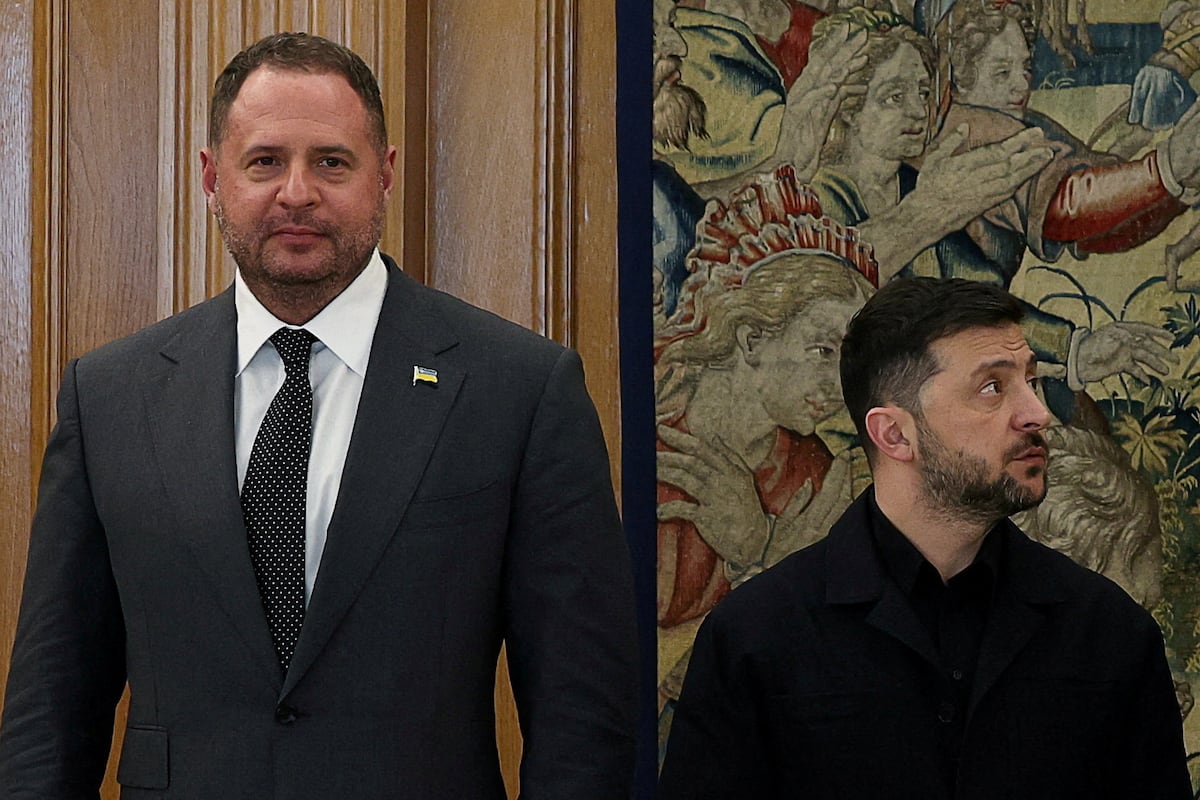
The Shadow Power in Ukraine: examining Andriy Yermak‘s Influence and the Challenges Facing Zelenskyy
The war in Ukraine has brought global attention to President Volodymyr Zelenskyy, but behind the scenes, a complex power dynamic has been unfolding. Understanding the role of Andriy Yermak, Zelenskyy’s chief of staff, is crucial to grasping the challenges facing Ukraine’s leadership and its ability to navigate this ongoing conflict.
Recent observations suggest a concentration of power within Zelenskyy’s inner circle, raising questions about governance and decision-making during a time of national crisis. Let’s delve into the factors contributing to this situation and what it means for Ukraine’s future.
A Centralized Leadership Style
Zelenskyy’s leadership style appears to be deeply personal and centralized. He seems to favor a management approach where decisions flow directly from the top, rather than through collaborative processes. This isn’t necessarily a flaw, but it creates a unique environment where the influence of key advisors, like Yermak, becomes exceptionally potent.
Several sources indicate that yermak’s assertive demeanor has, at times, caused friction with international partners. One anonymous U.S. general, during a visit to Kyiv, described Yermak as ”someone bothered by his arrogance.” This sentiment reportedly mirrors concerns previously expressed by President Biden regarding Zelenskyy’s approach.
Yermak’s Ascendancy and Growing Criticism
Andriy Yermak has become a pivotal figure in Ukrainian politics, often described as the “president in the shadow.” He effectively controls access to Zelenskyy and plays a importent role in shaping policy. However, this influence hasn’t been without its detractors.
* Growing discontent within Zelenskyy’s own party, Servitor of the People, has led to calls for Yermak’s removal.
* These calls stem from concerns that Yermak’s actions are negatively impacting Zelenskyy’s public approval ratings and the overall standing of the ruling coalition.
* Deputies reportedly voiced these concerns directly to Zelenskyy, who has so far resisted calls to replace his chief of staff.
This resistance highlights a key aspect of Zelenskyy’s leadership: a strong loyalty to those he trusts, even in the face of mounting criticism. It also suggests a reluctance to share power or acknowledge potential shortcomings within his inner circle.
The Erosion of Institutional Influence
The current situation has led to a noticeable weakening of conventional governmental structures. Both the Ukrainian government and the Rada (parliament) have limited influence during the war. This isn’t solely due to the expanded powers granted to the president under martial law.
Instead,it reflects a broader trend toward centralized decision-making. As a former ally of Zelenskyy and the first president of the Rada, Dmitro Razumkov explained, the president “cannot work in team, believes in only one type of management, the personal.”
A Past in Film,A Present in Power
Interestingly,Yermak’s background includes a career in the film industry,where he worked as a producer of crime films. He’s known for repeating the phrase “Everything has its time,” a line taken directly from one of his productions.
This seemingly innocuous detail offers a glimpse into his mindset and perhaps a sense of calculated patience. Ultimately,Yermak’s legacy will be defined by his role in leading Ukraine’s resistance alongside Zelenskyy during this historic invasion.
What This Means for You and Ukraine’s Future
The concentration of power around Zelenskyy and yermak presents both opportunities and risks. While decisive leadership is essential during wartime, a lack of checks and balances can lead to missteps and stifle innovation.
You,as an observer of global events,should understand that:
* Ukraine’s success hinges on its ability to maintain international support.
* Addressing internal concerns about governance and transparency is crucial for long-term stability.
* A more inclusive and collaborative approach to leadership could strengthen Ukraine’s resilience and ensure a more sustainable path forward.
The situation remains fluid, and





![Healthcare Worker Burnout: Support Systems & Preventing Collapse [Podcast]](https://i0.wp.com/kevinmd.com/wp-content/uploads/Design-4-scaled.jpg?resize=150%2C100&ssl=1 "Healthcare Worker Burnout: Support Systems & Preventing Collapse [Podcast]")