
Dilan Yeşilgöz-Zegerius, leader of the Dutch People’s Party for Freedom and Democracy (VVD), has called for an end to what she described as the obstruction of economic growth by opposition parties and labor unions. Speaking at the party’s recent national congress, the VVD leader argued that current tax burdens are already stifling productivity and that further fiscal demands from the political left are counterproductive to the Netherlands’ economic stability.
The remarks come as the Dutch coalition government, which includes the VVD, continues to navigate complex budgetary negotiations. Recent proposals from opposition figures, including GroenLinks-PvdA leader Jesse Klaver, have suggested increasing taxes on capital and corporations to fund public services. According to reports from the NRC and other national outlets, Yeşilgöz explicitly rejected these calls, characterizing them as a barrier to the competitive environment the VVD seeks to maintain.
Economic Policy and the VVD Stance on Taxation
At the center of the debate is the tension between fiscal consolidation and the push for higher public spending. Yeşilgöz argued that the Netherlands’ existing tax structure is sufficiently high and that increasing it further would risk capital flight and reduced investment. The VVD’s platform, as outlined in their recent policy documents, focuses on reducing the regulatory burden on small-to-medium enterprises and maintaining a predictable fiscal framework.
Labor unions have expressed concern over these priorities, arguing that tax relief for businesses does not necessarily translate into wage growth for workers. The Dutch central bank, De Nederlandsche Bank (DNB), has previously noted in its annual economic assessment that balancing wage growth with inflation remains a critical challenge for the Dutch economy. While the VVD insists that economic growth is the primary driver of prosperity, critics contend that the current strategy risks widening wealth inequality.
Coalition Dynamics and Legislative Cooperation
The VVD’s rhetoric at the congress also touched upon the practicalities of governance within the current multi-party cabinet. Ruben Brekelmans, a prominent VVD parliamentarian, recently indicated that the party is keeping its options open regarding legislative cooperation, including with parties that may have previously been considered outside the coalition’s traditional orbit. According to coverage by BNR Nieuwsradio, Brekelmans stated he would not draw “red lines” prematurely, suggesting a pragmatic approach to passing legislation in a fragmented parliament.
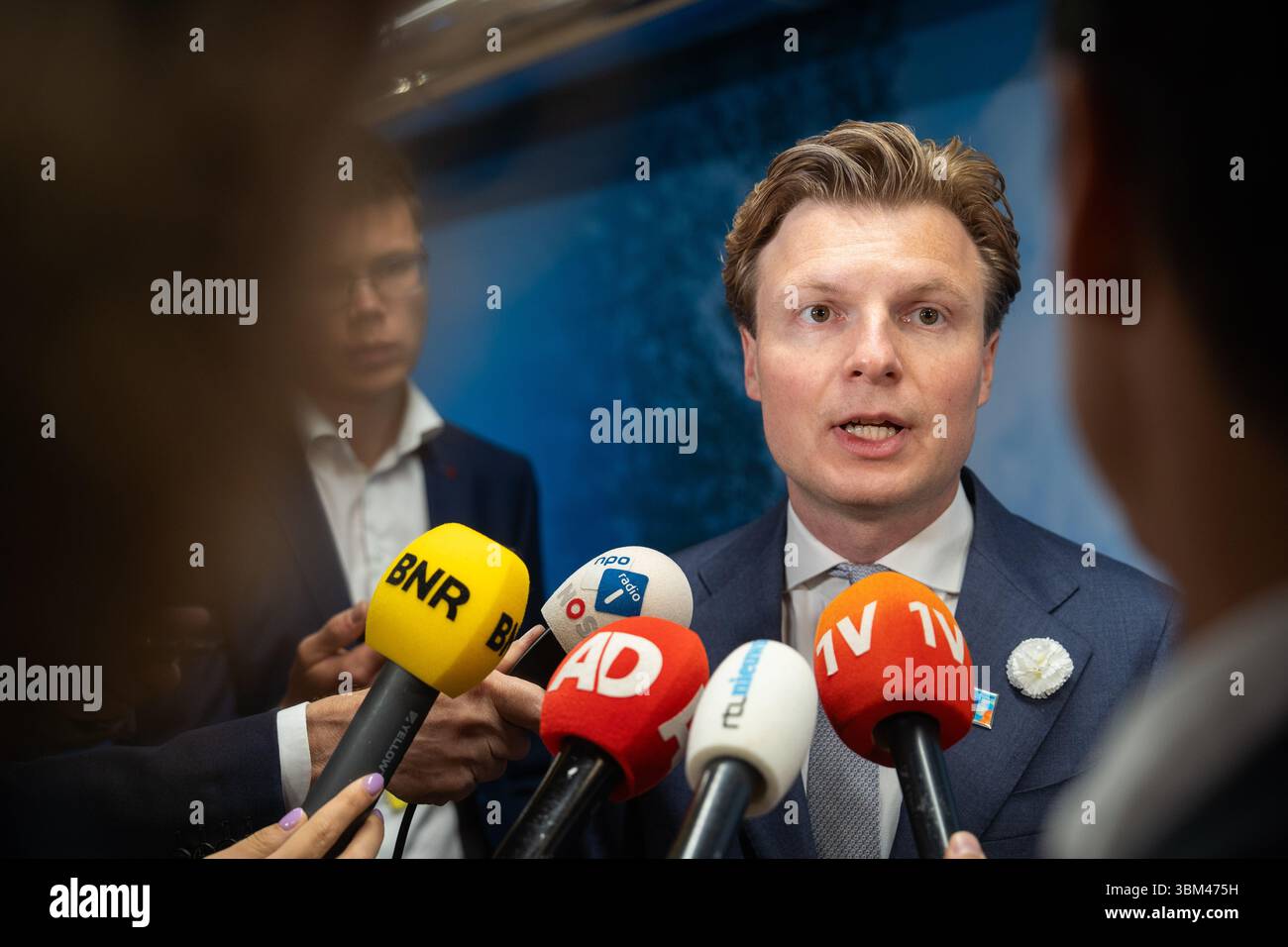
This flexibility is essential for the government, which holds a majority but faces internal disagreements on issues ranging from nitrogen policy to migration. The ability to build ad-hoc coalitions for specific bills is becoming a standard feature of the current parliamentary term. Observers point out that while the VVD remains committed to its core economic principles, the necessity of compromise with coalition partners and potential outside support remains a defining feature of the current legislative environment.
The Role of Labor Unions in Economic Reform
Yeşilgöz’s critique of the labor unions focuses on their role in collective bargaining and their influence on national economic policy. By urging them to “stop working against” the economy, the VVD leader is signaling a more confrontational stance toward the traditional “polder model,” where consensus between government, employers, and employees is the norm. According to the Statistics Netherlands (CBS), labor market tightness remains a significant factor in the Dutch economy, with employers reporting chronic difficulty in filling vacancies.
Unions, however, maintain that their demands for higher wages are a direct response to the cost-of-living increases observed over the past two years. The ongoing dialogue between the cabinet and social partners is expected to continue throughout the autumn as the government prepares its annual budget for the upcoming fiscal year. These discussions are typically held within the framework of the Social and Economic Council (SER), which serves as the primary advisory body to the government on social and economic policy.
What Happens Next
The government is currently preparing for the presentation of the Miljoenennota, the national budget proposal, which is constitutionally mandated to be presented to the States General on the third Tuesday of September, a day known as Prinsjesdag. This document will detail the government’s fiscal trajectory and is expected to be the primary flashpoint for the debates Yeşilgöz alluded to at the congress. Citizens and market analysts are monitoring these developments to assess the impact on corporate tax rates, energy subsidies, and labor market regulations.

As the debate continues, the VVD is expected to maintain its focus on tax stability and economic competitiveness. Interested parties can track official government publications and legislative updates via the House of Representatives (Tweede Kamer) website. We encourage our readers to participate in the conversation by sharing their perspectives on the future of the Dutch economy in the comments section below.
Keep reading