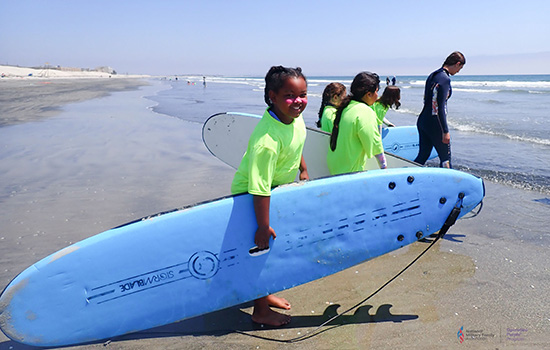
Persistent water contamination along the Southern California coastline continues to disrupt recreational activities, forcing local officials to issue frequent health advisories and beach closures. Recent water quality monitoring indicates that elevated levels of bacteria—often stemming from urban runoff and sewage infrastructure challenges—frequently exceed state safety standards, limiting public access to popular swimming areas in San Diego County.
According to the San Diego County Department of Environmental Health and Quality, water contact is discouraged when bacterial indicators reach levels that pose a risk of gastrointestinal illness, skin rashes, or ear infections. These advisories are particularly impactful for organized youth programs and summer camps, which rely on consistent access to the ocean for their programming.
Understanding Coastal Water Quality Standards
The health of beachgoers is managed through a rigorous testing framework dictated by state law. Under the California Health and Safety Code, local health officers are required to monitor ocean water for specific indicator bacteria, including total coliform, fecal coliform, and enterococcus. When these levels exceed the thresholds established by the California State Water Resources Control Board, the water is deemed unsafe for primary contact, such as swimming or surfing.
The primary driver of these elevated bacterial counts is often “urban drool”—the flow of polluted water from city streets into the ocean during rain events or even dry weather. This runoff carries animal waste, trash, and chemical pollutants from streets directly into the surf zone. In areas like Mission Beach and the Tijuana River Valley, the situation is compounded by cross-border sewage flows, a long-standing infrastructure issue that has prompted federal intervention and ongoing litigation under the Clean Water Act.
Impact on Youth and Community Programming
For organizations operating coastal camps, fluctuating water quality creates significant logistical hurdles. When beach closures are announced, programs must pivot quickly to alternative activities that do not involve water contact. This shift disrupts the intended curriculum of ocean-focused camps and highlights the broader environmental challenges facing coastal communities.
The U.S. Environmental Protection Agency emphasizes that public notification systems are essential for protecting human health. Local authorities utilize a combination of visual signage at beach entry points and digital updates to ensure that the public, including camp organizers and families, remains informed about current safety status. Despite these efforts, the frequency of closures remains a focal point for environmental advocates who argue that more aggressive infrastructure investment is required to restore long-term access to the coastline.
Infrastructure and Future Mitigation Efforts
Addressing the root causes of contamination involves complex multi-agency cooperation. The International Boundary and Water Commission is currently overseeing projects aimed at mitigating sewage flows from the Tijuana River, which frequently impact the water quality of South San Diego beaches. These infrastructure improvements are part of a broader, multi-year plan to modernize water treatment facilities and reduce the volume of untreated waste entering the Pacific Ocean.
While large-scale engineering solutions are underway, the immediate reality for beachgoers is a need for vigilance. Before heading to the shore, residents and visitors are encouraged to consult the San Diego County Beach Water Quality interactive map, which provides real-time data on current closures and advisories. These tools serve as the primary resource for determining whether a beach is safe for swimming or if water contact should be avoided entirely.
As state and federal agencies continue to monitor the water, the next significant update regarding the status of regional infrastructure projects is expected following the upcoming quarterly report from the Border Water Infrastructure Program. For those planning coastal visits, checking these official channels remains the most effective way to ensure a safe experience at the beach.
Have you been affected by beach closures in your area? Share your experiences or questions regarding local water quality in the comments below.
Related reading