
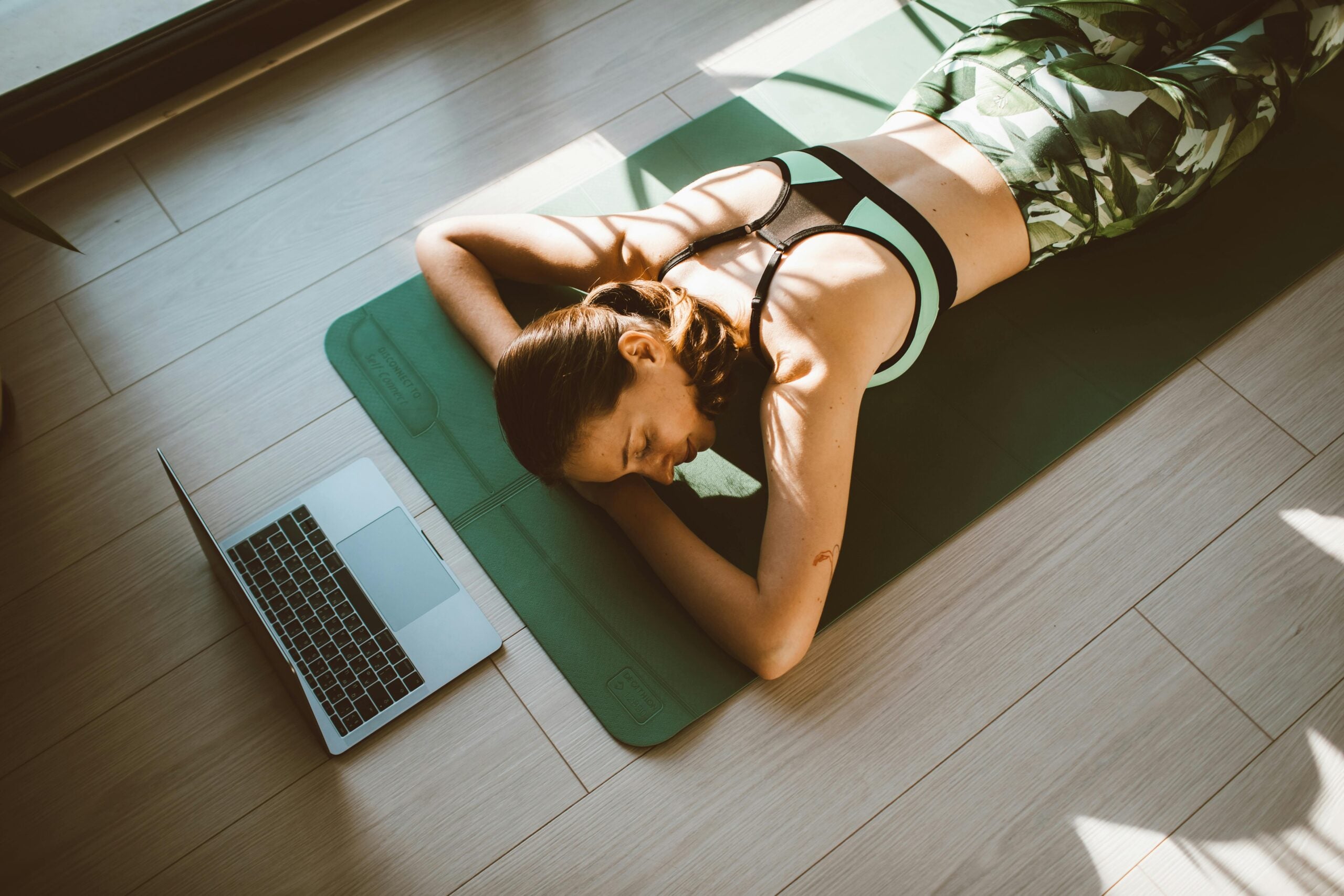
Cultivating Inner Peace: A Restorative Yoga Sequence for Stress Relief
Feeling overwhelmed? You’re not alone. Modern life frequently enough demands more than we can comfortably give, leading to stress and a disconnect from our inner selves. Restorative yoga offers a powerful antidote, gently guiding you toward relaxation and rejuvenation. This sequence focuses on supported poses and mindful breathing techniques to calm your nervous system and restore balance.
Preparing Your Space
Before you begin,create a peaceful environment. Dim the lights, play soft music, and gather props like bolsters, blankets, and blocks. These tools will help you fully support your body, allowing for deep relaxation. Remember, the goal isn’t to achieve a perfect pose, but to find comfort and ease.
The Sequence
Begin by kneeling on the mat with your knees hip-width apart. Gently lower your torso forward, resting your abdomen between your thighs. Extend your arms forward or alongside your body, palms facing up. Place a bolster lengthwise under your chest and head for added support.
Close your eyes and focus on your breath. Feel the gentle rise and fall of your back with each inhale and exhale. Stay here for 3-5 minutes, allowing your body to surrender to gravity.
2. Supported Reclined Bound Angle Pose (Supta Baddha Konasana)
Lie on your back and bring the soles of your feet together, allowing your knees to fall open to the sides. Place a bolster under your spine, running lengthwise from your tailbone to the back of your head.
Extend your arms alongside your body, palms facing up. Relax your shoulders and jaw. Breathe deeply into your belly, noticing the expansion and contraction with each breath. Hold for 5-10 minutes.
3. Supported Bridge Pose
Lie on your back with your knees bent and feet flat on the floor, hip-width apart. Place a bolster horizontally under your mid-back,supporting the natural curve of your spine.
Your shoulders, arms, and the back of your head should rest comfortably on the mat.Straighten your legs and rest your heels on the mat, or bend your knees toward the ceiling. Breathe deeply for a minute or more, feeling the gentle opening in your chest. Gently press your forearms into the mat to rise to a seated position when you’re ready.
4. Hero’s Pose with Breathwork (Virasana)
Kneel on the mat and slowly lower your hips between your heels and onto a bolster, block, or the mat. If this position is uncomfortable, simply sit in any comfortable seated position.
Bhramari breath and Shanmukhi Mudra: Bring your palms toward your face.Gently touch your index fingertips to your eyelids, resting the rest of your fingers along the outside of your nose and nostrils, above and below your lips. Touch your thumbs against the cartilage in front of your ears.Inhale and pause briefly, then exhale while vocalizing a gentle hum sound. Allow this sound to quiet your mind and release tension. Repeat for a minute or more.
5. Seated with Lotus Mudra
Remain seated comfortably. Bring your hands to your chest in prayer position (Anjali Mudra), keeping the heels of your hands and pinky fingers together.
Separate your palms and spread your fingers to create a shape resembling a flower or cup. This gesture symbolizes receptivity. Imagine light flowing into your hands, warming your face, and expanding outward to illuminate the world around you. Hold this image for several breaths.
The Power of Restorative Yoga
Restorative yoga isn’t about pushing your limits; it’s about allowing your body to entirely relax. By supporting your body with props, you minimize muscular effort, allowing your nervous system to shift from “fight or flight” to “rest and digest.” This practice can definitely help reduce anxiety,improve sleep,and cultivate a deeper sense of inner peace.
Regularly incorporating this sequence into your routine can be a transformative step toward managing stress and enhancing your overall well-being. Remember to listen to your body and adjust the poses as needed. Your comfort is paramount.
![Knicks Beat [Opponent] as Towns & Shamet Shine After Anunoby Injury](https://a.espncdn.com/combiner/i?img=%2Fphoto%2F2025%2F1115%2Fr1575726_1296x729_16%2D9.jpg "Knicks Beat [Opponent] as Towns & Shamet Shine After Anunoby Injury")




