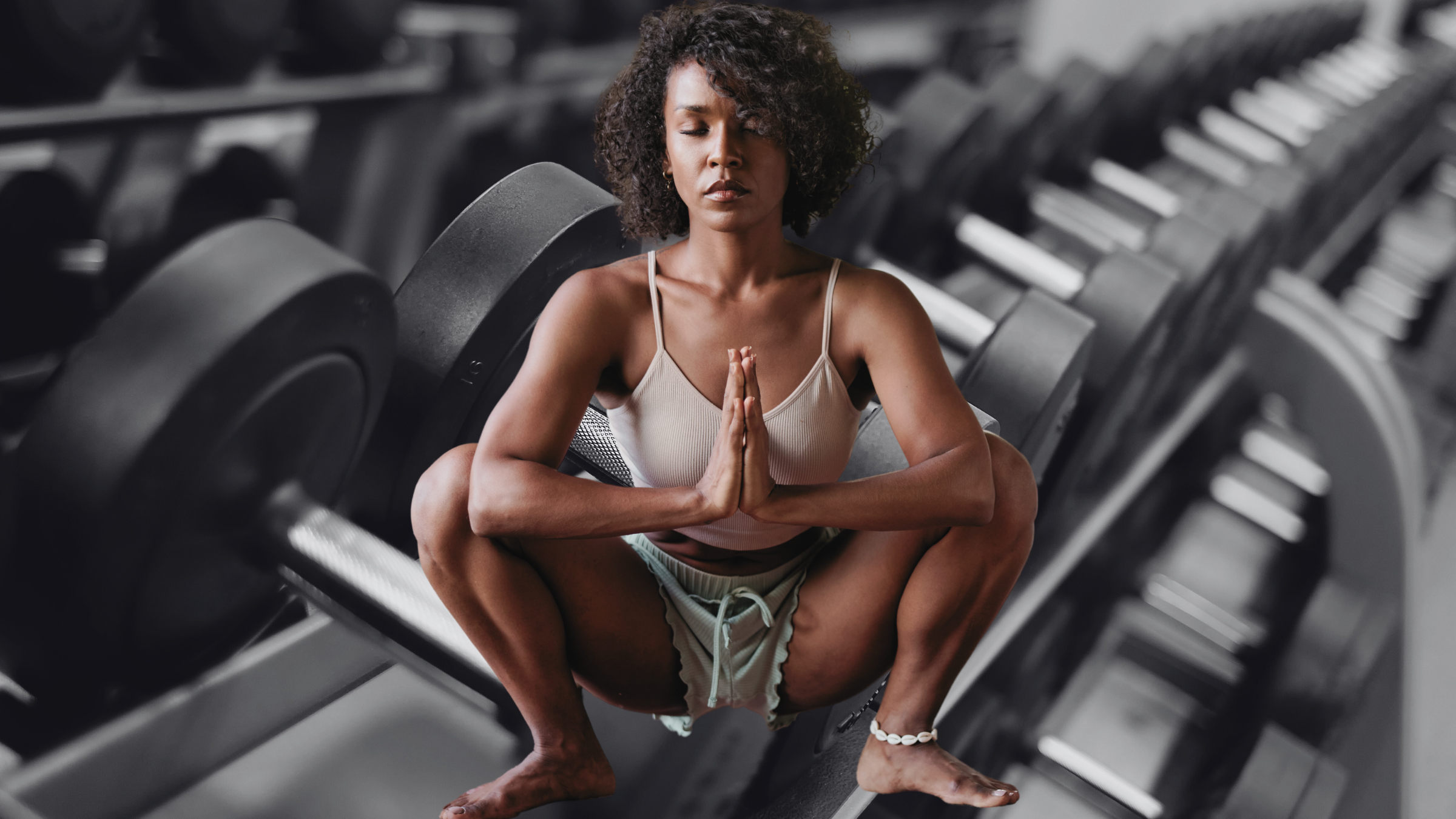
Unlock Your Lifting Potential: How Yoga Enhances Mobility for Strength Training
Manny athletes and fitness enthusiasts focus intensely on strength training, sometimes overlooking a crucial component: mobility. Limited mobility can considerably hinder your performance,increase your risk of injury,and compromise your form. Fortunately, integrating yoga into your routine can dramatically improve your range of motion, leading too safer, more effective workouts. This article explores how specific yoga poses can directly benefit your strength training, particularly for exercises like deadlifts and squats.
Why Mobility Matters for Strength Training
Consider this: tight muscles restrict your movement patterns. This forces other muscle groups to compensate, perhaps leading to strain and injury. Improving your mobility allows you to move through a fuller range of motion, engage the correct muscles, and lift with proper form.Ultimately, this translates to greater strength gains and a reduced risk of setbacks.
5 Yoga Poses to Boost Your Strength Training
Here are five yoga poses that directly address common mobility limitations impacting strength training performance:
1.Cat-Cow Pose
A stiff spine can negatively impact almost any lift. Cat-Cow Pose gently warms the spine,improving flexibility and coordination. It also helps to release tension in the back and abdomen.
How to: Begin on your hands and knees,with your wrists aligned under your shoulders and your knees under your hips.Inhale as you drop your belly toward the mat, arching your back and lifting your gaze (Cow Pose). Exhale as you round your spine toward the ceiling, tucking your chin to your chest (cat Pose). Continue flowing between these two poses for several breaths.
2. Downward-Facing dog
Tight hamstrings can compromise your deadlift form, forcing your lower back to overcompensate and increasing the risk of strain. Downward-Facing Dog releases tension in the hamstrings and calves while concurrently building shoulder stability.
How to: Start on your hands and knees, then press your palms into the mat and lift your hips up and back. You can gently pedal your feet by bending one knee at a time, or keep both knees bent