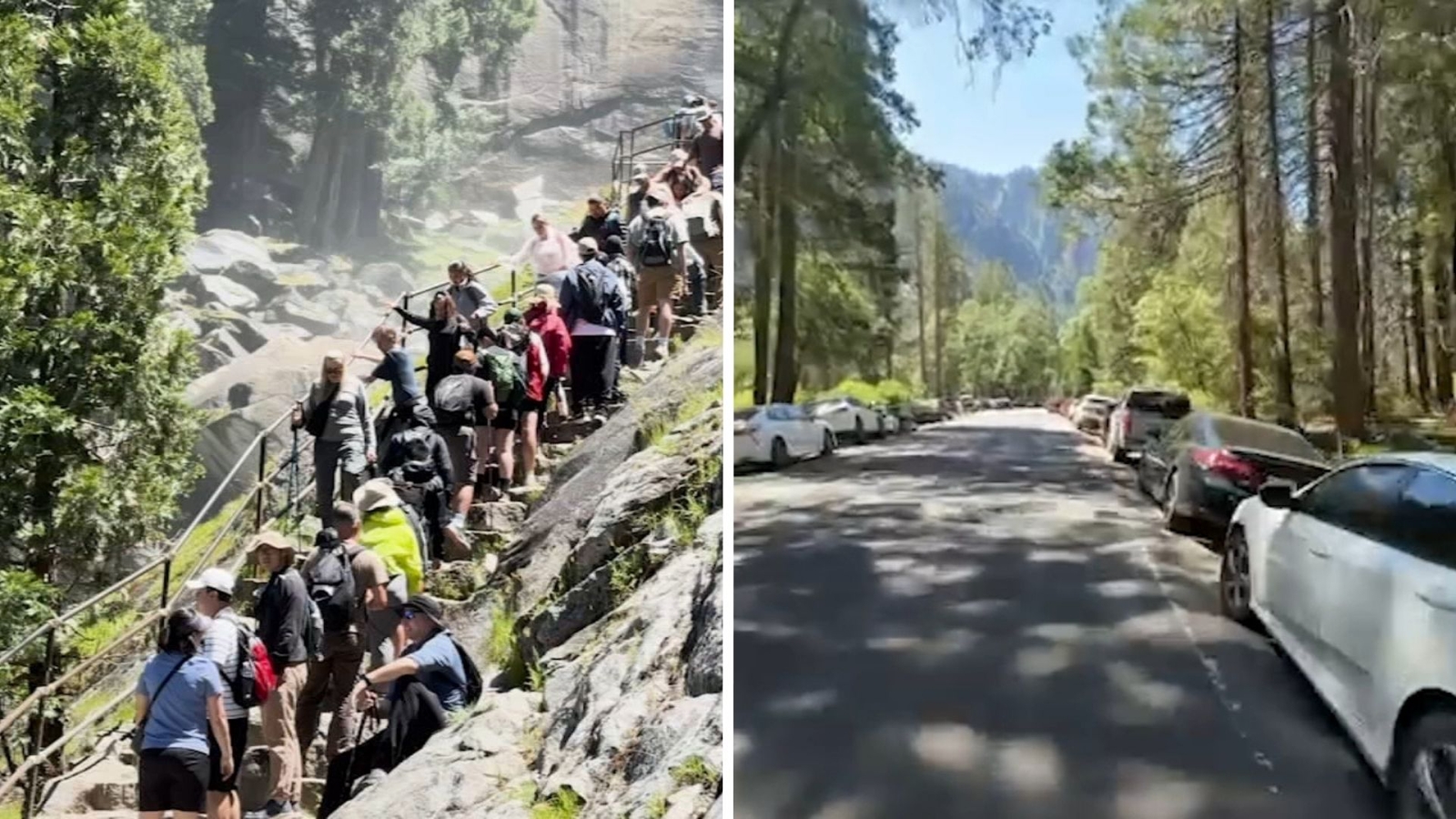
As the summer travel season begins, visitors to one of America’s most iconic landscapes are encountering a significant shift in logistics. Yosemite National Park, a cornerstone of the United States National Park system, has recently seen its entry requirements evolve, resulting in substantial traffic congestion and logistical hurdles for those hoping to experience the park’s granite cliffs and meadows. For many, the transition away from a mandatory reservation system has turned a planned excursion into a test of patience, raising questions about how the National Park Service (NPS) manages high-volume tourism during peak holiday periods.
The recent Memorial Day weekend served as a focal point for these challenges. As an influx of travelers arrived at the gates, the absence of a pre-booked entry mandate led to what many observers described as chaotic conditions. According to the National Park Service official portal, Yosemite remains one of the most significant habitat blocks in the Sierra Nevada, attracting millions of visitors annually. However, the surge in unmanaged traffic has strained infrastructure, leading to parking shortages and extended wait times that have dominated the conversation among outdoor enthusiasts and local residents alike.
Understanding the Shift in Park Access
For several years, Yosemite—like many other units within the National Park Service—experimented with various forms of reservation-based entry to mitigate overcrowding and protect the delicate biological diversity of the region. These systems were designed to distribute visitor density more evenly throughout the year, particularly during the high-demand summer months and federal holidays. When these requirements are lifted, the park experiences a sudden return to traditional, first-come, first-served access, which often results in the immediate saturation of parking facilities and primary thoroughfares.
The park, which covers approximately 1,187 square miles across four California counties, is internationally recognized for its natural features, including its deep valleys and ancient groves of giant sequoia. Because almost 95 percent of the park is designated as wilderness, the accessible areas—primarily the Yosemite Valley—bear the brunt of vehicle traffic. When entry is unrestricted, the concentration of visitors in these specific zones creates a bottleneck effect that can quickly overwhelm park staff and existing traffic management protocols.
The Impact of High-Volume Tourism
The challenges observed over the recent holiday weekend highlight a broader tension between the desire for public access to public lands and the necessity of managing environmental and logistical constraints. When parking lots reach capacity early in the morning, visitors are often turned away or forced to navigate secondary roads, which are not designed for high-volume tourism. This not only impacts the visitor experience but also complicates the work of park rangers who must prioritize safety and emergency access throughout the park’s extensive road network.
While the National Park Service continues to monitor these patterns, the current situation underscores the difficulty of balancing accessibility with the protection of the park’s natural resources. For those planning a visit, the current landscape necessitates a high degree of flexibility. Official guidance remains the most reliable resource for travelers, as the NPS provides real-time updates on road conditions, parking availability, and potential closures through their centralized digital channels.
Navigating Future Visits to Yosemite
For those looking to visit Yosemite in the coming months, preparation is essential. The National Park Service frequently updates its Plan Your Visit page to reflect the most current operational status, including traffic alerts and seasonal adjustments. Visitors are encouraged to check these resources frequently, as conditions can change rapidly based on weather, maintenance, and visitor volume.

Key considerations for prospective travelers include:
- Checking official park websites for real-time traffic updates before departure.
- Considering arrival times outside of peak morning hours to avoid the worst of the congestion.
- Utilizing shuttle services where available to reduce the number of individual vehicles entering the valley.
- Reviewing the park management and planning documents to better understand the long-term strategies being developed to address visitor density.
As the season progresses, the National Park Service is expected to continue evaluating its entry strategies. These evaluations are critical for maintaining the ecological integrity of the World Heritage Site while ensuring that the park remains a welcoming environment for all. Whether or not a return to a reservation system is implemented for future peak periods remains a subject of ongoing administrative review.
We invite our readers to share their experiences regarding park access and the evolving nature of public land management in the comments section below. Stay tuned to the World Today Journal for further updates as the National Park Service releases new guidance regarding summer operations and long-term visitor management policies.
Keep reading