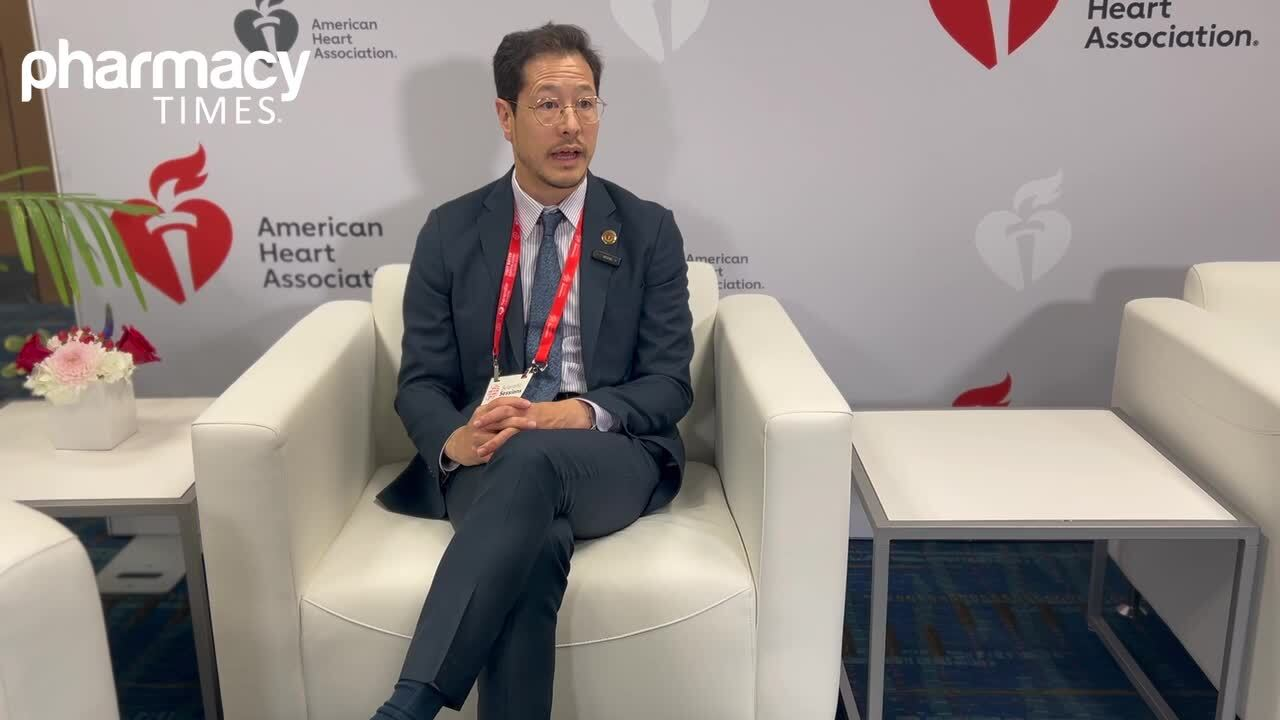
Decoding Finerenone‘s Benefits & Addressing Lipid Management Gaps: An Expert Perspective
Chronic kidney disease (CKD) and cardiovascular disease (CVD) frequently coexist, notably within teh context of cardiac-kidney-metabolic (CKM) syndrome. Recent research surrounding finerenone, a nonsteroidal mineralocorticoid receptor antagonist (MRA), is shedding light on the intricacies of this syndrome and offering valuable insights into optimal patient care. This article delves into the early mechanisms of finerenone’s benefit, the importance of long-term adherence, and the critical need for improved lipid management, particularly in young adults.
Finerenone: Early Signals & Understanding CKM Syndrome
Clinical trials with finerenone have revealed a fascinating pattern: improvements in cardiovascular outcomes precede demonstrable benefits in kidney function. This isn’t an anomaly. Similar results have been observed with SGLT2 inhibitors, another class of drugs proving effective in managing CKM syndrome.
This parallel benefit profile suggests that the underlying pathology of CKM syndrome involves a complex interplay where early cardiovascular events - like heart failure hospitalizations and progression – significantly impact the trajectory of kidney disease. Essentially, stabilizing the cardiovascular system early on appears to create a more favorable habitat for kidney protection.
“The fact that both of these drugs show this pattern suggests some insight into what CKM syndrome is, how it progresses, and how heart failure, heart failure hospitalizations, and heart failure progression may play a role in the overall disease arc, including the ultimate endpoints of kidney failure or kidney death,” explains Dr. Shoa Clarke, MD, PhD. This highlights the importance of a holistic approach to managing patients with CKM syndrome, addressing both cardiac and renal health together.
The Critical Role of Adherence with Finerenone
Given the cumulative benefit observed with finerenone, long-term adherence is paramount. Data from the FINE-HEART study demonstrate a concerning trend: withdrawal of finerenone, compared to continued treatment, led to a rapid increase in adverse events. This underscores the potential for a rebound effect, likely due to a compensatory surge in aldosterone levels when the MRA is discontinued.
Aldosterone,a hormone regulating blood pressure and electrolyte balance,can become dysregulated in CKM syndrome. Blocking its effects with finerenone provides benefit, but abruptly removing that blockade can lead to detrimental consequences.
Clinicians must emphasize the importance of consistent medication use to patients. Strategies to improve adherence,such as simplifying medication regimens,providing patient education,and leveraging pharmacist support,are crucial for maximizing the long-term benefits of finerenone.
Addressing the Lipid Management Crisis in Young adults
Despite clear guidelines recommending earlier intervention, a meaningful gap exists in lipid management for young adults with elevated LDL cholesterol. Less than half of young adults with severely elevated LDL begin statin therapy within five years of their first high reading.This delay represents a missed possibility for preventing premature cardiovascular disease.
dr. clarke identifies a key barrier: “Physicians are not doing a great job of testing cholesterol in young adults and treating it when it should be treated according to our guidelines.” This is compounded by a historical focus in guidelines on risk assessment in the 40-79 age group,perhaps overshadowing the need for early intervention in younger populations.
Though, the rationale for treating hypercholesterolemia in young adults is compelling. Early intervention can prevent the accumulation of plaque in arteries, reducing the risk of future cardiovascular events.
Pharmacists & Clinicians: A Collaborative Approach to Improved Lipid Management
Closing the gap in lipid management requires a concerted effort from all healthcare professionals. Pharmacists and clinicians have a vital role to play in:
* Proactive Screening: Implementing routine lipid screening in young adults, particularly those with family history of early heart disease or other risk factors.
* Clear Communication: Educating patients about the benefits of early intervention and addressing any concerns regarding statin therapy.
* Shared Decision-Making: Engaging patients in a collaborative discussion about their risk factors and treatment options.
* Streamlined Follow-Up: Ensuring timely follow-up lipid testing to monitor treatment effectiveness and adjust therapy as needed.
* Pharmacist-Led Initiatives: Exploring the implementation of pharmacist-led clinics focused on chronic disease management, including hypercholesterolemia. Pharmacists can play a key role in identifying patients who need treatment, conducting follow-up testing, and ensuring medication adherence.
Ultimately, improving early lipid management and maximizing the benefits of therapies like finerenone requires a paradigm shift towards proactive, patient-centered care. By embracing a collaborative approach and prioritizing early intervention, we can significantly reduce the burden of cardiovascular and kidney disease and improve the long-term health of our patients.
Disclaimer: *this