
YouTube has initiated a comprehensive consultation process targeting content creators across the 27 member states of the European Union. This strategic move is designed to quantify the economic contribution of the creator economy within the bloc and provide empirical data to help shape future regulatory frameworks and industry policies. As the digital landscape continues to evolve, the platform is seeking direct input from those who drive its ecosystem to better understand how localized content production intersects with broader economic growth.
The initiative, which focuses on the impact of digital creators on the EU’s internal market, comes at a time when policymakers in Brussels are increasingly scrutinizing the role of large online platforms. By gathering granular data directly from the community, YouTube aims to illustrate the tangible value generated by independent creators, ranging from small-scale educational channels to large-scale entertainment enterprises. This effort is part of a broader trend where major technology firms are engaging more proactively with regional stakeholders to ensure that digital policies remain grounded in the realities of those who use their services daily.
Understanding the Creator Economy in the EU
The “creator economy” refers to the ecosystem of independent content creators, curators, and community builders who use digital platforms to monetize their skills and audiences. In the European Union, this sector has seen significant expansion, supported by a diverse cultural landscape and a unified digital market. According to reports regarding the platform’s broader economic footprint, YouTube’s ecosystem contributed billions of euros to the European GDP and supported hundreds of thousands of full-time equivalent jobs in recent years, as verified through official impact assessments published by the company. This new consultation seeks to update these figures and provide a more nuanced view of the post-pandemic digital economy.
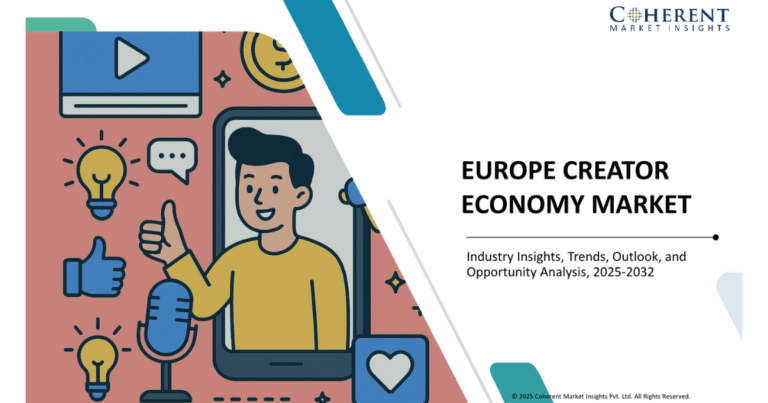
For many creators, the platform is not merely a hobbyist space but a primary source of income and a vehicle for professional branding. The consultation process is expected to cover a wide array of topics, including monetization challenges, the impact of local copyright laws, and the hurdles faced when scaling operations across different linguistic and cultural borders within the EU. By analyzing these barriers, the platform hopes to advocate for policies that foster innovation while maintaining the safety and integrity of the digital space.
Why Data Collection Matters for Regulatory Future
Regulatory bodies in the European Union, such as the European Commission, have been active in introducing landmark legislation like the Digital Services Act (DSA) and the Digital Markets Act (DMA). These laws aim to create a safer digital space and ensure fair competition among platforms. You can find more information on these regulations via the official portal of the European Commission. Because these regulations directly impact how creators reach audiences and monetize their content, industry participants are eager to ensure their voices are represented in the ongoing policy discussions.

The current consultation by YouTube serves as a bridge between the granular experiences of individual creators and the high-level policy discussions happening in Brussels. By providing data on how creators navigate the EU market, YouTube can better argue for regulatory approaches that balance the need for user protection with the necessity of maintaining a vibrant, competitive, and lucrative environment for independent talent. This data-driven approach is essential for demonstrating the “weight” of the sector, ensuring that creators are seen as key economic actors rather than just platform users.
What This Means for European Creators
The consultation is likely to touch upon several key areas that affect the day-to-day operations of European creators:
- Monetization and Taxation: Understanding the tax implications for creators operating across borders within the EU single market.
- Regulatory Compliance: Assessing how new transparency requirements under the DSA affect content creation and audience engagement.
- Skills and Education: Identifying the need for digital literacy and business management training for creators looking to turn their channels into sustainable enterprises.
- Cultural Diversity: Leveraging the unique cultural and linguistic diversity of the EU to reach global audiences while maintaining local relevance.
Creators participating in the consultation can expect to share insights on how they leverage various tools—such as YouTube Shorts, memberships, and brand partnerships—to build their businesses. This feedback loop is vital for the platform to refine its product roadmap, ensuring that new features are developed with the specific needs of the European market in mind.
Next Steps and Future Outlook
As the consultation period progresses, stakeholders expect that the insights gathered will be synthesized into a report that will be shared with relevant EU institutions. This report is intended to serve as a reference point for future policy dialogues. While there is no fixed date for the conclusion of this specific consultation, the platform has indicated that such initiatives are ongoing and represent a long-term commitment to transparency and stakeholder engagement. For the latest official updates regarding these efforts, creators are encouraged to monitor the official YouTube Blog, which serves as the primary channel for company-wide policy announcements and research findings.
The evolution of the creator economy is a critical subject for anyone interested in the future of digital media and technology. As we look ahead, the ability of platforms to work effectively with policymakers and creators will determine the sustainability of this sector. We invite our readers to join the conversation and share their thoughts on how these regulatory developments might shape the future of content creation in Europe. Whether you are a creator or a follower of tech policy, your perspective is a vital part of this ongoing story.
Keep reading
- Una promesa de 5 años de actualizaciones: Samsung “firma el contrato” con el usuario de los nuevos Galaxy Watch – Xataka Móvil
- Ampet’s Video POV: How to Anger the 015 in a Domestic Setting
- COVID-19 Impact on Cesarean Section Rates: A Robson Classification Analysis (archynewsy.com)
- Quebec’s 390-Million-Year-Old Meteorite Impact Crater Uhackatik Discovered (time.news)