Koldo García Izaguirre, a former advisor to the Spanish Ministry of Transport, faces significant legal jeopardy as judicial authorities examine a collection of luxury jewelry discovered during ongoing corruption investigations. According to court filings from the Central Court of Instruction Number 2 of the National Court (Audiencia Nacional), the value and origin of these assets form the basis of potential criminal charges including tax fraud and smuggling, which could carry prison sentences of up to ten years if proven in court.
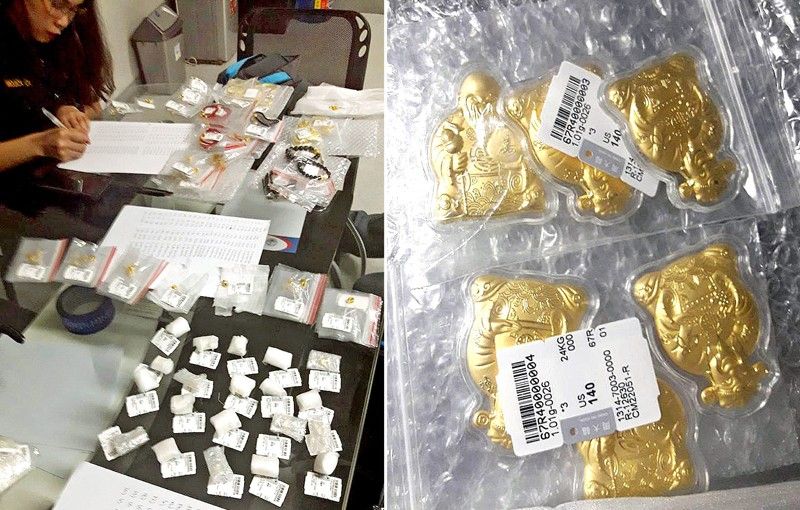
The investigation, centered on what is colloquially referred to as the “jewelry piece” of the broader Koldo case, involves an inventory of high-end items valued by investigators at approximately 1.3 million euros. Among the most notable items is a diamond and emerald necklace, which legal documents identify as having a market valuation of 278,000 euros. The judicial inquiry seeks to determine whether these assets were acquired through illicit funds linked to the alleged influence-peddling scheme that has embroiled various figures within the political and administrative sphere.
Legal Framework and Charges
The legal proceedings are governed by the Spanish Penal Code, which establishes strict penalties for crimes against the public treasury and smuggling. Under Spanish law, the concealment of assets or the failure to declare the true value of luxury goods can be classified as a tax offense, particularly when the amounts involved exceed the thresholds defined by the Tax Agency (Agencia Tributaria). For a deeper understanding of the legal procedures involved in such high-profile cases, the official portal of the Poder Judicial provides access to relevant procedural updates and court rulings.

The presiding judge has reportedly rejected attempts to decouple the jewelry from the primary tax fraud investigation. By maintaining the inclusion of these assets, the court ensures that the investigation into the origin of the funds remains comprehensive. If the prosecution successfully demonstrates that the jewelry was purchased with proceeds from illegal activities, the defendants could face the upper limits of the sentencing guidelines, given the high valuation of the seized goods and the nature of the alleged financial improprieties.
Internal Political Repercussions
The emergence of these details has triggered significant political tension. Reports indicate that various members of the Socialist Party (PSOE) have expressed frustration over the situation, particularly concerning the transparency of the asset declarations. Critics within the party have suggested that the under-valuation of such items reflects poorly on the institution and the individuals involved, leading to calls for accountability. These internal pressures highlight the broader impact of the scandal on public confidence in administrative integrity.
Furthermore, the controversy has extended to other institutions, such as the Ateneo, where leadership has faced criticism for their handling of the public narrative regarding the jewelry. Observers note that the public discourse surrounding these items has become a focal point for debates regarding ethics in public office. The intensity of this reaction underscores the political sensitivity of the case, as stakeholders navigate the fallout of the judicial findings.
Verification of Asset Valuation
The valuation of the 1.3 million euro collection has been a subject of intense scrutiny. Investigators have relied on expert appraisals to establish these figures, which are essential for determining the scope of the alleged financial crimes. The discrepancy between the declared values and the expert market assessments forms the crux of the tax fraud allegations. According to guidelines set by the Spanish Tax Agency, the accurate reporting of assets is a mandatory requirement for all public officials, and failure to comply can lead to severe administrative and criminal consequences.
The case remains active, with the court continuing to review evidence submitted by the Guardia Civil and the Anti-Corruption Prosecutor’s Office. As the investigation progresses, the focus will likely shift to the authentication of purchase records and the tracing of financial transactions that allowed for the acquisition of such high-value luxury goods. The court is expected to schedule further evidentiary hearings in the coming months to address these specific components of the case.
What Happens Next?
The next phase of the legal process will involve the presentation of forensic accounting reports, which will provide a definitive link between the alleged illegal activities and the purchase of the assets. The defense is expected to challenge the valuations provided by the prosecution’s experts, setting the stage for a complex legal battle over the financial data. For those following the developments, updates are posted periodically on the official website of the Audiencia Nacional, which serves as the primary source for documentation regarding the status of the proceedings.
As the legal and political dimensions of the case continue to unfold, the public remains focused on whether the upcoming judicial milestones will lead to formal indictments or if the defense will succeed in challenging the current evidence. The outcome of the “jewelry piece” will likely influence the trajectory of the wider corruption probe, serving as a critical indicator of the court’s stance on financial accountability. We invite readers to share their perspectives on these developments in the comments section below as we continue to track this ongoing investigation.
Keep reading