
Zaporizhzhia Nuclear Power Plant: Restart Prospects,Risks,and teh Future of Europe’s Largest Facility
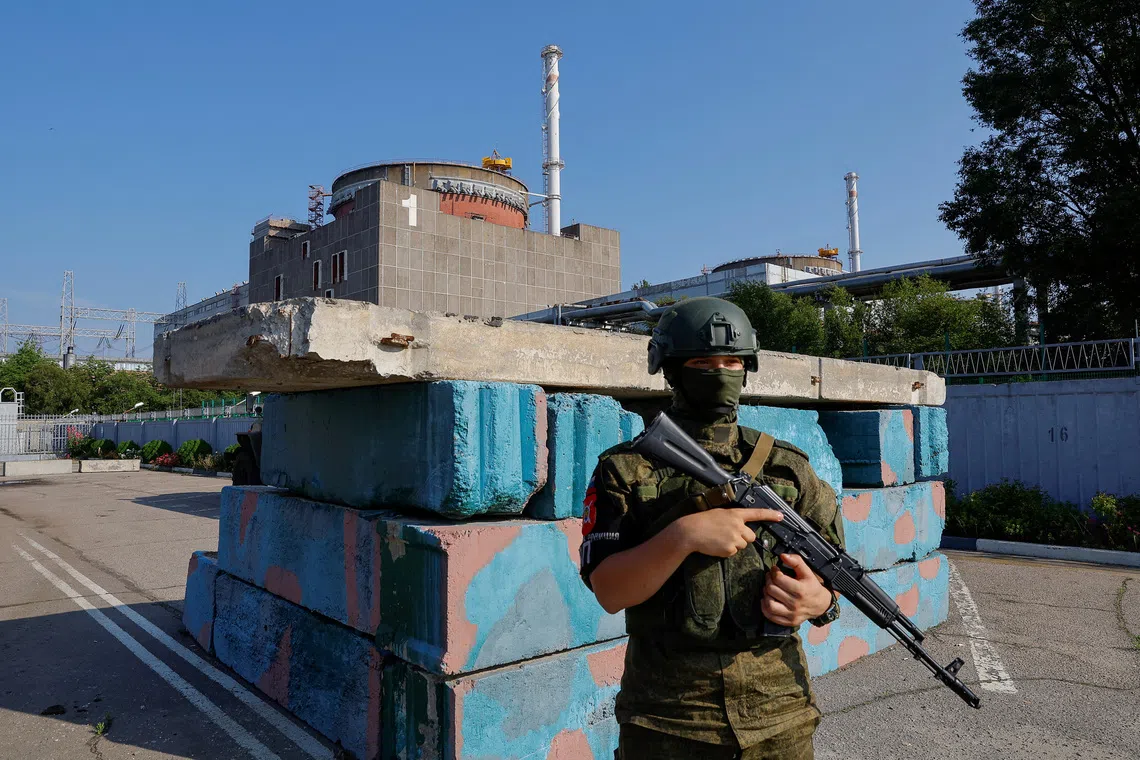
The future of the zaporizhzhia Nuclear Power Plant (ZNPP),Europe’s largest nuclear facility,remains a critical concern amidst the ongoing conflict in Ukraine. Currently under Russian control since March 2022, the plant is not generating electricity but relies on external power for crucial cooling functions. Recent statements from Ramil Galiyev, the Russian-appointed head of the ZNPP, suggest a potential restart of power generation by mid-2027 if hostilities cease. This article provides a comprehensive overview of the situation, examining the challenges, risks, and potential pathways toward restoring operations at the ZNPP, alongside a look at the broader implications for nuclear safety and energy security in the region. We’ll delve into the technical hurdles, geopolitical complexities, and the role of international organizations like the IAEA.
Understanding the Current Situation at zaporizhzhia
The ZNPP’s precarious position is a direct result of the war in Ukraine. Seized by Russian forces early in the conflict,the plant has become a focal point of international anxiety. While the plant’s reactors are currently shut down as a safety precaution, maintaining thier integrity requires a continuous supply of electricity to power cooling systems – preventing a potential nuclear meltdown.
Did You Know? The Zaporizhzhia plant typically provides around 20% of Ukraine’s electricity needs.Its shutdown has considerably impacted the country’s energy grid.
Currently, power line repairs are underway, overseen by a team from the International Atomic Energy Agency (IAEA). These repairs, expected to take several days, are vital for restoring a stable external power supply. Though, the plant’s vulnerability remains high, with both Russia and Ukraine regularly accusing each other of shelling the area, raising the specter of a catastrophic incident. The risk of damage to critical infrastructure, such as cooling systems, is a constant threat.
Technical Challenges to Restarting the ZNPP
Even if a ceasefire is achieved, bringing the ZNPP back online is not a simple task. Galiyev highlighted “serious issues” that need addressing, including:
* Cooling Pond Replenishment: The cooling ponds, essential for dissipating heat from the reactors, require replenishment. Maintaining adequate water levels is crucial for safe operation.
* Railway Infrastructure Repair: The delivery of necessary equipment and materials for repairs and maintenance relies on functional railway lines, which have likely sustained damage during the conflict.
* Equipment Assessment & Repair: A thorough assessment of all plant equipment is needed to identify and repair any damage caused by shelling, vibrations, or prolonged shutdown. This includes turbines, generators, and control systems.
* Fuel supply: Ensuring a sufficient supply of nuclear fuel for reactor operation is another logistical challenge.
* Staffing & Security: the availability of qualified personnel and ensuring the plant’s security in a post-conflict habitat are paramount.
Pro Tip: Nuclear power plant restarts aren’t quick. Even under ideal circumstances,bringing a reactor back online after a prolonged shutdown involves a rigorous,multi-stage process with extensive safety checks.
Geopolitical Risks and International Involvement
The ZNPP’s situation is deeply intertwined with the broader geopolitical landscape. the plant’s control by Russia raises concerns about potential misuse or deliberate targeting. The IAEA has been actively working to establish a “nuclear safety and security protection zone” around the plant, but progress has been hampered by the ongoing conflict and lack of agreement between the parties involved.
The IAEA Director General, Rafael grossi, has repeatedly emphasized the urgent need for a protective zone to prevent a nuclear accident. https://www.iaea.org/newscenter/pressreleases/iaea-director-general-statement-on-situation-in-ukraine The agency continues to maintain a presence at the plant, monitoring the situation and providing technical assistance.Though,its ability to fully guarantee the plant’s safety is limited without a lasting resolution to the conflict.
Comparing Restart Timelines & Potential Scenarios
The mid-2027 timeline offered by Galiyev is contingent on a swift end to the war. Here’s a comparative look at potential scenarios:



![BMI Nashville Executive Dies: Remembering [Executive’s Name]](https://i0.wp.com/www.billboard.com/wp-content/uploads/2025/12/roger-sovine-1800-getty.jpg?resize=330%2C220&ssl=1 "BMI Nashville Executive Dies: Remembering [Executive’s Name]")


![BMI Nashville Executive Dies: Remembering [Executive’s Name]](https://i0.wp.com/www.billboard.com/wp-content/uploads/2025/12/roger-sovine-1800-getty.jpg?resize=150%2C100&ssl=1 "BMI Nashville Executive Dies: Remembering [Executive’s Name]")
