
Disinformation and Drone Warfare: Examining Claims of an Attack on putin’s Valdai Residence
Teh escalating conflict between Ukraine and Russia is increasingly characterized not only by conventional warfare but also by a sophisticated campaign of facts manipulation. On December 30, 2025, Ukrainian President Volodymyr Zelensky addressed reports of a purported drone attack targeting Vladimir Putin‘s residence in Valdai, asserting that Kyiv’s international partners possess the technological means to debunk Russia’s claims.This incident highlights a critical juncture in modern conflict: the blurring lines between physical attacks and the strategic deployment of disinformation. This article delves into the details of the alleged attack, the Ukrainian response, the role of technological verification, and the broader implications for information warfare in the 21st century.
The Alleged Attack and Russia’s Accusations
Russian state media initially reported an attempted drone strike on Putin’s secluded residence in Valdai,located in the Novgorod region,on December 29,2025. Reports indicated that two drones were involved, with one being neutralized by electronic warfare systems and the other crashing in the vicinity of the residence. Moscow swiftly attributed the incident to Ukraine, framing it as a terrorist act and a direct attempt on the life of the Russian president.
However, the timing and nature of the accusations immediately raised skepticism.The incident occurred amidst heightened tensions, following a series of Ukrainian counteroffensives and increased Western military aid. According to a recent report by the Institute for the Study of War (November 15, 2025), Russia has consistently employed narratives of Ukrainian aggression to justify its own military actions and rally domestic support. This pattern suggests a potential motive for exaggerating or fabricating the details of the Valdai incident.
Did You Know? The use of disinformation as a tool of war dates back centuries, but the speed and scale at which it can be disseminated today, thanks to social media and digital technologies, are unprecedented. A 2024 study by the Atlantic Council found that coordinated disinformation campaigns have increased by 300% in the last five years.
Zelensky’s Response and the Role of Allied Verification
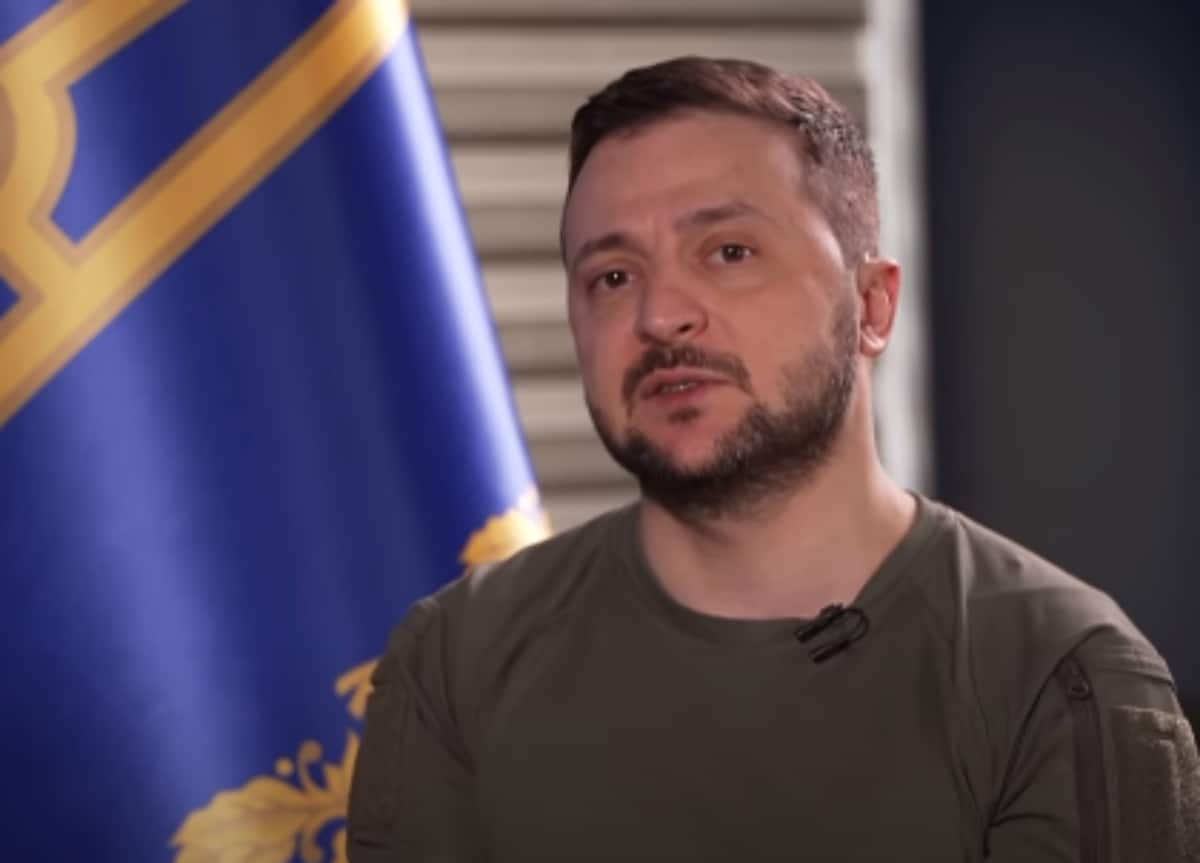
President Zelensky swiftly responded to the russian allegations, stating that his government had shared details with their American counterparts, leading to a conclusion that the incident was fabricated. He emphasized that Ukraine’s allies have the “technical capabilities” to independently verify the falsity of the claims. This statement underscores the growing reliance on advanced technologies – such as satellite imagery analysis, signal intelligence, and digital forensics – to counter disinformation and establish factual accuracy in conflict zones.
Zelensky’s confidence in allied verification capabilities is likely rooted in the extensive intelligence sharing arrangements between Ukraine and its Western partners.The United States, the United Kingdom, and other NATO members have been providing Ukraine with meaningful intelligence support since the beginning of the conflict, including real-time monitoring of Russian military activities and analysis of Russian propaganda efforts.
“regarding the attack on Valdai, our negotiating team connected with the American team, they whent through the details, and we understand that it’s fake. And,of course,our partners can always verify thanks to their technical capabilities that it was fake.”
Technological Verification in Modern Warfare
The ability to verify or debunk claims of attacks,particularly those involving advanced weaponry like drones,is becoming increasingly crucial in modern warfare. Several technologies play a vital role in this process:
* Satellite Imagery: High-resolution satellite imagery can provide independent confirmation of damage assessments, troop movements, and the presence or absence of military equipment.
* Signal Intelligence (SIGINT): Intercepting and analyzing electronic signals can reveal information about drone flight paths, communication patterns, and the origin of attacks.
* Digital Forensics: Examining digital evidence – such as social media posts, videos, and images – can help identify manipulated content and trace the source of false narratives.
* Open-Source Intelligence (OSINT): Utilizing publicly available information, including news reports, social media feeds, and online databases, to gather insights and corroborate claims.
Pro tip: When evaluating information related to the conflict, always cross-reference multiple sources and be wary of information originating from biased or unverified accounts.Utilize fact-checking websites like Snopes and PolitiFact to assess the credibility of claims.
A recent case study involving the shelling of a





![Dabble Promo Code: $25 Free Bet – New User Bonus [FOX25]](https://i0.wp.com/a57.foxsports.com/statics.foxsports.com/www.foxsports.com/content/uploads/2025/11/1408/814/6e20d597-artboard-1.jpg?resize=150%2C100&ssl=1 "Dabble Promo Code: $25 Free Bet – New User Bonus [FOX25]")


