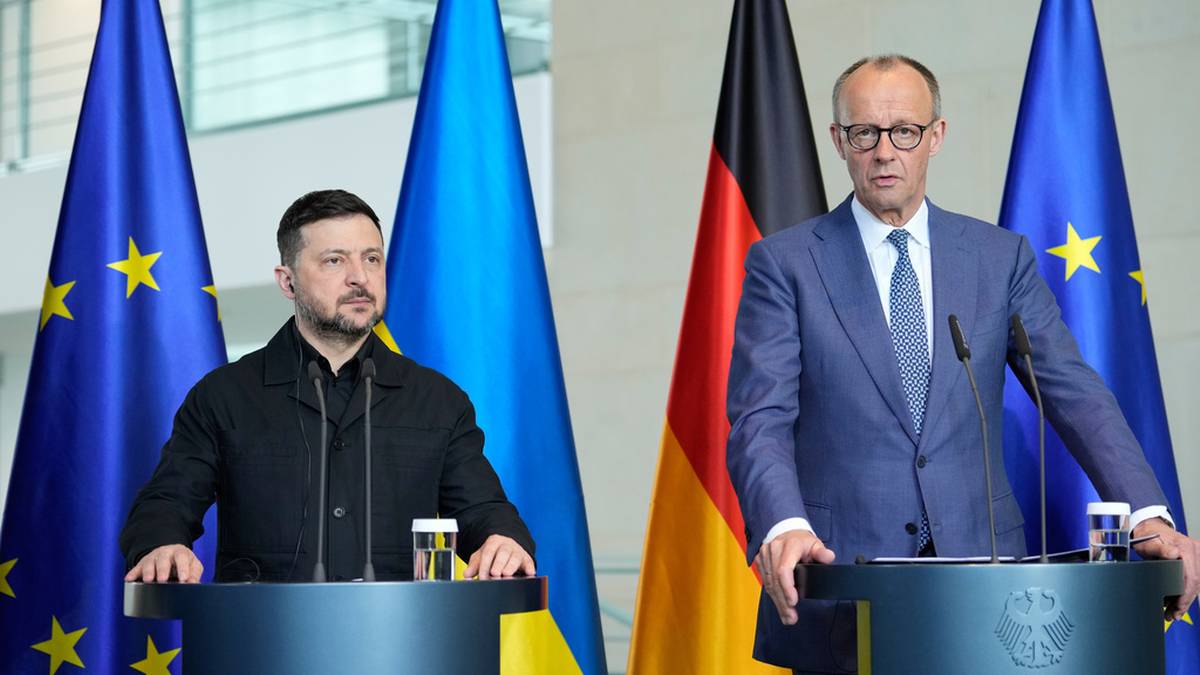
In a significant shift in European diplomacy, Germany has formally elevated its relationship with Ukraine to a strategic partnership. The announcement came during a high-level visit to Berlin by Ukrainian President Volodymyr Zelenskyy, where he met with German Chancellor Friedrich Merz to solidify military ties and discuss the long-term trajectory of Ukraine’s integration into the European fold.
The meetings, held at the Chancellery in Berlin, underscore a deepening bond between the two nations at a critical juncture of the conflict. Chancellor Merz noted that the friendship and connection between the two societies are deeper than ever, making the transition to a Ukraine Germany strategic partnership a natural progression of their bilateral relations according to official statements from the Berlin consultations.
While the atmosphere was one of cooperation, the visit similarly highlighted persistent tensions regarding the pace of Ukraine’s accession to the European Union and the urgent need for internal reforms. President Zelenskyy used the platform to address a sensitive domestic issue: the return of young Ukrainian men currently residing in Germany who are of mobilization age.
Military Support and the 4 Billion Euro Defense Package
Central to the strategic partnership is a substantial increase in military assistance. The two governments have agreed upon a defense package valued at 4 billion euros as reported during the intergovernmental consultations. This package is designed to bolster Ukraine’s air defense capabilities and industrial resilience.
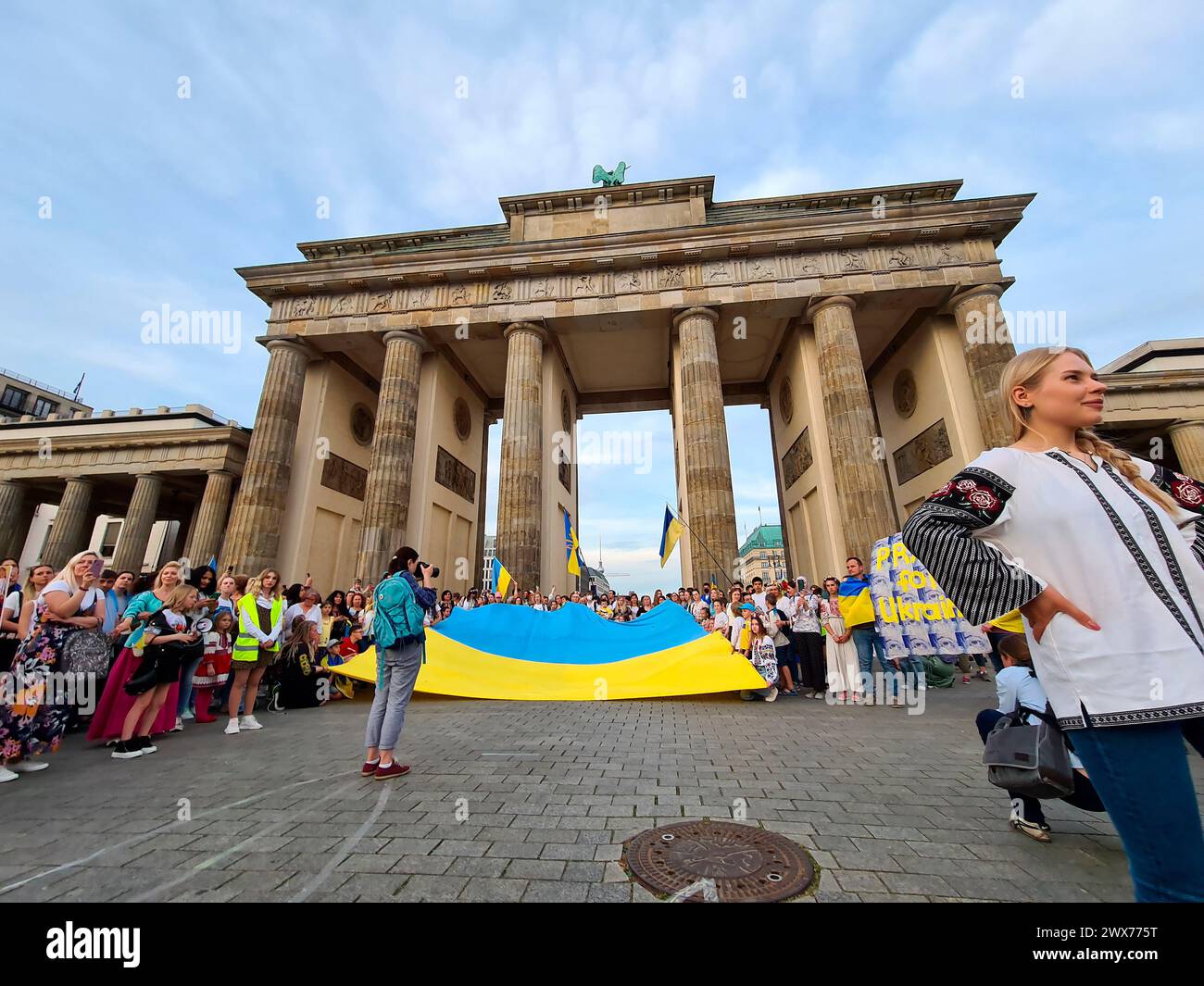
As part of this agreement, the German government has committed to financing several hundred missiles for the Patriot air defense systems per the Chancellery’s announcements. The deal includes the delivery of 36 IRIS-T launchers, ensuring that Ukraine maintains a robust shield against aerial threats according to defense agreements signed in Berlin.
Beyond immediate hardware, the partnership is expanding into industrial cooperation. Ministers from both nations signed two key documents: one focused on data cooperation between the respective ministries of defense, and a joint declaration regarding the support and reconstruction of the Ukrainian defense industry. This shift suggests a move toward long-term sustainability in Ukraine’s military production, particularly in the sectors of drones and weaponry.
The Friction of EU Integration and Reform
Despite the military alignment, the path to European Union membership remains fraught with diplomatic hurdles. Chancellor Friedrich Merz explicitly stated that while Germany supports Ukraine’s goal of joining the EU, this objective cannot be realized in a short period of time during a press conference in Berlin.
Merz called on the government in Kyiv to intensify its implementation of reforms, specifically emphasizing the need for progress in the areas of the rule of law and the fight against corruption. This sentiment was echoed by the German publication Handelsblatt, which argued that Berlin’s support should remain generous but not unconditional. The publication suggested that President Zelenskyy himself has created new obstacles to EU integration through repeated attacks on national anti-corruption bodies as noted in its analysis of the consultations.
On the geopolitical front, Chancellor Merz emphasized that Berlin seeks a “fast and lasting peace,” but cautioned that Germany will not accept a peace imposed by Russia that allows Moscow to realize its maximum demands. He further expressed his conviction that no final arrangements with Russia should be made without the involvement of Europeans.
Mobilization and the Appeal for Repatriation
One of the most contentious points of President Zelenskyy’s visit was his public appeal for the return of Ukrainian citizens currently living in Germany. Zelenskyy specifically highlighted the issue of young people who left the country in violation of Ukrainian law during his visit to Berlin.
The Ukrainian President stated that the return of citizens of mobilization age is vital for the country’s continued defense efforts. This appeal places a complex burden on the host nation, as Germany balances its humanitarian obligations to refugees with its role as a strategic military partner to the Ukrainian state.
Key Takeaways from the Berlin Consultations
- Strategic Upgrade: Relations have been elevated to a “strategic partnership” to reflect deepened societal and political ties.
- Military Aid: A 4 billion euro package includes hundreds of Patriot missiles and 36 IRIS-T launchers.
- EU Hurdles: Membership is supported but not expected soon, contingent on intensified anti-corruption and rule-of-law reforms.
- Repatriation Push: President Zelenskyy is actively calling for the return of mobilization-age men who left Ukraine illegally.
- Peace Terms: Germany rejects any “imposed peace” that satisfies Russia’s maximum territorial or political demands.
Following the conclusion of the intergovernmental consultations in Berlin, President Zelenskyy is scheduled to travel to Norway to continue his diplomatic efforts in securing European support.
We will continue to monitor the implementation of the 4 billion euro defense package and the progress of the requested anti-corruption reforms in Kyiv. Please share your thoughts on the balance between humanitarian refugee protections and national mobilization needs in the comments below.