
Ukrainian President Volodymyr Zelenskyy has intensified his diplomatic outreach to the United States, calling on President Donald Trump and members of Congress to expedite the delivery of Patriot missile systems. As the ongoing conflict continues to strain Ukraine’s defensive capabilities, the request comes amid significant concerns regarding a potential escalation in Russian aerial bombardment across the country.
The Patriot missile system, a cornerstone of modern air defense, is designed to intercept tactical ballistic missiles, cruise missiles, and advanced aircraft. For Kyiv, the acquisition of additional batteries is viewed as a critical necessity to protect both infrastructure and civilian populations from sustained long-range strikes. This plea marks a pivotal moment in the bilateral security relationship, as Washington weighs its own defense inventory against the urgent requirements of its ally.
Strategic Importance of Air Defense
The reliance on sophisticated air defense systems has become a defining feature of the conflict. Since the full-scale invasion began in 2022, Ukrainian officials have consistently emphasized that their ability to repel Russian forces is inextricably linked to their capacity to control the skies. The Patriot system has proven instrumental in mitigating the impact of high-velocity threats that older, Soviet-era hardware struggle to neutralize effectively.
According to reports from the U.S. Department of Defense, the provision of security assistance is managed through a series of bilateral agreements and military aid packages. These transfers undergo rigorous assessment to ensure that the equipment can be integrated into existing Ukrainian operational frameworks without compromising the readiness of U.S. Forces.
Diplomatic Engagement and Congressional Oversight
President Zelenskyy’s direct appeal to the White House and Capitol Hill underscores the high-stakes nature of the current negotiations. Legislative support in the U.S. Congress remains the primary mechanism for funding and authorizing the transfer of advanced military hardware. As the administration coordinates with lawmakers, the debate often centers on the balance between domestic defense stocks and the strategic imperative of supporting international partners.
The process of finalizing such high-value military deals involves complex logistical planning, ranging from the transportation of the equipment to the specialized training required for Ukrainian personnel to operate the systems. Officials have previously noted that the training pipeline is a critical component of the deployment timeline, ensuring that the systems are not merely delivered but are immediately combat-effective upon arrival.
Context of the Conflict
The current security environment remains volatile. Reports of increased Russian military activity have prompted Kyiv to seek additional defensive assurances. The strategic goal of the Ukrainian government remains the protection of its energy infrastructure and major urban centers, which have frequently been targeted by drone and missile salvos. By securing more Patriot batteries, the Ukrainian military aims to create a more robust “air umbrella” that can deter future strikes.
While the international community continues to monitor the situation, the focus remains on the logistical and political hurdles of replenishing Ukraine’s arsenal. The North Atlantic Treaty Organization (NATO) has also played a role in coordinating support, though the specific bilateral arrangements for Patriot systems remain a primary focus of the U.S.-Ukraine security partnership.
Looking Ahead
The situation remains fluid, with further updates expected as administrative and legislative bodies in Washington deliberate on the specific terms of the requested assistance. Observers are watching for the next official Department of Defense briefing, which typically provides updates on the status of ongoing military aid packages and equipment delivery timelines.
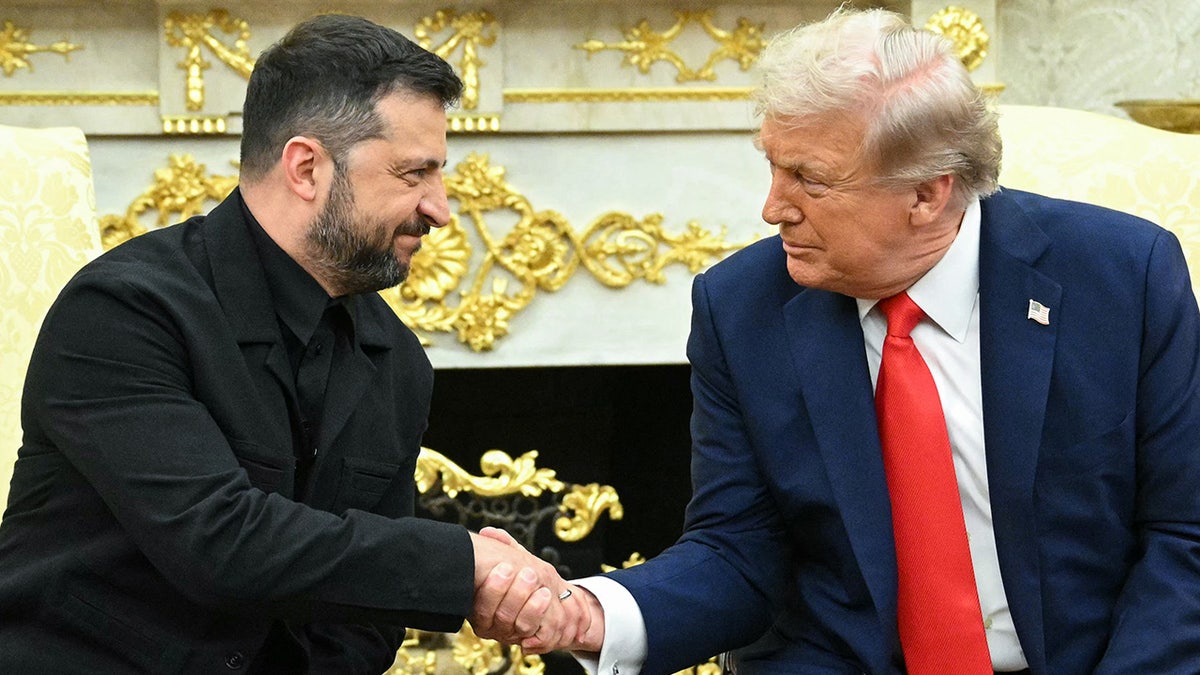
As this story develops, our team at the World Today Journal will continue to track the official statements from both the White House and the Office of the President of Ukraine. We encourage our readers to share their thoughts on the evolving geopolitical landscape and join the conversation in the comments section below.
- Jokowi’s Political Strategy: Power Plays, Data-Driven Decisions, and Regional Influence
- Fix “You Do Not Have Permission” Speed Camera Error
- Trump Slams Iran’s Duplicity and Warns Blockade Will Remain Amid Stalled Talks (world-today-news.com)
- Odesa Attack: 13 Injured as Russian Strike Hits Transport Infrastructure (time.news)