
Ukraine’s Potential Negotiation Path: A shifting Landscape
The ongoing conflict in Ukraine is reaching a critical juncture, with increasing discussion surrounding potential negotiation pathways. Recent proposals, especially a draft circulated by the United States, have sparked debate regarding the terms and feasibility of a lasting peace. Understanding the nuances of these discussions, and the positions of key players, is crucial for assessing the future of the conflict.
The U.S. Draft and Initial reactions
A U.S. draft proposal reportedly suggested a framework for negotiations centered around territorial concessions from Ukraine. Specifically, it envisioned Ukraine ceding territory to Russia in exchange for a ceasefire and security guarantees.This idea quickly drew criticism from some of Ukraine’s strongest allies.
Several European nations voiced concerns about incentivizing further Russian aggression. German Chancellor Friedrich Merz emphasized the importance of Ukraine maintaining its defensive capabilities. berlin also indicated that any future negotiations should be based on the current front lines, not the lines suggested in the U.S. draft. This divergence highlights a key tension: balancing the desire for a swift resolution with the need to uphold Ukraine’s sovereignty and deter future Russian expansion.
Russia’s Stance: “Negotiate Now” or Face Consequences
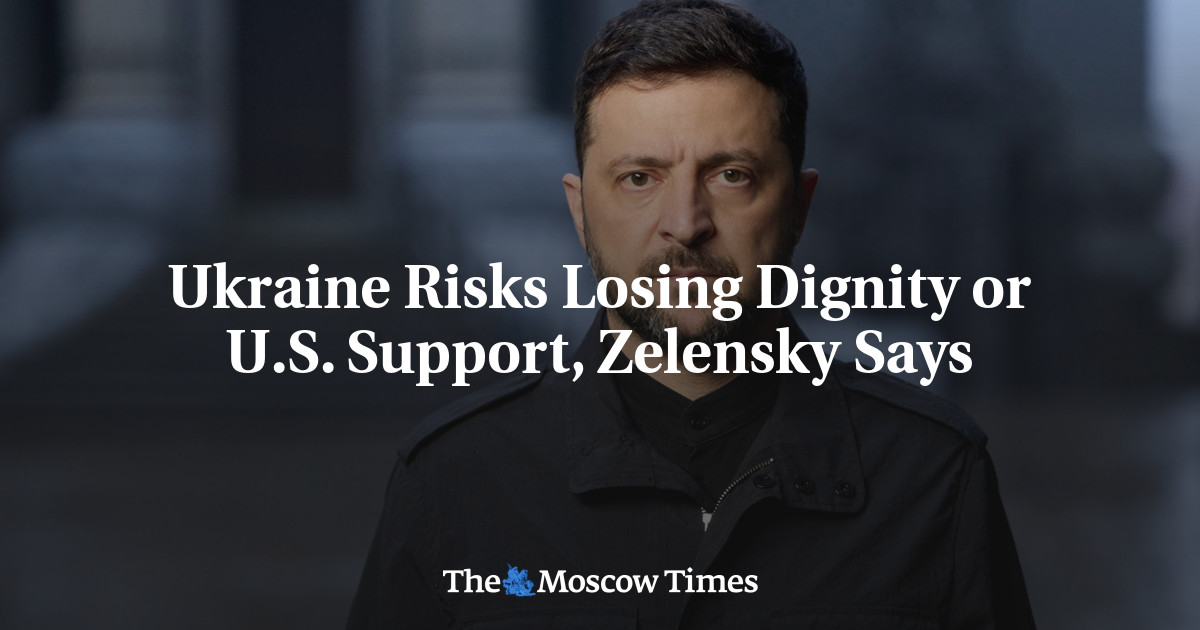
Moscow has consistently stated its willingness to negotiate, but on its own terms. Kremlin spokesman Dmitry Peskov recently urged Ukrainian President Zelensky to begin negotiations “now,” warning that Ukraine risks losing more territory if it delays. Peskov framed the situation as a diminishing window of opportunity for Zelensky, suggesting his decision-making power is directly tied to the amount of territory Ukraine controls.
This statement underscores Russia’s belief that it holds a position of strength and that time is on its side. It also reveals a willingness to leverage territorial gains as a bargaining chip in any potential negotiations.
Key considerations for a Path Forward
Several factors will shape the trajectory of negotiations, if and when they begin. You should consider these points:
* Territorial Integrity: Ukraine is understandably reluctant to cede territory, viewing it as a violation of its sovereignty.
* Security Guarantees: Any agreement must include robust security guarantees for ukraine to prevent future aggression.
* international Support: the unity and continued support of Ukraine’s allies will be vital in shaping the negotiating landscape.
* domestic Political Considerations: Both Ukraine and Russia face internal political pressures that will influence their negotiating positions.
* The Current Battlefield Situation: The evolving dynamics on the ground will inevitably impact the terms of any potential agreement.
Ultimately, achieving a lasting peace will require a delicate balance of compromise, strong diplomatic efforts, and a commitment from all parties to de-escalate the conflict. The path forward remains uncertain, but understanding the positions and motivations of the key players is essential for navigating this complex situation.


