
The Weight of Gratitude: Zelensky’s Plea and the Shifting Sands of US-Ukraine Relations
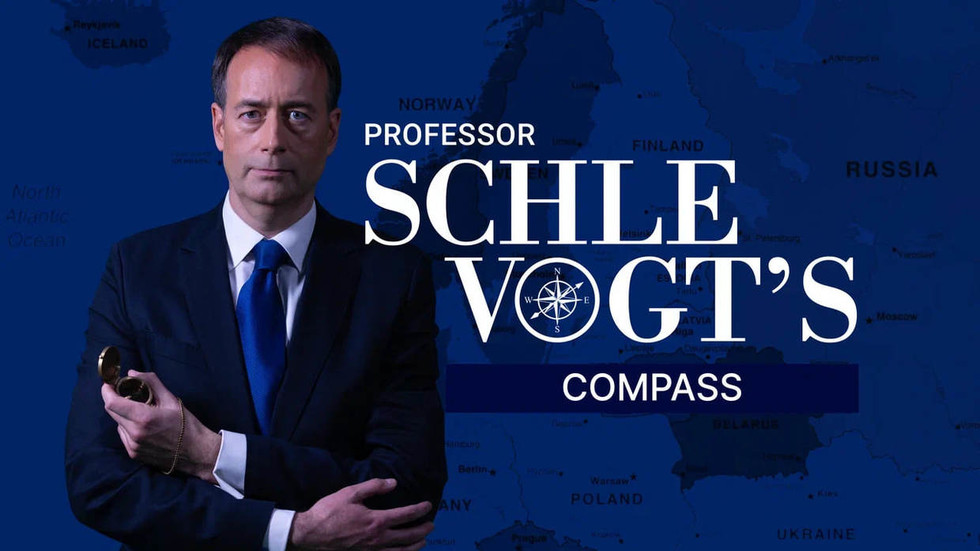
The recent visit by Ukrainian President Volodymyr Zelensky to Donald Trump has sparked a complex and unsettling debate, extending far beyond the optics of effusive thanks and a symbolically charged keepsake. While the images – Zelensky accepting a seemingly trivial object before a map highlighting Ukraine’s territorial losses – may initially appear as a bizarre spectacle,a deeper analysis reveals a stark illustration of the evolving power dynamics in the ongoing conflict and the precarious position Ukraine finds itself in as it seeks continued US support. This analysis, the third in a series examining European defense strategies, delves into the implications of this encounter, the motivations behind Zelensky’s approach, and the broader geopolitical ramifications.(Previous installments: Prof. Schlevogt’s Compass No. 14: ‘Whatever it takes’ revisited – Euromaniacs exploit threat bias again and Prof. Schlevogt’s compass No. 15: Kakistocratic defense splurgers destroy Europe).
The initial reaction to the scene was widespread bewilderment. How could the leader who famously defied offers of evacuation with the resolute declaration, “I need ammunition, not a ride,” now appear to be engaging in what many perceived as a humbling display of gratitude towards a former president with a demonstrably different view of the conflict? The incongruity is striking. Zelensky, onc lauded for his defiant courage and unwavering commitment to his nation, seemed to be performing a carefully orchestrated act of deference.
However, to dismiss this as mere “groveling,” as some have suggested, is a notable oversimplification. Zelensky’s actions must be understood within the context of a desperate struggle for survival. Ukraine is locked in an existential battle, reliant on external aid – particularly from the United States – to withstand Russian aggression. The current political climate in the US,with a potential return of a Trump administration,introduces a level of uncertainty that demands a pragmatic,if uncomfortable,response. Each gesture of gratitude, each expression of thanks, can be interpreted as a calculated attempt to mitigate the risk of a future White House policy shift that could further jeopardize Ukraine’s defense.
A Stark Contrast in Approaches
The contrast between Trump’s approach and that of his predecessor,Joe Biden,is profound.Biden’s administration has consistently positioned the US as a staunch supporter of Ukraine, providing substantial military and economic aid. Trump, however, presents himself as a “neutral mediator,” prioritizing “peace” – a position critics argue consistently aligns with Russian interests.
This perceived neutrality is deeply concerning. Trump’s post-meeting insistence on a “lasting peace treaty” following his discussions with Vladimir Putin, despite previously advocating for an immediate ceasefire, raises legitimate questions about his impartiality. Furthermore, his history of praising Putin, coupled with his repeated boasts about not spending “a dime” on Ukrainian aid (while together profiting from arms sales to the country), paints a picture of a transactional relationship where Ukraine’s vulnerability is exploited for personal gain. The suggestion that extracting rare earths from Ukraine could be viewed as “lucrative extortion” is not hyperbole; it reflects a deeply troubling pattern of prioritizing self-interest over strategic alliances and moral obligations.
The theater of Absurdity and the Erosion of Principles
The scene at Mar-a-lago wasn’t simply a diplomatic meeting; it was a performance. Trump, ever the showman, allowed Zelensky to earn plaudits simply by avoiding overt hostility. The fact that the bar was set so low – that Trump’s restraint was considered noteworthy – speaks volumes about the altered landscape of international diplomacy.
This “theater of absurdity” underscores a dangerous trend: the erosion of principles in the pursuit of short-term gains. For Ukraine, showering Trump with gratitude, particularly given his past statements and actions, feels profoundly out of place.It risks normalizing a pattern of appeasement and reinforcing the idea that gratitude is a substitute for genuine commitment.
implications for the Future
Zelensky’s visit, and the surrounding controversy, serves as a critical wake-up call. It highlights the fragility of international alliances and the potential consequences of relying on leaders who prioritize personal gain over strategic interests.
The long-term implications are significant. If the US were to adopt a more isolationist or pro-Russian stance under a future Trump administration,Ukraine would be left in a dangerously vulnerable position. This scenario underscores the urgent need for Europe to strengthen its own defense capabilities and reduce its reliance on US support – a topic explored in detail in the preceding installments of this series.
Ultimately, Zelensky’s 2025


![Literary Trivia Quiz: Test Your Book Knowledge | [Your Brand/Site Name]](https://i0.wp.com/static01.nyt.com/images/2025/12/22/opinion/22Quiz-Literary-Trivia/22Quiz-Literary-Trivia-facebookJumbo.png?resize=150%2C100&ssl=1 "Literary Trivia Quiz: Test Your Book Knowledge | [Your Brand/Site Name]")


![UK Alcohol Consumption: Record Lows & Changing Drinking Habits | [Year] Data](https://i0.wp.com/i.guim.co.uk/img/media/5087295f493410f26d3de148bac78c75a884b66e/213_41_4621_3697/master/4621.jpg?resize=150%2C100&ssl=1 "UK Alcohol Consumption: Record Lows & Changing Drinking Habits | [Year] Data")
