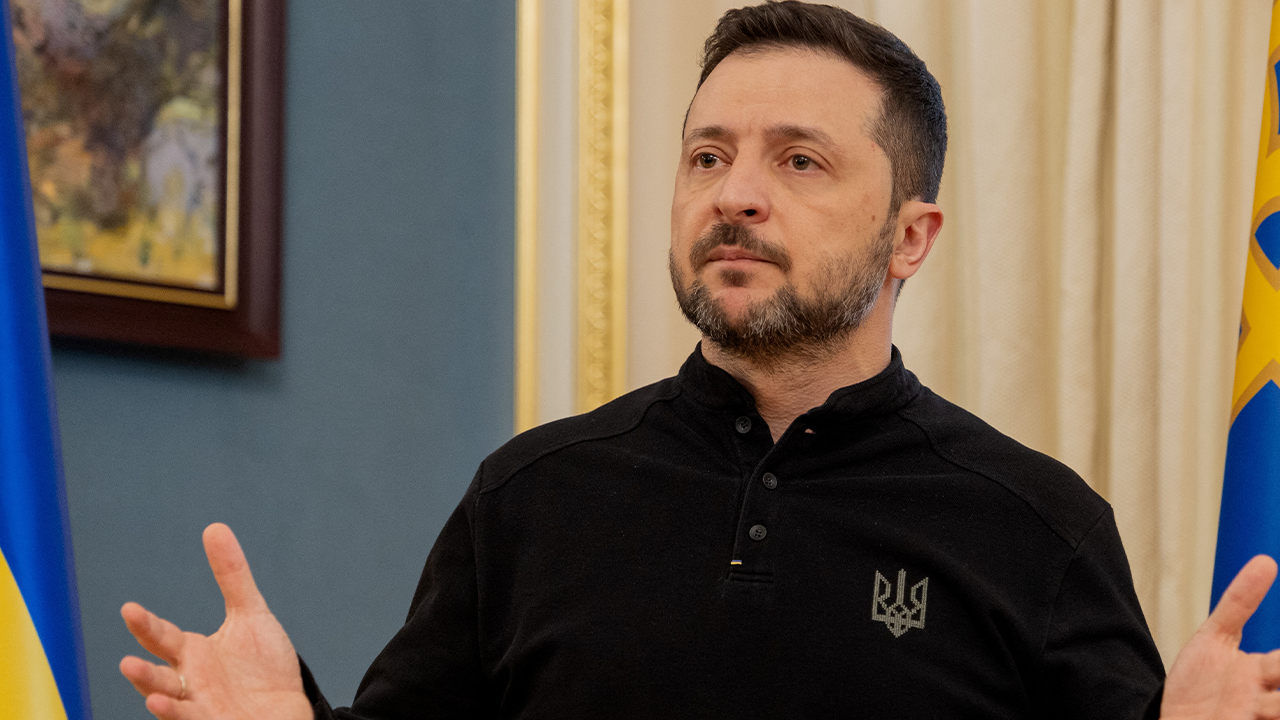
Ukrainian President Volodymyr Zelenskyy has announced a new strategic plan aimed at increasing pressure on the Russian Federation to end the ongoing war. The initiative, which has been widely characterized in international media reports as a 40-day campaign, is designed to compel Moscow toward meaningful diplomatic negotiations through a combination of heightened military, economic, and political measures. According to statements released by the Ukrainian leadership, the objective is to shift the current battlefield and geopolitical dynamics to break the deadlock that has persisted since the full-scale invasion began in February 2022.
The announcement follows a period of intense activity within the Ukrainian government and defense sectors. While specific tactical details remain classified for operational security, the strategy is framed as a concerted effort to force a change in the Kremlin’s calculus. As of late 2024, the conflict remains a war of attrition, with the United Nations reporting that civilian casualties have continued to rise, reaching tens of thousands since the start of hostilities. The Ukrainian government maintains that this new phase is necessary to secure a “just and lasting peace” based on the principles of international law and territorial integrity.
Strategic Objectives and Operational Scope
The core of the proposed operation centers on creating systemic pressure that targets Russia’s ability to sustain prolonged combat operations. Ukrainian officials, including representatives from the Security Service of Ukraine (SBU) and the General Staff, have signaled that the campaign will utilize both conventional military assets and unconventional warfare tactics. The focus is on disrupting logistics, command structures, and the economic infrastructure that supports the Russian war effort.
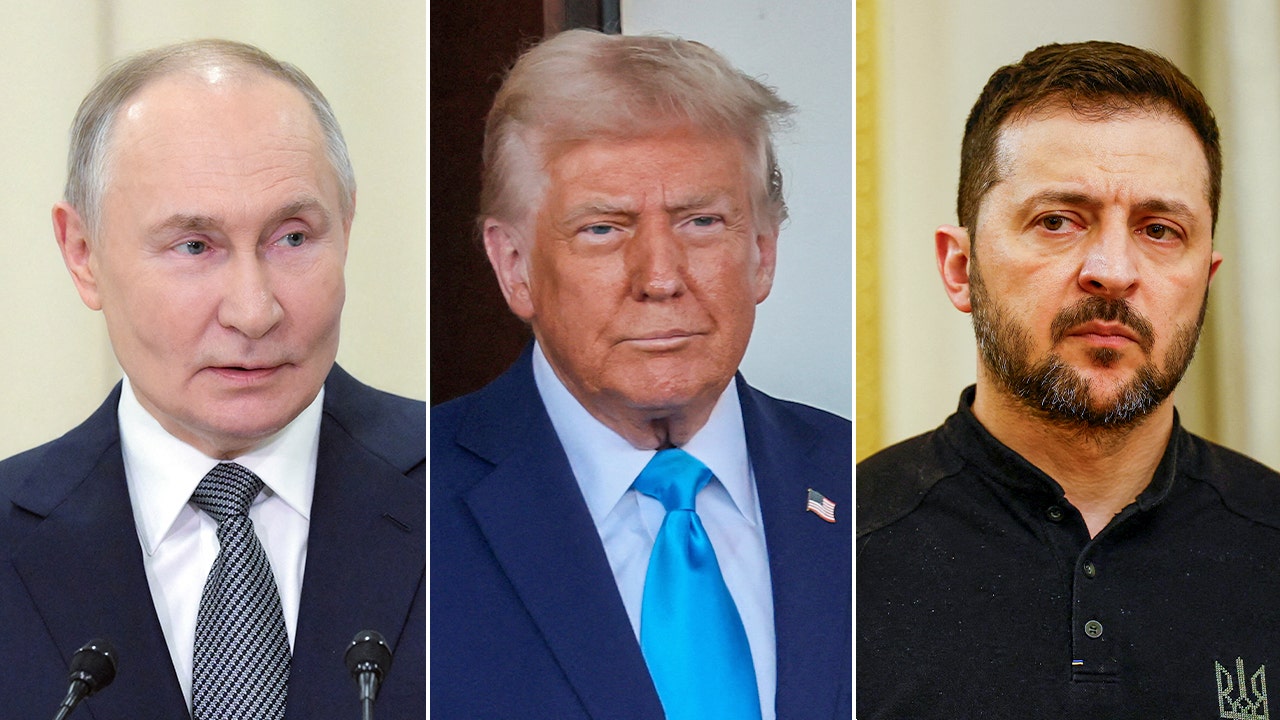
According to the Organization for Security and Co-operation in Europe (OSCE), the conflict has been defined by a significant disparity in resource mobilization, which Ukraine is now seeking to address through more surgical, high-impact interventions. The “40-day” timeframe, referenced in various reports, is interpreted by analysts as an intensive operational window intended to maximize political leverage before the end of the calendar year. This approach aligns with broader efforts to maintain international support, particularly as Western allies monitor the effectiveness of military aid packages provided through the U.S. Department of Defense.
Geopolitical Context and International Response
The international community remains divided on the potential outcomes of this intensified pressure. While the Ukrainian government views the operation as a vital step toward ending the war, European leaders have emphasized the need for a diplomatic pathway that does not compromise Ukrainian sovereignty. The European Union has maintained its stance, as outlined in recent European Council conclusions, affirming that any resolution must respect the UN Charter.

Conversely, the Russian government has characterized such initiatives as escalatory. The Kremlin continues to assert its own conditions for peace, which have been widely rejected by Kyiv and its allies as amounting to a demand for capitulation. This creates a significant gap in expectations, as both sides appear to be preparing for a winter period of sustained, high-intensity operations. The role of third-party mediators, including Turkey and various Global South nations, remains limited, with little progress reported on establishing a viable framework for talks.
Impact on the Ground and Humanitarian Considerations
For the civilian population, the announcement of a new 40-day operational phase raises concerns regarding the safety of those living in proximity to the front lines. The Office of the United Nations High Commissioner for Human Rights (OHCHR) has consistently documented the severe impact of military campaigns on energy infrastructure, which has left millions of Ukrainians facing energy insecurity. The upcoming winter months are expected to increase the vulnerability of the population, particularly in eastern and southern regions.
The Ukrainian government has stated that it is taking steps to mitigate the risks to civilians, although the nature of these measures is often constrained by the realities of a total war environment. International aid organizations are currently focusing on winterization efforts, including the distribution of generators and heating equipment, as they prepare for a potential surge in displacement should the intensity of the conflict increase as planned.
What Happens Next
The immediate future of this operation will likely be defined by the success of Ukrainian efforts to secure additional long-range capabilities and the resilience of the Russian defensive lines. Observers are tracking the next session of the NATO-Ukraine Council, where further coordination on defense production and strategic alignment is expected to take place. Monitoring of official government channels from both Kyiv and Moscow remains the most reliable method for tracking the progress of these 40 days.
As the situation unfolds, updates will be provided based on verified reports from the ground and international monitors. Readers are encouraged to follow the official briefings from the Ukrainian Presidential Office and the Ministry of Defense for the most accurate information regarding the operational status. Please share your thoughts in the comments section below or join the conversation on our social media platforms to stay informed on this developing story.
Worth a look
- NASA Responds to Viral TikTok Conspiracy Claiming Earth Will Lose Gravity in 2026
- Rare Total Solar Eclipse Plunges Parts of Europe into Darkness
- Chechen Loyalty to Russia: From WWII Portraits to Modern Conflict (world-today-news.com)
- Force-Placed Insurance, Explained: The Coverage You Never Chose (daybreakwire.com)