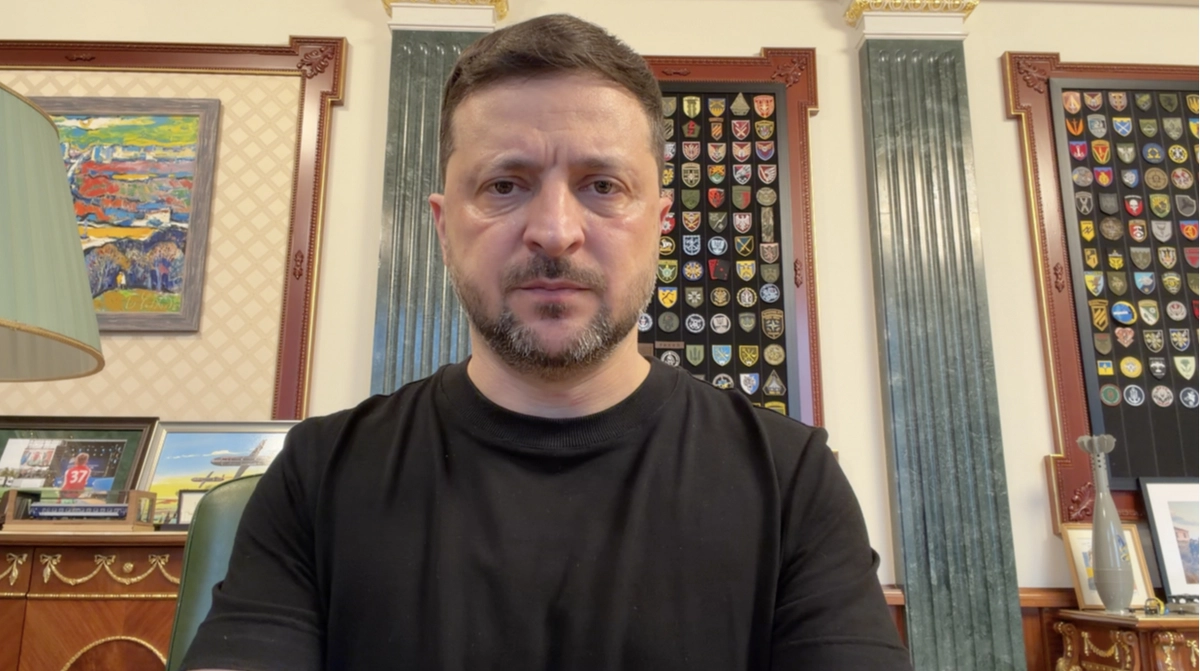
Ukrainian President Volodymyr Zelenskyy has stated that recent systematic strikes on Russian energy infrastructure have forced domestic oil companies to halt operations at various well sites. Speaking on the strategic impact of these long-range operations, the President highlighted that the cumulative effect of these targeted actions has resulted in a measurable contraction of Russia’s domestic oil refining capacity.
According to official government statements and reports tracking the ongoing conflict, the focus of these operations has been to degrade the logistical and economic capabilities that support Russia’s military efforts. The Ukrainian leadership has characterized these strikes as a necessary measure to disrupt the supply chains fueling the ongoing invasion of Ukraine, which continues to be a central point of focus for international observers and the Office of the President of Ukraine.
Strategic Impact on Energy Infrastructure
The assertion regarding a 10% reduction in Russian oil refining capacity reflects an intensified effort by Ukrainian forces to utilize long-range strike capabilities against industrial targets deep within Russian territory. These facilities, often essential for the production of fuel for military vehicles and aviation, have become primary objectives in an effort to impose direct economic costs on the Russian state.
Energy analysts note that the Russian oil sector is highly dependent on both continuous operation and specialized Western-origin technology, which has become increasingly difficult to replace due to international sanctions. The necessity for companies to “shut down wells” suggests that the damage to infrastructure is not merely superficial but impacts the technical ability of these sites to maintain pressure and flow, leading to forced operational pauses that are difficult to reverse quickly without significant capital investment and equipment.
Context of the Ongoing Conflict
The conflict, which escalated significantly following the full-scale Russian invasion of Ukraine in February 2022, has seen a shift toward the targeting of critical infrastructure on both sides of the front lines. For Ukraine, the strategy of targeting refineries is viewed as a way to “level the playing field” by hitting the economic foundations of the Russian war machine. This approach is frequently discussed in briefings provided by the North Atlantic Treaty Organization (NATO) regarding the evolution of modern industrial warfare.

While the Ukrainian government reports significant success in these strikes, the broader landscape of the war remains volatile. Recent reports from international agencies have confirmed that the human cost of the conflict continues to rise, with civilian areas frequently caught in the crossfire of missile and drone exchanges. As reported by major international news outlets, including the BBC, these strikes are part of a broader, high-stakes military campaign that shows no immediate signs of de-escalation.
Looking Ahead: Economic and Military Implications
The long-term viability of the Russian energy sector under these conditions remains a subject of intense debate among economists. With the Russian government attempting to manage the impact of international sanctions alongside the physical destruction of its refining assets, the ability to maintain current levels of output is being tested. The Ukrainian strategy appears designed to force a choice between prioritizing internal fuel requirements or maintaining export revenues.
Key areas of concern for observers include:
- The sustainability of the current frequency of Ukrainian long-range strikes.
- The Russian government’s ability to repair sophisticated refining infrastructure under current export restrictions.
- The potential for global energy market volatility should these strikes lead to a sustained drop in Russian crude exports.
As of May 18, 2026, the situation remains fluid. Both parties continue to engage in diplomatic efforts to secure support from international partners, with the Ukrainian presidency maintaining regular contact with the European Council to discuss both security needs and the economic pressure being applied to Russia. The international community continues to monitor these developments through official updates provided by the respective governments and international monitoring bodies.
We encourage our readers to stay informed through official government portals and verified international reporting. What are your thoughts on the shifting nature of this conflict? Join the conversation in the comments section below and share this report with your network to ensure the facts reach a wider audience.