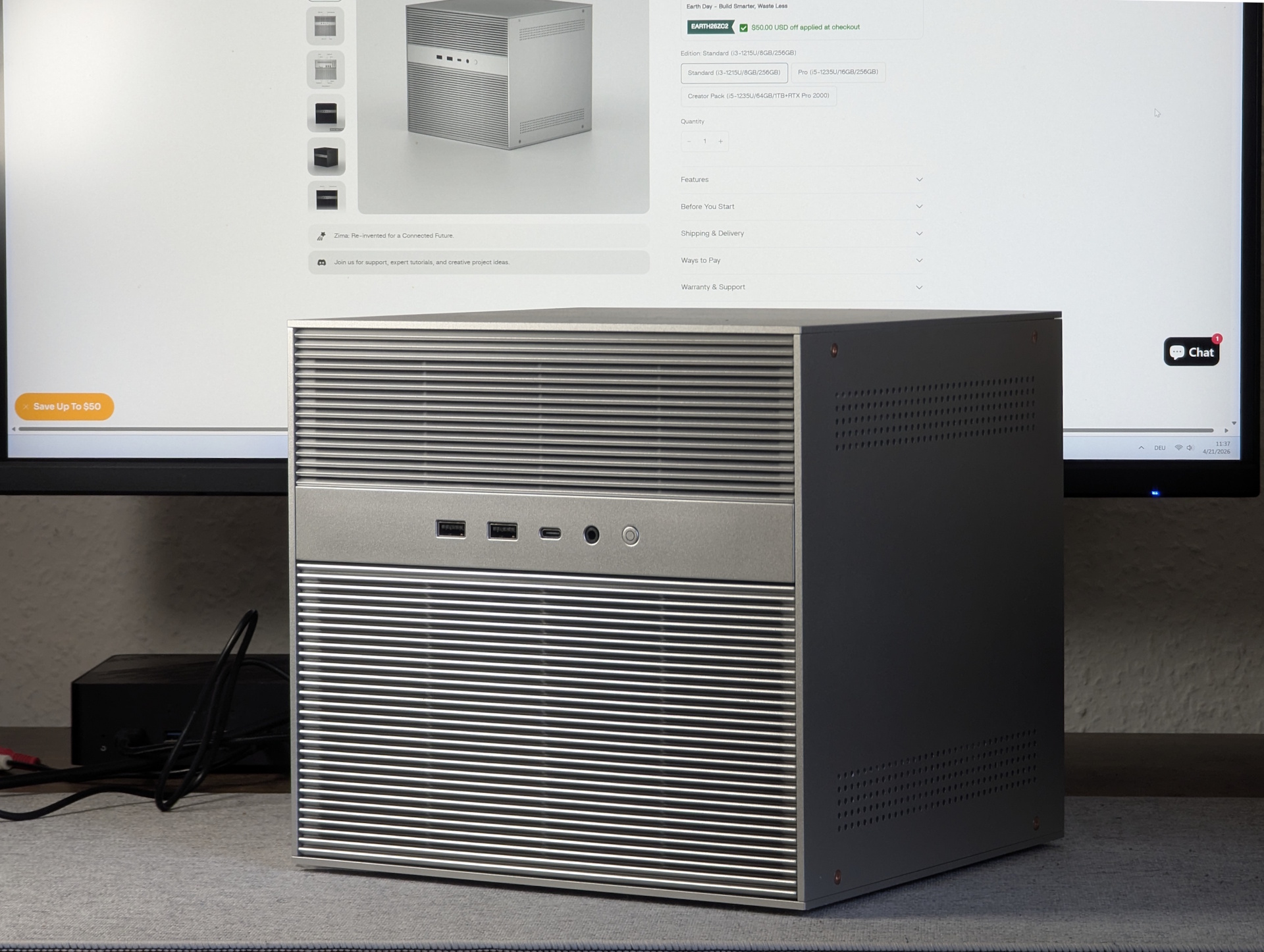
The ZimaCube 2 has emerged as a significant development in the home server market, moving beyond the traditional constraints of Network Attached Storage (NAS) devices. Designed to function as a versatile self-hosting hub, the unit emphasizes flexibility through its support for various operating systems, Thunderbolt 4 connectivity, and PCIe expansion capabilities. These features allow users to reconfigure the hardware for specific roles, ranging from a standard data repository to a virtualization host or an artificial intelligence workstation.
As the demand for private cloud alternatives grows, the ZimaCube 2 positions itself as a hardware foundation for users looking to reclaim control over their digital infrastructure. By offering an open approach to software, the device enables enthusiasts to move away from proprietary ecosystems often found in consumer-grade storage solutions. This shift toward modularity reflects a broader trend in the tech industry where power users prioritize hardware longevity and software customization over closed-source, limited-functionality appliances.
Hardware Versatility and Performance
At the core of the ZimaCube 2’s utility is its hardware architecture, which prioritizes I/O speed and expansion. The inclusion of Thunderbolt 4 ports provides high-speed data transfer rates, facilitating connections to external storage arrays or high-performance peripherals. This level of connectivity is essential for users who manage large media libraries or require low-latency access to virtualized environments.

The device’s PCIe expansion slots serve as a critical differentiator, allowing for the integration of additional network interface cards, storage controllers, or even graphics processing units (GPUs). This expandability is what allows the ZimaCube 2 to function as an AI machine on demand. By offloading complex computational tasks to dedicated hardware, the system can handle workloads that would typically overwhelm standard NAS devices. According to industry specifications, the ability to tailor hardware components directly impacts the system’s effectiveness in specialized roles like machine learning inference or heavy virtualization.
Software Flexibility and Self-Hosting
Unlike many off-the-shelf NAS products that lock users into manufacturer-specific operating systems, the ZimaCube 2 is built to support a wide range of software environments. This freedom of choice is a primary driver for the self-hosting community, as it allows for the deployment of custom Docker containers, home automation software, or private media servers without the interference of restrictive firmware. Users can install their preferred Linux distributions or virtualization platforms, effectively turning the compact device into a specialized server node.
This approach to software management is particularly relevant for those seeking to avoid monthly subscription fees associated with cloud storage providers. By hosting data locally, users maintain sovereignty over their files and services. The transition from public cloud reliance to local self-hosting requires a reliable hardware foundation, and the ZimaCube 2 addresses this need by providing a stable, always-on platform designed for continuous uptime.
Practical Considerations for Home Server Enthusiasts
For those considering the ZimaCube 2, the decision often comes down to the balance between hardware performance and the complexity of maintenance. While the device offers significant power, users must be prepared to manage their own software environment. Unlike plug-and-play consumer devices, the ZimaCube 2 requires a level of technical proficiency to fully realize its potential as a virtualization host or AI platform. However, for those who value the ability to scale their server infrastructure, this trade-off is often considered a benefit rather than a hurdle.
As of June 7, 2026, the market for high-performance home servers continues to evolve, with manufacturers increasingly focusing on the intersection of hardware modularity and open-source software compatibility. Prospective users should monitor official product documentation and developer forums for the most recent updates regarding firmware compatibility and hardware support lists. Engaging with the community of ZimaCube users can provide valuable insights into optimized configurations and best practices for common self-hosting tasks. We invite readers to share their experiences with home server builds in the comments section below.
Worth a look