
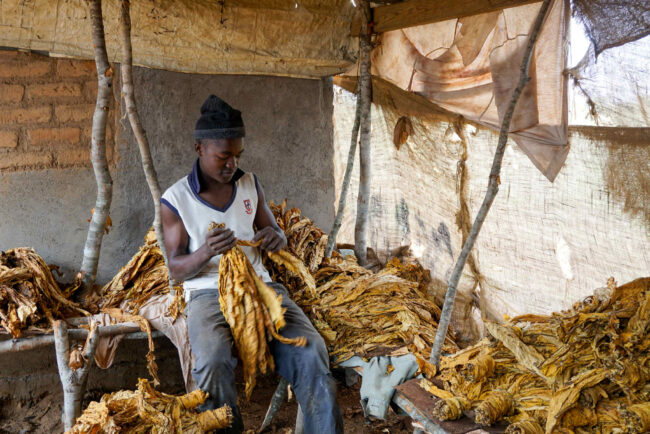
Zimbabwe’s Tobacco Farmers Trapped in a Cycle of Contract Farming
Zimbabwe’s tobacco industry is a vital economic engine, but a system of contract farming is increasingly drawing criticism for its impact on the nation’s smallholder farmers. While providing crucial access to finance and inputs,this system often leaves farmers feeling exploited and lacking control over their livelihoods.This article delves into the complexities of contract farming in zimbabwe, exploring the challenges, potential solutions, and the future for those who cultivate the contry’s “green gold.”
The Grip of Contract Farming
Contract farming dominates Zimbabwe’s tobacco production,with a significant percentage of farmers tied to agreements with processing companies like Premium Leaf Zimbabwe.These contracts dictate nearly every aspect of the farming process, from the seeds you plant to the price you receive for your harvest.Farmers frequently enough report limited agency over their land until the tobacco is sold, raising concerns about fairness and sustainability.
The system emerged as a response to a lack of access to credit and essential resources for many Zimbabwean farmers following land reforms. Companies provide seeds, fertilizers, chemicals, and even extension services in exchange for a guaranteed purchase of the tobacco crop. However, this seemingly beneficial arrangement often comes at a steep cost.
Concerns Over Fairness and Control
Many farmers express feeling “used” by the system. Several key issues contribute to this sentiment:
Limited Land Control: you essentially relinquish control of your land during the growing season,dictated by the terms of the contract.
Input Costs & Quality: Concerns exist regarding inflated prices and the provision of substandard inputs, eroding potential profits.
Price Disparities: Farmers frequently enough feel the final price offered doesn’t reflect the true market value of their tobacco.
Lack of Alternative Financing: Without access to conventional loans or other financial support, farmers feel trapped in contract farming agreements.
Ngoma, a Zimbabwean tobacco farmer, powerfully describes contract farming as “a bondage,” highlighting the restrictive nature of these arrangements.
Government and Industry Responses
Recognizing the growing discontent, the Tobacco Industry Board is attempting to address the imbalances within contract farming. The government is implementing a framework aimed at:
Fair Profit Sharing: Ensuring farmers receive a more equitable share of the profits generated from their crops.
Timely Input Delivery: Guaranteeing farmers receive essential inputs when they are needed.
Input Standards: Setting minimum standards for the quality of inputs provided.
Minimum Input Packages: Establishing a baseline level of support for all contracted farmers.
Furthermore, the Reserve Bank of Zimbabwe now mandates that tobacco farmers retain 70% of their earnings in US dollars. This measure is designed to protect farmers from the devaluation of the local currency.
Pathways to a More Sustainable Future
While acknowledging the need for foreign investment, experts believe further reforms are crucial. Securing rural land rights for all farmers is seen as a vital step. This would unlock access to alternative financing options, reducing reliance on contract farming.
Seremwe, an industry observer, argues that abandoning contract farming entirely isn’t the answer. However, fairer terms and increased transparency are essential. Marongwe, a land expert, emphasizes the importance of empowering farmers with greater control over their land and resources.
The Farmer’s Viewpoint
Neshumba, a farmer currently engaged in contract farming, exemplifies the dilemma faced by many. Despite hoping for better returns, he now feels trapped. He lacks viable alternatives for financing his operation.
For farmers like Ngoma, the ultimate goal is self-financing, breaking free from the constraints of contract farming. Achieving this requires systemic changes that empower farmers and foster a more equitable and sustainable tobacco industry in Zimbabwe.
This situation demands a careful balance between attracting investment and protecting the rights and livelihoods of the farmers who are the backbone of Zimbabwe’s tobacco sector. The future of the industry hinges on finding solutions that benefit all stakeholders, ensuring a prosperous and sustainable future for Zimbabwean tobacco farming.


