
Researchers have developed a new strategy to accelerate the oxygen reduction reaction (ORR) in zinc-air batteries, a breakthrough that addresses the primary technical barrier preventing the large-scale commercial use of these high-capacity energy storage systems. By optimizing the catalytic process that converts oxygen into electricity, scientists aim to reduce the energy loss typically seen during battery discharge.
Zinc-air batteries are increasingly viewed as a viable alternative to lithium-ion technology for stationary energy storage, such as grid-scale power reserves for renewable energy. Unlike traditional batteries that store all reactants internally, zinc-air systems draw oxygen from the surrounding atmosphere. This characteristic allows for a significantly higher energy density and lower overall weight, as the battery does not need to house a heavy oxygen supply.
However, the practical application of this technology has long been hindered by the slow speed of the oxygen reduction reaction (ORR). According to recent electrochemical studies, the ORR is the critical process where oxygen molecules combine with electrons and protons to discharge energy. When this reaction is inefficient, it creates high “overpotential”—a measure of energy wasted as heat rather than being converted into usable electricity—which limits the battery’s power output and lifespan.
How the oxygen reduction reaction limits zinc-air batteries
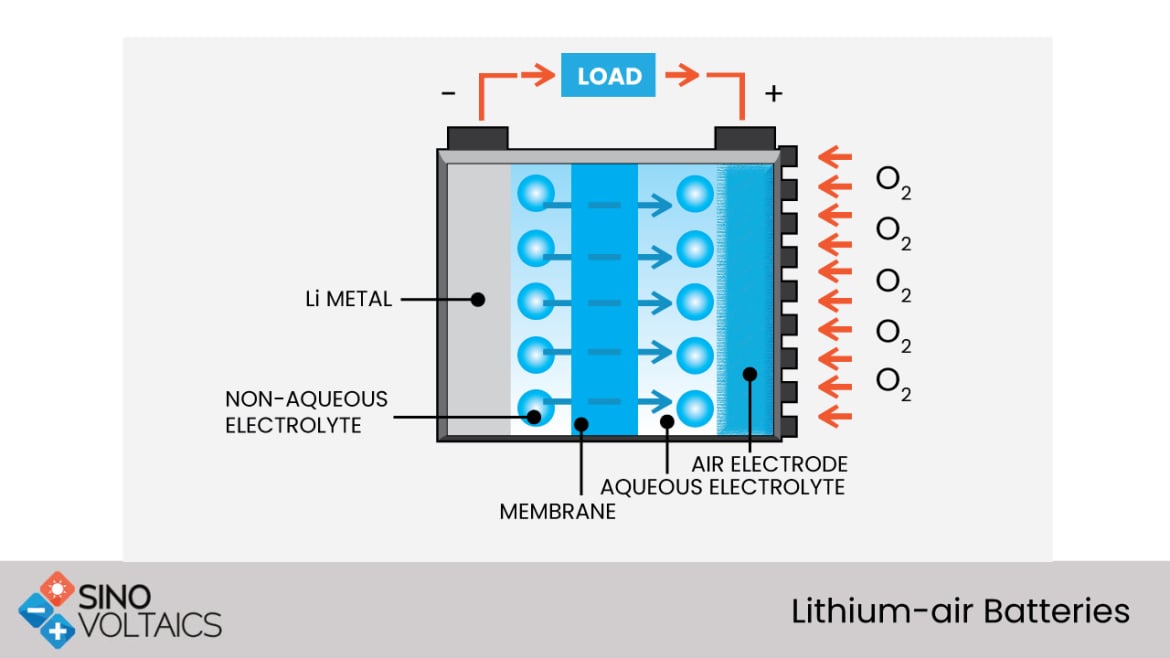
To understand the current bottleneck, it is necessary to examine the electrochemical mechanics of metal-air batteries. In a zinc-air cell, the zinc anode reacts with oxygen at the cathode. The efficiency of this entire system depends on how quickly and cleanly the cathode can process atmospheric oxygen through the ORR.
Current research indicates that the ORR typically follows one of two pathways: a four-electron pathway or a two-electron pathway. The four-electron pathway is highly desirable because it is more efficient, producing water as a byproduct. The two-electron pathway, however, is less efficient and produces hydrogen peroxide, which can degrade the battery components and shorten the device’s operational life. Most existing high-performance cathodes rely on platinum (Pt) to facilitate the four-electron pathway, but the high cost and scarcity of platinum make it impractical for the massive scale required for grid storage.
The technical challenge lies in finding a catalyst that can mimic the efficiency of platinum while using abundant, inexpensive materials. Without an effective catalyst, the oxygen reduction reaction remains too slow to support the high power demands of modern electrical grids or electric vehicle (EV) applications.
The new strategy for enhancing ORR efficiency
The latest scientific approach focuses on the development of non-precious metal catalysts (NPMCs), specifically utilizing nitrogen-doped carbon structures and single-atom catalysts (SACs). Rather than using a solid block of expensive metal, researchers are embedding individual metal atoms—such as iron (Fe) or cobalt (Co)—into a specialized carbon matrix that has been treated with nitrogen.
This nitrogen-doped carbon structure creates specific “active sites” that attract oxygen molecules. When the oxygen reaches these sites, the embedded metal atoms facilitate a much faster electron transfer. This structural design significantly lowers the activation energy required for the ORR to occur, effectively reducing the overpotential. By minimizing this energy gap, the battery can discharge electricity more rapidly and with less thermal waste.
Recent experimental data suggests that these nitrogen-doped materials can achieve ORR activity levels that approach those of platinum-based catalysts. This advancement is critical because it shifts the focus from “how much energy can we store” to “how fast can we access that energy,” which is a vital distinction for stabilizing power grids during sudden shifts in renewable energy production.
The following table compares the traditional catalytic approach with the emerging non-precious metal strategy:
| Feature | Platinum-Based Catalysts | New Nitrogen-Doped/SAC Catalysts |
|---|---|---|
| Material Cost | Extremely High | Low to Moderate |
| Resource Availability | Scarce/Precious Metal | Abundant (Carbon, Iron, Cobalt) |
| ORR Efficiency | Very High | High (Approaching Platinum) |
| Scalability | Limited by Cost | High (Suitable for Grid Scale) |
| Primary Use Case | Small-scale/High-end electronics | Grid-scale storage/Large EVs |
Why this matters for the global energy transition
The shift toward renewable energy sources like wind and solar introduces significant volatility into the electrical grid. Because the sun does not always shine and the wind does not always blow, massive amounts of energy storage are required to maintain a steady supply. While lithium-ion batteries currently dominate this market, they face challenges regarding raw material costs, supply chain stability, and energy density limitations.
Zinc-air batteries offer a compelling alternative for stationary storage. Because zinc is abundant and the oxygen is sourced from the air, the cost per kilowatt-hour (kWh) has the potential to be significantly lower than lithium-based systems. However, a battery is only as useful as its ability to discharge power reliably. By solving the ORR bottleneck, this new catalytic strategy moves zinc-air technology from a laboratory curiosity toward a commercially viable industrial solution.
Furthermore, the environmental impact of battery production is a growing concern for policymakers. Zinc is more widely available and easier to recycle than the cobalt and lithium required for many current high-density batteries. Enhancing the efficiency of zinc-air cells through carbon-based catalysts aligns with the broader industry goal of creating a more circular and sustainable battery economy.
Challenges remaining in zinc-air battery commercialization
Despite the progress in ORR enhancement, several technical hurdles remain before zinc-air batteries can replace existing technologies on a mass scale. One primary concern is the “zinc dendrite” problem. During the recharging process, zinc ions can form needle-like structures called dendrites on the anode. If these dendrites grow too long, they can pierce the separator and cause a short circuit, potentially leading to battery failure or safety risks.
Another challenge involves the long-term stability of the cathode. While nitrogen-doped carbon catalysts show promise in short-term tests, the harsh electrochemical environment inside a battery can cause these materials to degrade over hundreds or thousands of cycles. Maintaining the integrity of the active sites in the catalyst is essential for ensuring the battery lasts for the 10 to 20 years required for grid-scale infrastructure.
Finally, moisture management is a critical factor. Since zinc-air batteries rely on atmospheric oxygen, they must also interact with the air, which introduces humidity. Managing the balance between allowing oxygen to enter the cell and preventing excessive water evaporation or CO2 contamination requires sophisticated membrane engineering.
What happens next for zinc-air technology?
The next phase of development will likely focus on long-term cycling stability and the integration of these new catalysts into full-scale prototype cells. Industry stakeholders are currently monitoring how these nitrogen-doped materials perform in real-world conditions, where temperature fluctuations and air impurities are present.
As research institutions and private battery manufacturers continue to refine the electrochemical properties of the ORR, the timeline for widespread zinc-air adoption may accelerate. Watch for upcoming pilot projects involving grid-scale storage facilities that test the durability of non-precious metal-air systems in varying climates.
For more updates on battery technology and energy storage breakthroughs, follow our tech section for daily reporting on the transition to sustainable energy.
What are your thoughts on the move toward zinc-air batteries for grid storage? Share this article and join the conversation in the comments below.
Worth a look