
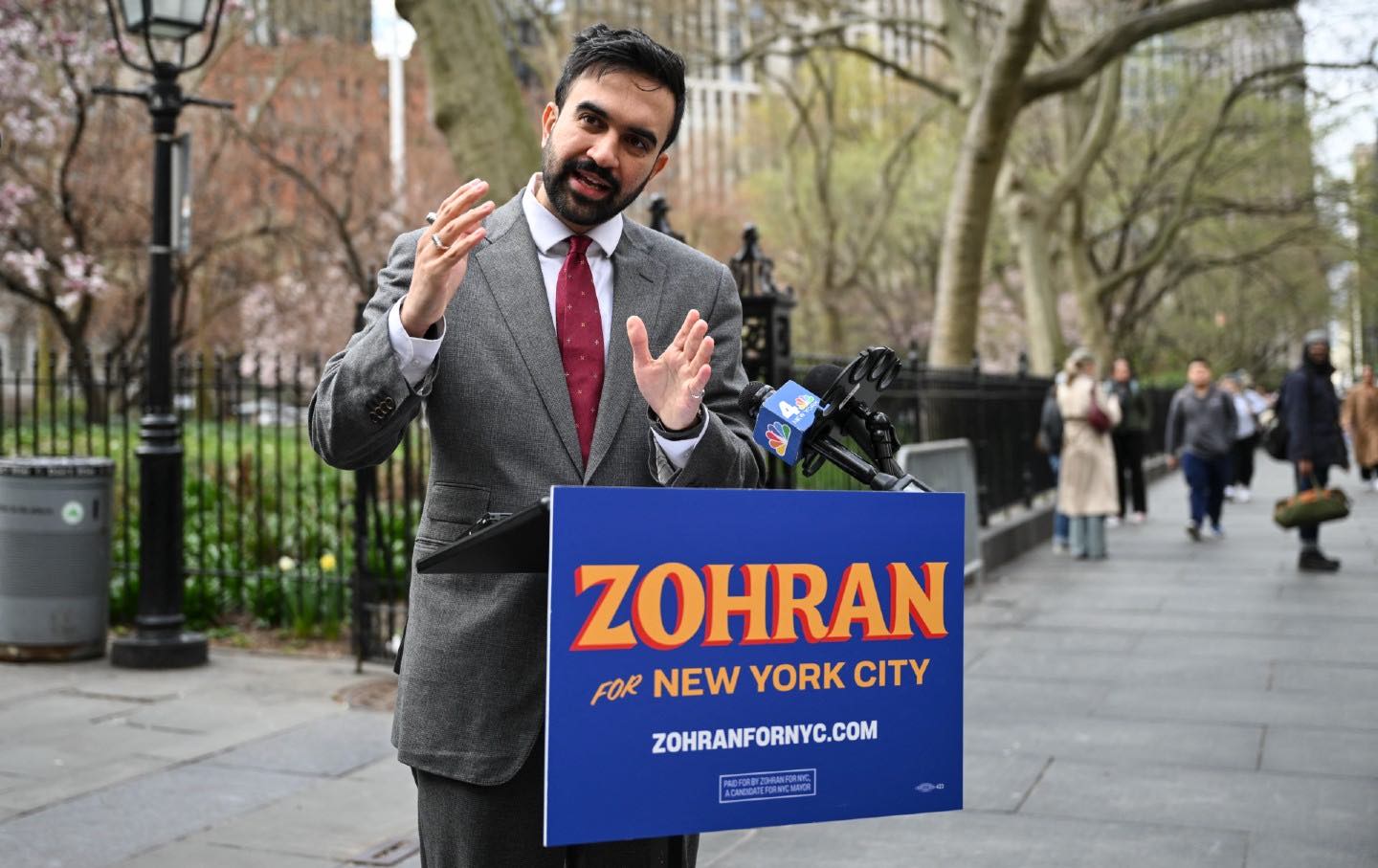
New York City’s political landscape is experiencing a shift as progressive, socialist-aligned candidates continue to secure victories in local Democratic primary contests. These electoral successes, particularly in races involving challengers backed by the New York City chapter of the Democratic Socialists of America (DSA), are reshaping the party’s internal dynamics and influencing policy debates across the five boroughs, according to New York State Assemblyman Zohran Mamdani, a central figure in this movement.
The recent primary results underscore a growing appetite among portions of the urban electorate for policies centered on housing reform, public transit, and progressive taxation. While the Democratic Party in New York remains a broad coalition, the consistent performance of candidates aligned with the left wing of the party has introduced new challenges for moderate incumbents and established party leadership, as reported by The New York Times.
The Rise of Progressive Challenges in New York City
The strategy employed by the progressive wing, led by figures like Assemblyman Mamdani, focuses on grassroots organizing and mobilization around specific, localized issues. By emphasizing tenant rights and the expansion of public services, these candidates have managed to unseat or significantly narrow the margins of victory for more traditional Democratic candidates in recent cycles, according to data from the New York City Board of Elections.
Observers note that these victories are not merely isolated incidents but part of a broader, multi-year effort to shift the ideological center of the party. The focus remains on building a durable infrastructure that can compete in low-turnout primary elections, where dedicated voter bases often decide the outcome. This approach has proven effective in districts where housing affordability is the primary concern for residents, as noted in analysis provided by Gothamist.
Impact on Policy and Internal Party Tensions
The influence of these electoral successes extends beyond the ballot box and into the legislative chambers of Albany and City Hall. The presence of a more vocal, organized left wing has forced a recalibration of legislative priorities, particularly regarding rent stabilization laws and public infrastructure funding. According to the Housing Stability and Tenant Protection Act of 2019, which remains a benchmark for progressive policy in the state, the legislative environment is increasingly shaped by the demands of tenant advocacy groups and their political allies.
This shift has also exacerbated tensions within the Democratic Party regarding foreign policy, specifically concerning the Israeli-Palestinian conflict. As some progressive candidates have adopted more critical stances toward the Israeli government, they have faced significant pushback from moderate Democrats and established pro-Israel lobbying groups. This dynamic has turned local primaries into proxies for broader national and international debates, as documented by reports from Reuters.
What Happens Next in the Political Cycle
With the primary season concluding, the focus for all factions of the Democratic Party now shifts toward the general election. The challenge for progressive candidates who succeeded in the primaries will be to maintain their coalition while appealing to a broader, more diverse electorate in the general election, where turnout is typically higher and more moderate. According to the New York State Board of Elections, the general election is scheduled for November 5, 2024.
Political analysts will be watching closely to see if the momentum of the progressive wing translates into broader legislative influence or if it faces a “ceiling” in more moderate or conservative-leaning districts. The ability of the Democratic Party to bridge these internal ideological divides will likely determine its effectiveness in the upcoming legislative session. For official updates on district maps and candidate filings, voters are encouraged to consult the resources provided by the NYC Civic Engagement Commission.
We invite our readers to share their perspectives on the changing dynamics of local politics in the comments section below. How do you see these electoral trends affecting the future of policy-making in New York?
Keep reading