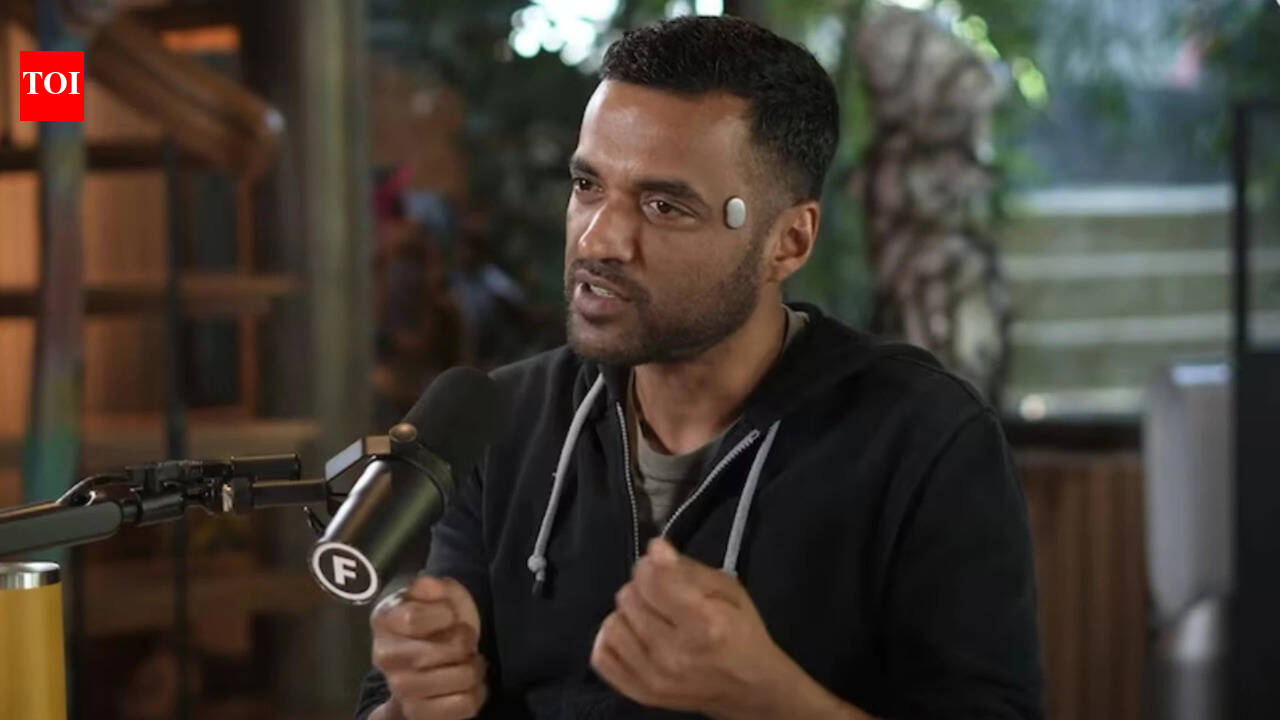
Sofia, Bulgaria – The tech world is buzzing over the unconventional hiring practices of Deepinder Goyal, the founder of Zomato and now the driving force behind a new health-tech startup called Temple. Goyal has announced a search for engineers and scientists, but with a striking caveat: prospective employees must demonstrate a commitment to physical fitness, specifically maintaining a body fat percentage of under 16% for men and 26% for women. While candidates who don’t currently meet these standards are still welcome to apply, they will be placed on a three-month probationary period to achieve the required levels. This unusual approach has sparked considerable debate online, raising questions about the intersection of physical health, professional aptitude, and potential biases in the hiring process.
Temple, shrouded in some secrecy, is developing what Goyal describes as “the ultimate wearable for elite performance athletes.” The device, a small clip-on sensor worn near the temple, aims to measure physiological metrics with a precision currently unavailable in existing consumer technology. Goyal’s personal interest in the project stems from his own research into health optimization and a theory he calls the “Gravity Ageing Hypothesis,” suggesting a link between gravitational forces and the aging process. The company’s focus on pushing the boundaries of athletic performance is clearly reflected in its stringent hiring criteria, signaling a company culture deeply invested in the physical well-being of its team.
Temple’s Ambitious Tech Stack and the Demand for “Athlete-Engineers”
The roles Temple is currently seeking to fill span a wide range of highly specialized engineering disciplines. The company is actively recruiting Analog Systems Engineers, Embedded Systems Engineers, Computational Neuroscientists, Brain-Computer Interface (BCI) Engineers, Neural Decoding Researchers, Computer Vision Engineers, and Neuroimaging Machine Learning (ML) Engineers. Beyond technical expertise, Goyal is explicitly looking for individuals who embody the spirit of high performance, describing his ideal hires as “engineers who are also athletes.” He emphasized the importance of employees personally experiencing and refining the technology they create, stating they should “wear what they build, and hate it until it’s perfect.” The company is also seeking product managers capable of independent work, specifically those who can navigate design software like Figma without constant reliance on designers.
The emphasis on a physically fit workforce isn’t merely aesthetic; it’s tied to the core mission of Temple. Goyal articulated this in a post on X (formerly Twitter), stating, “We are building for people who push their bodies to the edge. We want to be those people, not just serve them.” This suggests that the team’s personal understanding of physical limits and optimization will be crucial in developing a wearable capable of accurately tracking and enhancing athletic performance. The device itself, frequently spotted on Goyal during public appearances, including podcasts, is designed to measure brain blood flow in real-time, a metric the company believes is key to unlocking new levels of athletic potential.
We are building for people who push their bodies to the edge. We want to be those people, not just serve them. https://t.co/wJ9wJqJq9q
— Deepinder Goyal (@deepindergoyal) February 26, 2026
The “Gravity Ageing Hypothesis” and Temple’s Unique Approach to Wearable Technology
The foundation of Temple’s technology lies in Goyal’s “Gravity Ageing Hypothesis,” a personal research project exploring the impact of gravitational forces on the human body and the aging process. While the specifics of this hypothesis remain largely undisclosed, it appears to center on the idea that mitigating the effects of gravity can lead to improved health and performance. The wearable device being developed by Temple is intended to provide continuous, real-time data on brain blood flow, a metric Goyal believes is crucial to understanding and optimizing physiological responses to physical stress. This focus on brain blood flow differentiates Temple’s technology from existing wearables, which primarily track metrics like heart rate, activity levels, and sleep patterns.
Goyal has stated that Temple aims to measure metrics “no other wearable” currently tracks, with a level of precision that surpasses existing technology. This ambition requires a highly specialized engineering team capable of tackling complex challenges in areas like sensor development, data analysis, and machine learning. The company’s emphasis on recruiting individuals with both technical expertise and a commitment to physical fitness underscores its belief that a deep understanding of the human body is essential to creating truly innovative wearable technology. The device is currently in the research prototype phase, indicating that it is still under development and not yet available for commercial sale.
Social Media Reaction and Ethical Considerations
Goyal’s announcement of Temple’s hiring criteria quickly went viral on social media, eliciting a range of reactions. Many users expressed amusement at the unconventional requirement, with some joking that the company was setting a higher bar for body fat percentage than for the release of the highly anticipated video game, Grand Theft Auto 6. However, the post also sparked a more serious debate about the potential for discrimination in hiring practices. Some commentators questioned whether the body fat requirement could unfairly exclude qualified candidates, particularly those with medical conditions or different body types. NDTV reported on the social media response, highlighting the divided opinions.
Experts in employment law have noted that while employers generally have the right to set reasonable job requirements, criteria that disproportionately impact protected groups could be considered discriminatory. It remains to be seen whether Temple’s hiring practices will face legal challenges, but the controversy underscores the importance of carefully considering the ethical implications of unconventional hiring policies. The company has not yet responded to specific concerns about potential discrimination, but Goyal’s emphasis on finding “athletes” rather than simply individuals with low body fat percentages suggests a focus on overall physical capability rather than purely aesthetic standards.
The Broader Context of Health-Tech and Wearable Innovation
Temple’s emergence reflects a growing trend in the health-tech industry towards more sophisticated and personalized wearable devices. Companies like Apple, Fitbit, and Garmin have already established a strong presence in the consumer wearable market, offering devices that track a wide range of health metrics. However, Temple aims to differentiate itself by focusing on metrics that are currently unavailable or imprecisely measured by existing technology, particularly those related to brain function and physiological response to stress. The company’s emphasis on elite athletic performance suggests a potential target market of professional athletes, coaches, and sports scientists seeking to gain a competitive edge.
The development of advanced wearable technology is also being driven by advancements in areas like sensor technology, data analytics, and artificial intelligence. The ability to collect and analyze vast amounts of physiological data in real-time opens up new possibilities for personalized health monitoring, performance optimization, and disease prevention. However, it also raises crucial questions about data privacy, security, and the potential for misuse of sensitive health information. As the health-tech industry continues to evolve, it will be crucial to address these ethical and regulatory challenges to ensure that these technologies are used responsibly and for the benefit of all.
Looking ahead, Temple’s progress will be closely watched by both the tech industry and the athletic community. The company’s success will depend on its ability to deliver on its ambitious promises of creating a wearable device that truly unlocks new levels of athletic performance. Further updates on the development and testing of the device, as well as the company’s hiring process, are expected in the coming months. Interested candidates can find more information about open positions on the company’s website, though details regarding the body fat measurement process remain unclear.
Key Takeaways:
- Deepinder Goyal’s new health-tech startup, Temple, is seeking engineers and scientists with a body fat percentage under 16% (men) or 26% (women).
- The company is developing a wearable device designed to measure brain blood flow and other metrics not currently tracked by existing technology.
- Goyal’s “Gravity Ageing Hypothesis” informs the company’s research into health optimization and the impact of gravitational forces on the body.
- The hiring criteria have sparked debate about potential discrimination and the ethical implications of unconventional hiring practices.
- Temple aims to target elite athletes and individuals seeking to push the boundaries of physical performance.
Do you think Temple’s hiring practices are justified, or do they raise ethical concerns? Share your thoughts in the comments below. Don’t forget to share this article with your network!
Keep reading