
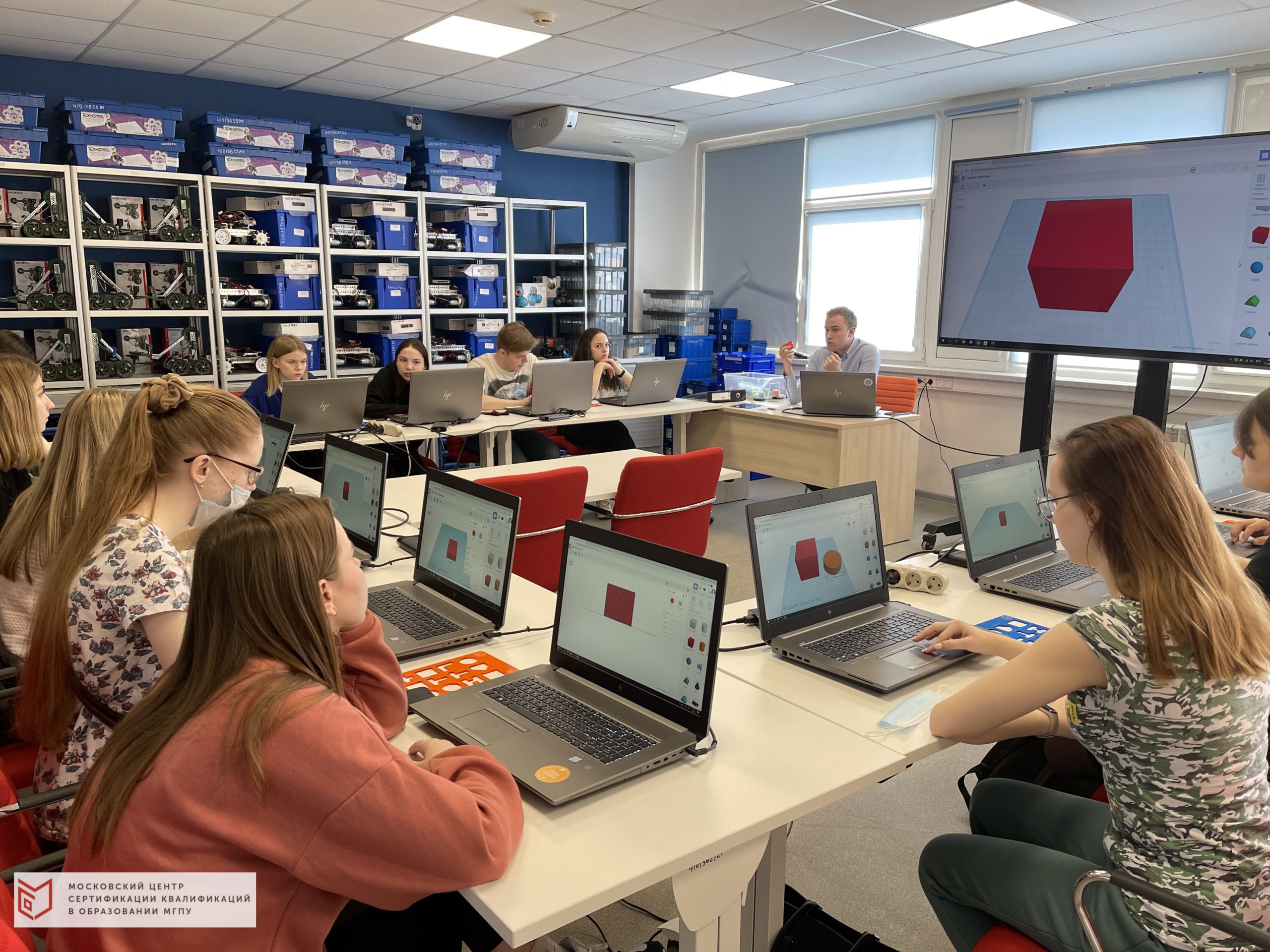
Moscow’s pre-professional education project integrates digital technologies and robots into the curriculum as tools for learning through experience. The program operates through partnerships between schools, universities, and corporate entities. The initiative allows students to gain hands-on experience with equipment while still in secondary school.
The Structural Framework of Pre-Professional Education
The project functions by establishing specialized classes within general education schools. Students engage in project-based learning where digital modeling, 3D printing, and robotics serve as tools for solving real-world engineering or scientific problems. This pedagogical approach is intended to transition students from theoretical understanding to applied technical proficiency.
By incorporating professional equipment—ranging from laser cutters to programmable robotic arms—the program simulates a professional work environment. Participating institutions provide curricula that are reviewed by industry experts to ensure that skills taught in the classroom match the requirements of technology firms and research centers.
Digital Integration and Robotics in the Classroom
Robotics serves as a vehicle for teaching multidisciplinary concepts, including programming, mechanics, and electronics. These digital tools are essential components of the broader curriculum. In engineering-focused classes, students are often tasked with designing and assembling autonomous robotic systems, which requires them to integrate sensor data with mechanical movement.
The use of digital twins and simulation software has also become a feature. These platforms allow students to test designs in a virtual environment before manufacturing physical prototypes. This method provides students with a realistic understanding of the iterative design process.
Stakeholder Collaboration and Career Readiness
The success of the project is largely attributed to the participation of universities and corporations. Institutions provide mentorship and access to laboratory facilities. Simultaneously, corporate partners offer internships, guest lectures, and specialized training modules that provide students with a perspective on professional career trajectories.
This collaborative ecosystem helps students make informed career choices by exposing them to the realities of various industries, and it allows employers to identify potential talent. The program also includes professional certification exams, which provide students with credentials recognized by participating university partners and industry employers.
Future Outlook and Program Development
As the program continues to expand, the focus is shifting toward increasing the availability of high-tech laboratory equipment in schools. The integration of artificial intelligence and machine learning modules is the next phase of development for the project, as educators work to align the curriculum with the evolution of technology. The Moscow government maintains an ongoing monitoring process to assess the effectiveness of these pedagogical strategies, with regular adjustments made based on feedback from university faculty and corporate partners.
The next phase of program expansion and the announcement of new partner firms are expected to be detailed in reports released via the official Moscow city education portal. Readers are encouraged to monitor the official project website for updates on enrollment cycles and upcoming career orientation events.