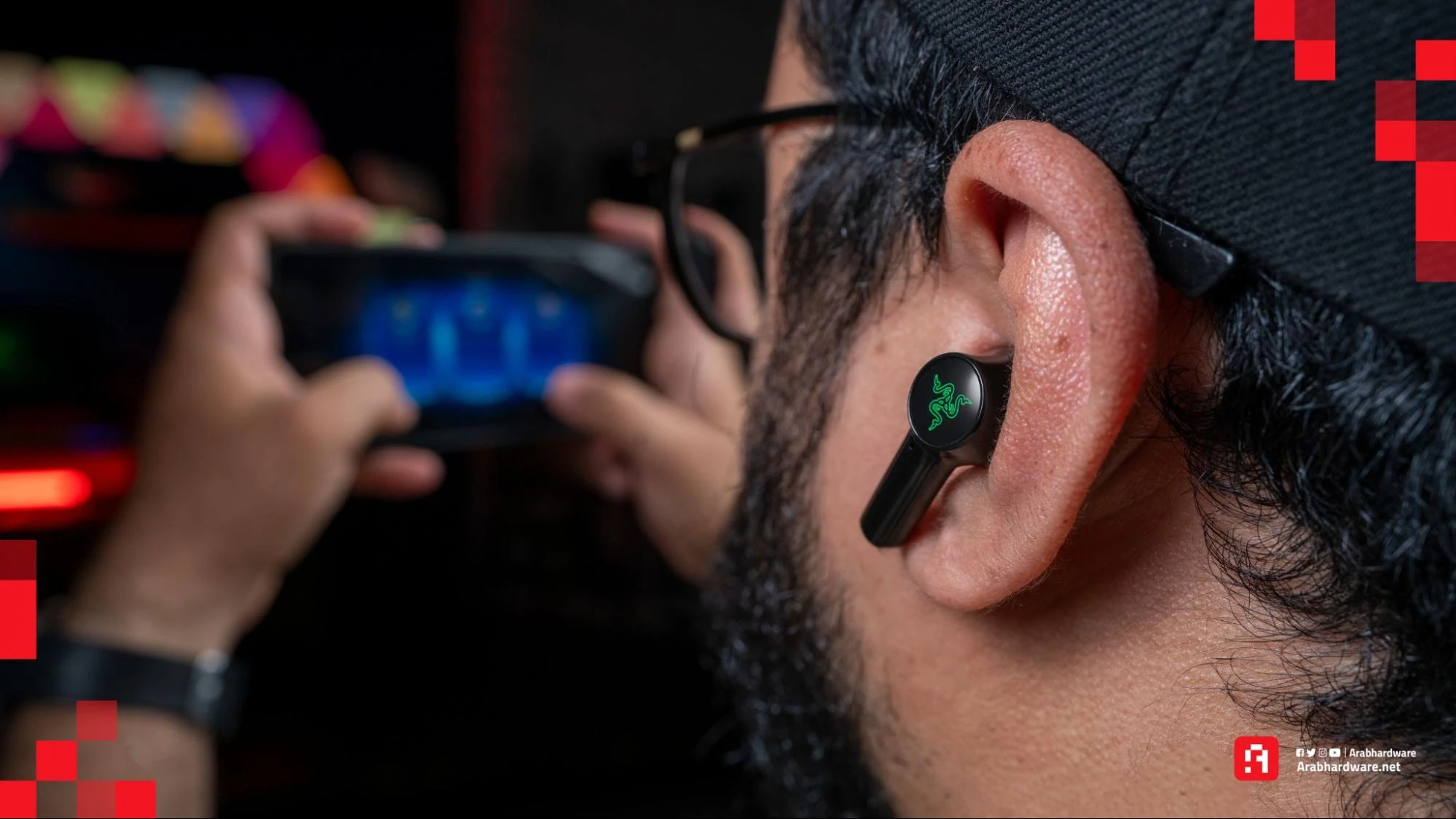
The Razer Hammerhead series represents a specialized segment of the mobile audio market, focusing on low-latency performance and integration with the broader Razer hardware ecosystem. Designed primarily for mobile gamers and users seeking a compact form factor, these earbuds emphasize synchronization between audio and visual output—a critical requirement for competitive gaming environments. According to official product documentation from Razer, the current lineup utilizes proprietary wireless technologies to reduce audio lag, distinguishing them from standard consumer-grade Bluetooth earbuds that may prioritize battery life or general media playback over real-time responsiveness.
Razer’s approach to the Hammerhead line, including iterations like the Hammerhead Pro HyperSpeed and the standard True Wireless models, centers on the integration of its signature chroma lighting and software-based customization. As noted in the company’s technical specifications, the integration with the Razer Audio App allows users to adjust equalizer settings, remap touch controls, and manage Active Noise Cancellation (ANC) levels. This software-centric design is intended to bridge the gap between desktop gaming peripherals and mobile audio solutions, catering to a user base that demands consistency across their hardware suite.
Technical Specifications and Performance
The core appeal of the Razer Hammerhead series lies in its hardware-software synergy. A primary feature across the Pro models is the inclusion of a 2.4GHz USB-C dongle, which facilitates a connection that Razer claims bypasses the latency limitations typically associated with standard Bluetooth codecs. Industry testing, such as that conducted by SoundGuys, indicates that while Bluetooth remains a standard for convenience, the inclusion of a dedicated wireless dongle provides a measurable reduction in latency, effectively bringing mobile performance closer to that of wired headsets. This is particularly relevant for users engaged in high-frame-rate mobile gaming where audio cues are essential for reaction times.
The hardware build also incorporates hybrid Active Noise Cancellation. By utilizing both feedforward and feedback microphones, the earbuds monitor ambient noise and generate an inverse sound wave to neutralize it. This system is adjustable via the Razer Audio App, allowing users to move between “ANC On,” “Ambient,” and “ANC Off” modes. This level of control is a standard expectation in the premium true wireless market, but Razer differentiates its implementation by tying the settings to its gaming-focused equalizer presets, such as “FPS” or “Bass Boost,” which are accessible through the company’s official mobile application.
Design and Ergonomics
The physical design of the Razer Hammerhead series follows a “stem” style, which is common in the industry but modified with Razer’s specific aesthetic cues. The inclusion of RGB lighting—often referred to as Razer Chroma RGB—is a distinguishing visual feature. While this lighting adds a distinct brand identity, it also impacts power consumption. According to Razer’s user manuals, the battery life of the earbuds is rated differently depending on whether lighting and ANC are active, with total playback time varying accordingly when using the provided charging case.

Ergonomics play a significant role in long-term comfort. The earbuds ship with multiple sizes of silicone tips to ensure a proper seal, which is necessary for the efficacy of the passive noise isolation and the performance of the ANC. From a hardware engineering perspective, the weight distribution of the earbuds is balanced to keep them secure during movement, though individual fit remains subject to user anatomy. The charging case itself is designed for portability, fitting into standard pocket sizes, which aligns with the product’s positioning as an on-the-go mobile accessory.
Market Positioning and Ecosystem
Razer occupies a unique position in the audio market by targeting the intersection of “gamer” aesthetics and “prosumer” audio performance. Unlike traditional audio-focused manufacturers that emphasize neutral sound signatures or high-fidelity audio codecs like LDAC or aptX Lossless, Razer prioritizes low-latency connectivity and platform-specific software features. For users invested in the Razer ecosystem, the ability to sync lighting effects across a PC setup and mobile earbuds offers a cohesive brand experience.

However, users should consider the trade-offs. The reliance on the Razer Audio App for full feature functionality means that users must be comfortable with additional software permissions on their mobile devices. Furthermore, the specialized features like the 2.4GHz dongle are primarily effective for gaming; for general music consumption, the standard Bluetooth functionality is the primary interface. As the mobile gaming market continues to expand, the competition in this space—from brands like ASUS ROG and Logitech G—has intensified, leading to frequent updates in firmware and feature sets. Users can monitor the Razer Support portal for the latest firmware updates, which are periodically released to address connectivity stability and audio profile adjustments.
The next major update for the Razer audio ecosystem will likely involve further refinements to Bluetooth LE Audio compatibility, as the industry moves toward standardized low-latency protocols. Readers interested in the latest developments are encouraged to check for official release notes on the Razer website or follow the company’s announcements regarding new hardware iterations. Join the discussion below to share your experiences with mobile gaming audio or to ask questions about specific model compatibility.
Worth a look