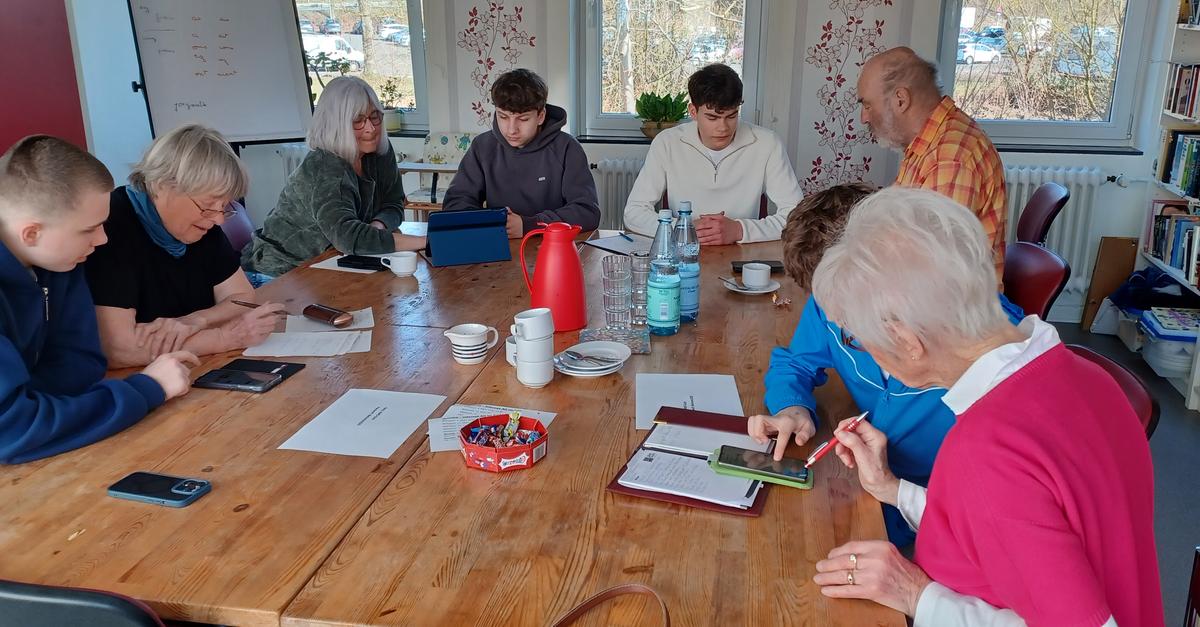
Students in Herborn, Germany, are continuing a long-standing local initiative to bridge the digital divide by providing technical support and smartphone training to senior citizens. This intergenerational project, which pairs tech-savvy pupils with older residents, aims to help seniors navigate modern communication tools, social media, and internet safety in an increasingly digital world.
The program serves as a practical response to the growing necessity of digital literacy among older populations. By fostering direct, one-on-one interaction, the initiative moves beyond abstract technical lessons to address the specific, everyday challenges seniors face when using mobile devices and computers. According to regional reports from the Lahn-Dill district, these collaborative efforts have become a fixture in the community, reflecting a broader regional commitment to digital inclusion across Hesse.
Bridging the Digital Gap Through Intergenerational Learning
The core of the Herborn initiative relies on the mentorship of younger students who possess intuitive knowledge of modern software and hardware. For many participants, the primary goal is to demystify complex device interfaces and provide guidance on essential tasks, such as setting up messaging apps, managing digital photos, and identifying common online security risks. This approach aligns with broader educational trends in Germany that emphasize social engagement and community service as part of the student experience.
Research from the Federal Statistical Office of Germany indicates that while internet usage among older age groups has increased steadily over the last decade, a significant portion of the population over 65 still reports needing assistance with advanced digital functions. Local programs like the one in Herborn address this by providing a low-pressure environment where questions can be asked repeatedly without the frustration often associated with independent troubleshooting.
The Social Impact of Digital Inclusion in Hesse
Beyond the technical skills being taught, the program serves a secondary, equally important function: social connection. The interaction between the younger and older generations helps to reduce the isolation that can sometimes accompany the digital transition for retirees. By utilizing local community centers and school-based outreach, the project ensures that technology becomes a tool for connection rather than a barrier.
The State of Hesse has previously supported various initiatives aimed at digital participation, often highlighting the importance of media literacy for all age groups. In Herborn, the continuity of the student-led support sessions is attributed to the sustained cooperation between school administrations and local social services, which recognize that digital literacy is now a prerequisite for accessing many public services, banking, and health information portals.
Practical Steps for Seniors and Tech Learners
For those looking to improve their digital skills, the most effective approach remains hands-on practice supported by a mentor. Experts typically advise focusing on three key areas to improve confidence:
- Security Basics: Learning to recognize phishing attempts and understanding the importance of strong, unique passwords for different accounts.
- Communication Tools: Mastering video calling software, which has become the standard for keeping in touch with family members living at a distance.
- Device Maintenance: Understanding how to perform basic software updates and manage storage space to keep devices running smoothly.
The Verbraucherzentrale, Germany’s consumer protection agency, frequently updates resources for seniors regarding safe internet usage, providing a reliable reference point for those who cannot access local, in-person training. These resources are designed to complement the type of peer-to-peer instruction currently taking place in Herborn.
Future Developments and Community Support
The program in Herborn is expected to continue throughout the academic year, with organizers planning additional sessions to accommodate new participants. As the demand for digital support grows, local authorities are monitoring the success of these student-led models to determine if they can be scaled or replicated in other municipalities within the Lahn-Dill-Kreis region. Interested residents are encouraged to contact their local community centers or municipal administration offices for the most current schedules and registration details for upcoming workshops.
As these students continue their work, the focus remains on ensuring that no resident is left behind in the transition to a digital-first society. By leveraging the skills of the younger generation, Herborn is creating a sustainable model for community-based technical education. Readers are invited to share their own experiences with similar digital literacy programs in the comments section below.
Related reading