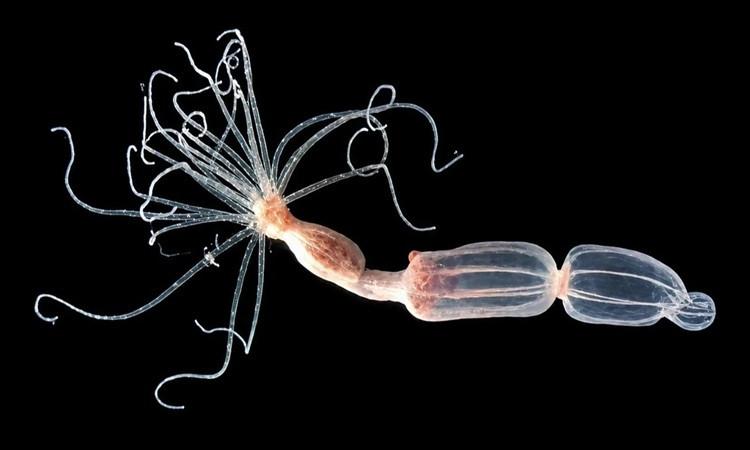
Marine biologists have identified a unique immunological mechanism in sea anemones that allows these ancient organisms to neutralize viral threats, a discovery that offers new insights into the evolutionary history of innate immunity. The research, published in the journal Nature Communications, details how the starlet sea anemone (Nematostella vectensis) utilizes a specific protein pathway to defend against viral infections, functioning in a manner previously unrecognized in such simple life forms.
According to the study led by researchers at the University of California, Berkeley, this defense system highlights how early metazoans—multicellular organisms—developed complex strategies to survive environmental pathogens long before the emergence of more sophisticated adaptive immune systems found in vertebrates.
How Sea Anemones Block Viral Replication
The research team found that Nematostella vectensis employs a protein known as "cGAS" (cyclic GMP-AMP synthase) to detect foreign DNA within its cells. This mechanism is remarkably similar to the pathway used by humans and other mammals to trigger an immune response. When the anemone detects viral DNA, the cGAS protein produces a signaling molecule that activates an interferon-like response, effectively halting the spread of the virus.
This finding is significant because it suggests that the core machinery for detecting DNA-based pathogens is much older than previously thought. As noted by the study authors, the presence of this pathway in sea anemones—which diverged from the lineage leading to humans over 600 million years ago—indicates that this defense system is an ancestral trait preserved through deep evolutionary time.
Evolutionary Significance of Innate Immunity
In the field of immunology, innate immunity serves as the first line of defense for all animals. Unlike adaptive immunity, which learns to recognize specific pathogens, innate immunity relies on generalized sensors to identify common molecular patterns associated with invaders. The discovery that sea anemones possess a highly specific, DNA-sensing mechanism suggests that early ocean-dwelling organisms were under significant selective pressure to evolve robust antiviral defenses.
Dr. Helena Fischer, Editor of Health at World Today Journal, notes that such findings are vital for understanding the baseline of human health. By studying how organisms like sea anemones manage viral loads, scientists can better map the evolution of human inflammatory responses. The researchers observed that the anemone’s ability to distinguish between its own DNA and viral DNA is highly efficient, a process that continues to be a subject of intense study in autoimmune disease research.
Future Directions in Immunological Research
The implications of this study extend beyond marine biology. By identifying the specific proteins involved in the anemone’s immune response, researchers may be able to draw parallels with human immune disorders where DNA-sensing pathways become overactive. This could eventually lead to new therapeutic targets for conditions that involve chronic inflammation or autoinflammatory diseases.

The University of California, Berkeley team emphasized that while the mechanism is ancient, further experimental work is required to determine if similar pathways exist in other cnidarians, such as corals and jellyfish. Future investigations will likely focus on the structural biology of these proteins to see how they have been refined—or repurposed—throughout the hundreds of millions of years of animal evolution.
Frequently Asked Questions
- Why is this discovery important? It confirms that complex antiviral DNA-sensing mechanisms are an ancient evolutionary development, predating the rise of modern vertebrates.
- Are sea anemones similar to humans immunologically? While they are vastly different, they share fundamental molecular pathways for detecting and responding to viral threats, which serves as a model for studying basic immune function.
- What does this mean for human medicine? Understanding these ancestral pathways provides a clearer picture of how immune systems evolved, which may eventually inform research into human autoinflammatory conditions.
As the scientific community continues to analyze these findings, further updates on the role of cGAS and related proteins in non-model organisms are expected in upcoming peer-reviewed reports. Readers interested in the latest developments in evolutionary immunology can monitor updates from the Nature portfolio of journals for subsequent research publications.
Have thoughts on the evolution of immune systems? Please share your comments below and join the conversation on our social media platforms.