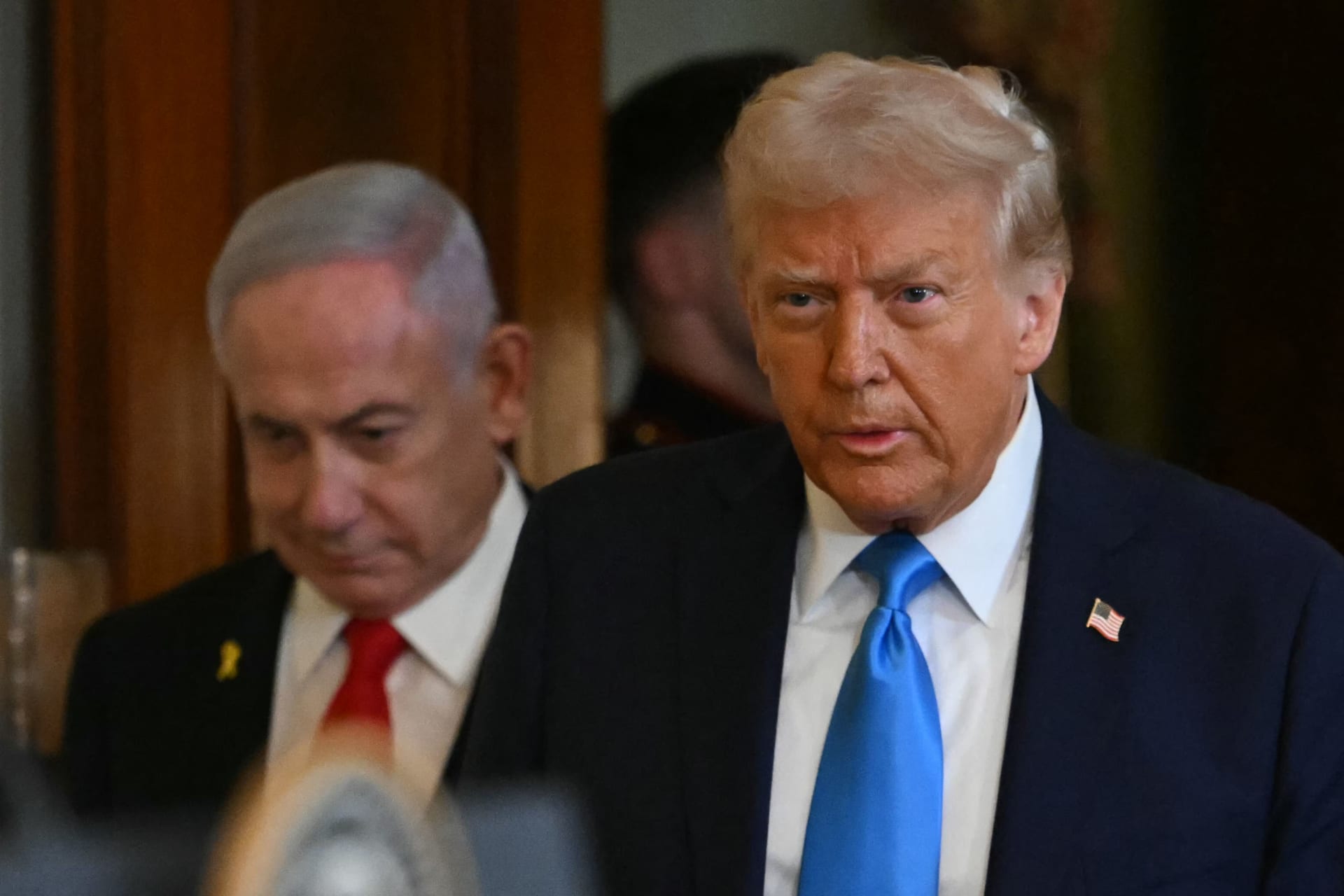
Prime Minister Benjamin Netanyahu is reportedly awaiting a “green light” from Donald Trump to launch a limited military operation targeting the Ali al-Tahir heights in southern Lebanon, according to reports from Al Arabiya and regional news agencies. The proposed move focuses on securing strategic high ground and neutralizing Hezbollah tunnel networks in the area.
The operation centers on the Ali al-Tahir hill, a geographic vantage point. Reports indicate that Israel refuses to withdraw from specific tactical positions until these “tunnel pockets” are cleared.
The coordination with the incoming Trump administration suggests a shift in tactical alignment. Sources indicate that Netanyahu is seeking a clear understanding of the U.S. position on “limited” incursions.
Why the Ali al-Tahir Heights Are Strategically Critical
The Ali al-Tahir hill provides a dominant view of the surrounding valley. According to reports from Al Hurra, the area has become a point of contention due to its role as a natural fortress that can be used to launch attacks or hide missile launchers.
By controlling the Ali al-Tahir heights, the IDF can effectively limit the operational space available to Hezbollah. The refusal to withdraw from these positions is framed by Israeli officials as a necessary precaution.
The Siege of Tunnels at Qalaat al-Shaqif
A significant component of the proposed limited operation involves the area surrounding Qalaat al-Shaqif, a site where the IDF has identified extensive tunnel networks. According to reports from ANF and Lebanon Debate, Israeli estimates suggest that dozens of Hezbollah fighters remain trapped within these tunnels.
Reports indicate that more than 30 Hezbollah operatives are currently besieged in the Ali al-Tahir and Qalaat al-Shaqif tunnel systems. The IDF has reportedly adopted a strategy of containment, refusing to withdraw from the surface.
The situation at Qalaat al-Shaqif highlights the complexity of the “tunnel war.” These networks are not merely transit routes but are fortified bunkers.
Coordination Between Netanyahu and the Trump Administration
The timing of this potential operation coincides with the transition of power in Washington. Prime Minister Netanyahu has historically maintained a close relationship with Donald Trump, and reports from Al Arabiya suggest that the Israeli government believes the incoming administration may offer more leeway for “targeted” military actions.
The “green light” sought by Netanyahu is likely a confirmation that a limited operation in southern Lebanon would not be viewed as a violation of U.S.-brokered ceasefire terms.
The Impact on the Lebanon Ceasefire Framework
The potential for a “limited operation” introduces a variable into the ceasefire negotiations. An operation targeting Ali al-Tahir would, by definition, involve a temporary increase in military activity or a refusal to vacate a specific zone.
If the IDF continues to hold the Ali al-Tahir heights and the Qalaat al-Shaqif area, it could lead to a stalemate in the withdrawal process.
Comparing the Tactical Approaches: Containment vs. Clearance
The current Israeli approach in southern Lebanon shows a clear distinction between two tactical goals: the clearance of the surface and the containment of the subterranean.
- Surface Clearance: The IDF has moved through many villages, establishing control and identifying Hezbollah assets.
- Subterranean Containment: In areas like Qalaat al-Shaqif, the IDF is using a siege-like approach to trap fighters, as reported by regional outlets.
This duality creates a contradiction in the ceasefire timeline. While the “surface” may appear quiet, the “underground” war continues, necessitating the specific approvals Netanyahu is seeking from the U.S.
Further updates on the status of the Ali al-Tahir heights and the progress of the ceasefire are expected as the U.S. administration transition nears completion and the United Nations Interim Force in Lebanon (UNIFIL) continues its monitoring missions along the Blue Line.
We invite readers to share their perspectives on the strategic balance in southern Lebanon in the comments below.