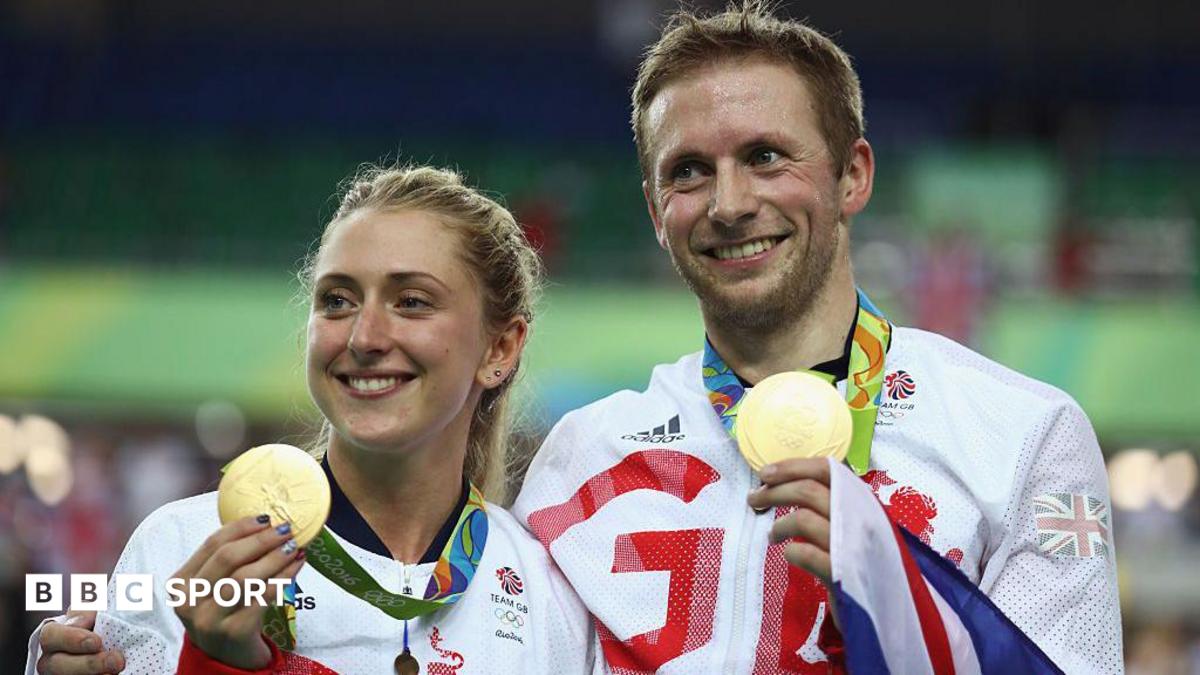
A growing coalition of high-profile British Olympians and Paralympians has publicly voiced support for a potential bid to bring the Olympic and Paralympic Games to the north of England. The proposal, which aims to leverage the region’s established sporting infrastructure and cultural history, is being framed by its proponents as an opportunity to decentralize major international events away from the traditional focus on London.
Supporters of the initiative, including various medalists and former competitors, argue that the north of England possesses a distinct identity and a deep-seated enthusiasm for global sporting competition. The campaign is currently in its exploratory phase, with organizers emphasizing that the region’s capacity to host large-scale events has been demonstrated through previous international competitions held in cities like Manchester and Sheffield.
As a sports editor who has covered international athletics for over 13 years, I have seen how regional bids often serve as catalysts for urban regeneration and improved transit infrastructure. While the International Olympic Committee (IOC) has moved toward more flexible, lower-cost bidding processes under its “New Norm” reforms, any successful bid for a region like Northern England would require significant coordination between municipal authorities, the UK government, and national sports governing bodies.
The Case for a Northern Games
The core argument for a northern bid centers on the region’s existing sports ecosystem. Cities such as Manchester, which hosted the 2002 Commonwealth Games, and the wider region have a track record of managing high-volume athlete populations and international media requirements. Supporters contend that the “passion for sport” in the north—often cited as a defining cultural characteristic—would ensure high attendance rates and a unique atmosphere that differs from the capital-centric model of 2012.

Furthermore, the shift toward sustainable bidding models means that new construction is less of a priority than the utilization of existing venues. According to the International Olympic Committee’s strategic roadmap, host cities are encouraged to prioritize long-term development plans that integrate sporting facilities into the daily life of the community rather than creating temporary “white elephant” structures.
Infrastructure and Logistical Challenges
Any proposal for a regional Games must address the complexities of multi-city logistics. Unlike a single-city host model, a “Northern Games” would likely involve venues spread across multiple urban centers, such as Manchester, Leeds, Liverpool, and Sheffield. This requires an integrated transport strategy to ensure that athletes, officials, and spectators can move efficiently between competition hubs.

Current UK national infrastructure projects, such as upgrades to rail networks and local transit systems, would be central to the feasibility of such an event. The UK government’s Levelling Up white paper outlines a commitment to regional investment, though it does not explicitly budget for an Olympic-scale infrastructure overhaul. For a bid to be considered, the UK government would typically need to provide formal financial guarantees and security assurances, a process that usually begins years in advance of the selection cycle.
The Bidding Process and Future Timelines
The International Olympic Committee does not currently have a set deadline for the 2036 or 2040 Summer Games, as the organization now utilizes a “continuous dialogue” process. This allows the Future Host Commission to engage with potential candidates on a rolling basis rather than through the traditional, high-cost bidding races of the past.
For a regional bid to progress, the first formal step would involve the British Olympic Association (BOA) and the British Paralympic Association (BPA) determining if they wish to enter the IOC’s dialogue phase. To date, no official bid document has been submitted to the IOC, and discussions remain at the conceptual level among interested regional stakeholders and athletes.
The next major milestone for any interested party is the ongoing internal review by national sporting bodies regarding the feasibility of future international event hosting. As the conversation evolves, stakeholders will likely look for clarity from the government regarding long-term funding commitments and the potential for a formal feasibility study to be commissioned.
We will continue to track updates on this proposal as more details emerge from regional sports councils and the British Olympic Association. Please share your thoughts on the potential for a Northern Games in the comments below.