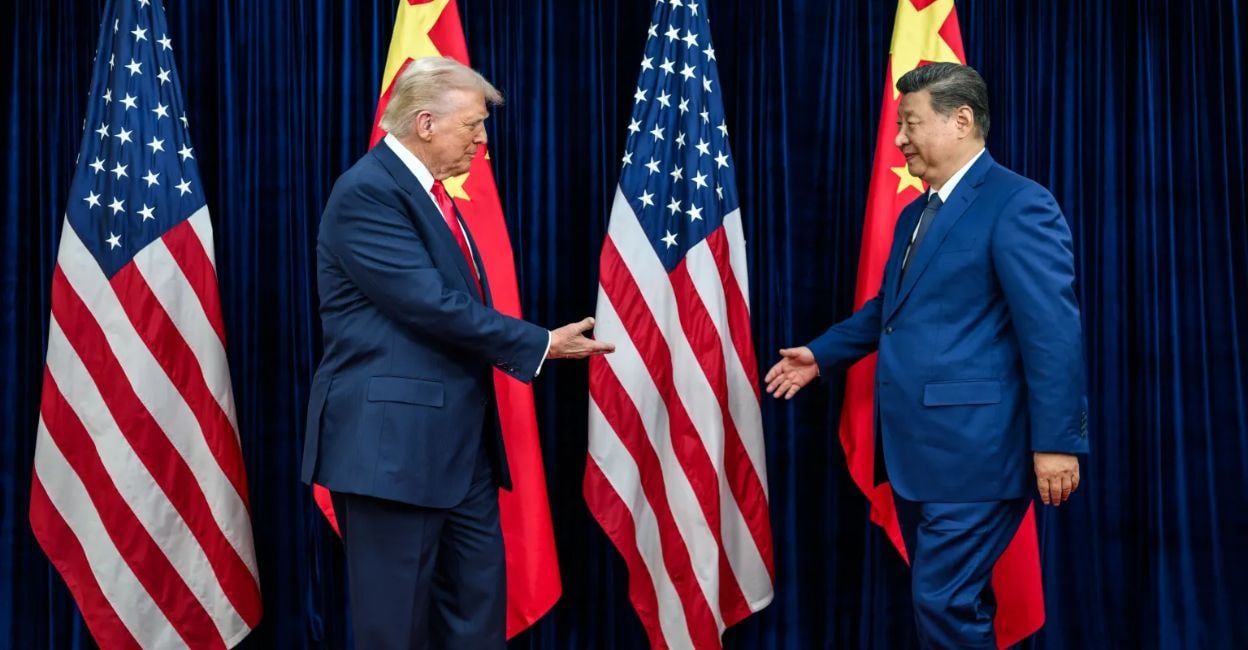
U.S. President Donald Trump has arrived in Beijing for a high-stakes diplomatic summit with Chinese President Xi Jinping, a visit that comes at a critical juncture for global security and international trade. The meeting is being closely watched by world leaders as the United States seeks a diplomatic pathway to resolve the ongoing conflict in Iran while simultaneously navigating a volatile economic relationship with the world’s second-largest economy.
The Trump China visit 2026 is framed not merely as a bilateral meeting, but as a litmus test for American geopolitical influence. With the conflict in Iran continuing to destabilize the Middle East, the Trump administration is reportedly looking to Beijing to leverage its unique diplomatic channels to help bring the war to a conclusion. The urgency of the situation is underscored by China’s own public stance, with Beijing emphasizing that it is essential for the hostilities to end immediately.
However, the optics of the visit are complicated by a backdrop of economic friction and previous diplomatic setbacks. Analysts suggest that the summit may reveal the extent to which U.S. Influence has shifted following a series of trade tariff disputes and the escalating geopolitical pressures associated with the Iran crisis. As the two leaders convene, the primary objective remains whether the U.S. Can secure Chinese cooperation on security matters without conceding significant ground on economic fronts.
The Iran Conflict: Seeking Chinese Mediation
Central to the agenda of the summit is the ongoing war in Iran. The Trump administration has indicated that a primary goal of the visit is to secure Chinese intervention to help mediate an end to the violence. Because China maintains complex economic and diplomatic ties with various regional actors, it is viewed as one of the few global powers capable of exerting meaningful pressure on the parties involved in the conflict.
Chinese officials have already signaled their alignment with the need for peace, stating that the immediate cessation of the war is a necessity. This alignment provides a narrow window for diplomatic cooperation, though the specific mechanisms through which China would intervene remain a subject of intense negotiation. The ability of the U.S. To convince Beijing to take an active role in the peace process will likely determine the success of the trip from a security perspective.
The necessity of this mediation highlights a shift in the traditional U.S. Approach to Middle Eastern diplomacy. By seeking China’s help, the administration acknowledges the interconnected nature of global security and the reality that unilateral U.S. Action has not yet resolved the hostilities in the region.
Trade Tariffs and the Struggle for Leverage
While the Iran crisis provides the immediate impetus for the visit, the shadow of trade tariffs looms large over the discussions. The relationship between Washington and Beijing has been characterized by a cycle of tariffs and counter-tariffs, creating a climate of economic instability that both nations are eager to manage, if not fully resolve.

The diplomatic challenge for President Trump is to balance the need for Chinese assistance in Iran with the ongoing demand for fairer trade terms. There is a perceived risk that the urgency of the Iran war could be used as leverage by Beijing to secure concessions on tariffs or other economic mandates. This tension creates a complex bargaining environment where security needs and economic interests are inextricably linked.
For the U.S., the goal is to maintain a position of strength while securing a commitment from President Xi to act as a peacemaker. For China, the summit is an opportunity to demonstrate its role as a responsible global superpower and a primary mediator in international crises, potentially filling a void left by shifting U.S. Foreign policy strategies.
Analyzing the Shift in Global Influence
The arrival of the U.S. President in Beijing has sparked a broader debate among geopolitical experts regarding the current state of American hegemony. Some analysts argue that the very necessity of this visit—and the reliance on China to resolve a conflict in the Middle East—indicates a decline in the U.S.’s ability to dictate global outcomes independently.
The combination of the Iran war’s persistence and the setbacks associated with trade tariffs has, according to some observers, eroded the diplomatic leverage the U.S. Once held. The summit is therefore seen as a reveal of the current power balance. if the U.S. Is forced to make significant concessions in exchange for Chinese help in Iran, it may signal a transition toward a more multipolar world where the U.S. Is one of several competing influencers rather than the sole superpower.
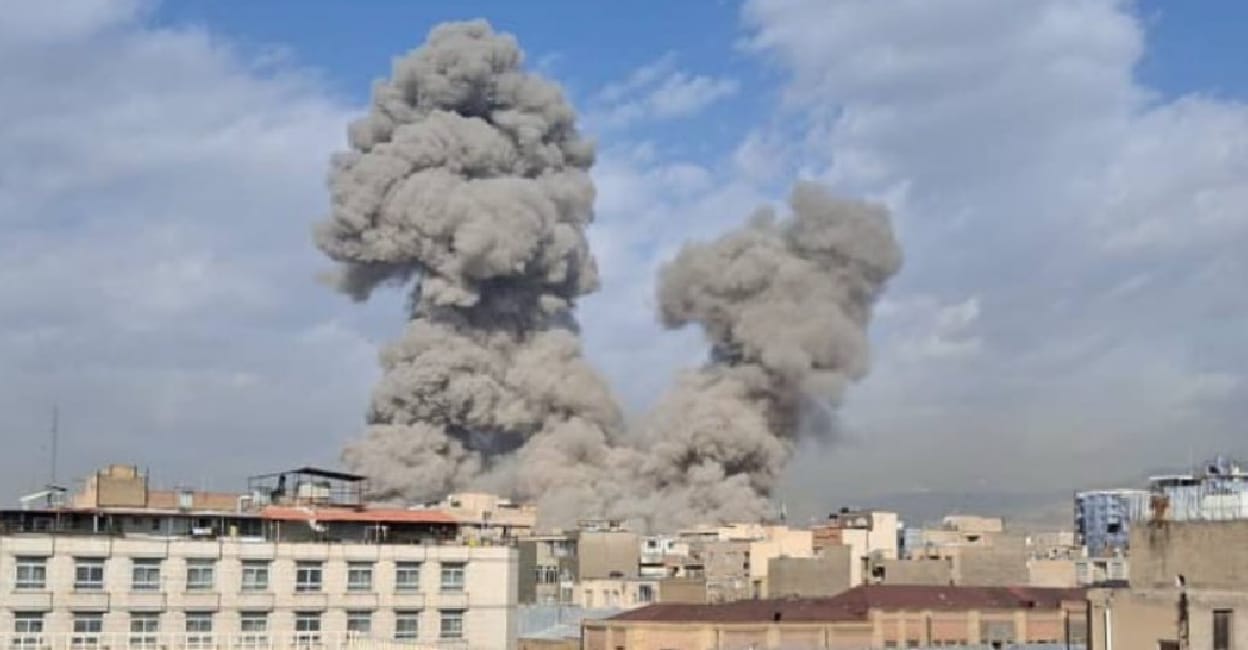
Conversely, if the administration can successfully pivot the conversation to secure a peace deal in Iran while upholding its economic goals, the visit could be framed as a masterstroke of “deal-making” diplomacy, reaffirming the U.S.’s ability to navigate complex international waters to achieve its strategic objectives.
The outcome of these discussions will likely have ripple effects across the globe, affecting everything from oil prices and shipping lanes in the Middle East to the stability of global supply chains and the future of international trade law.
The world now awaits the official joint statement following the talks between President Trump and President Xi. The next confirmed checkpoint will be the release of the official summit communiqué, which will detail any agreements reached regarding the Iran conflict and the status of trade relations.
We invite our readers to share their perspectives on this diplomatic summit in the comments below. How do you believe this visit will impact global stability?
Keep reading