
Canada is preparing for its next major demographic snapshot, with the 2026 Census of Population scheduled to take place in May 2026. While the census traditionally serves as a head-count of the nation, the upcoming cycle signals a deeper dive into the mechanics of daily Canadian life, specifically focusing on how citizens navigate the intersection of work, education, and transit.
According to a technical fact sheet released by Statistics Canada on July 4, 2025, the agency is implementing specific content changes to the questionnaire. These updates are designed to maintain the relevance of the data in a rapidly evolving economic landscape, with a particular emphasis on labour market activities, commuting patterns, and education.
The shift toward more granular data on commuting and labour is not a sudden change but the result of extensive preparatory testing. Statistics Canada is refining its approach to ensure that the data collected can effectively support a wide variety of programs and services across the country’s diverse communities.
Refining the 2026 Census Through Large-Scale Testing
To ensure the 2026 Census captures accurate and usable data, Statistics Canada conducted a rigorous evaluation phase known as the 2024 Census Test. This phase involved approximately 222,000 households selected from communities across Canada to determine if new or modified questions were easily understood and answered by the public.
This testing phase is critical because census data serves as the foundation for government funding, infrastructure planning, and the allocation of social services. If a question is ambiguous, the resulting data can lead to inefficiencies in how public resources are deployed. By testing the questionnaire on a sample of over 200,000 households, the agency can identify friction points in the user experience before the official rollout in May 2026.
Why Commuting and Labour Data Matters
The inclusion of detailed information regarding commuting and labour market activities is central to the 2026 update. This focus reflects the need to understand how the Canadian population’s demographic characteristics and daily movements have shifted, likely influenced by the rise of hybrid work and changing urban migration patterns.
Detailed commuting data allows policymakers to analyze transit bottlenecks, evaluate the efficiency of public transportation, and plan future infrastructure projects. When the government understands not just where people live, but how they get to work and how long those journeys take, it can make more informed decisions regarding road expansions, transit frequency, and the placement of new commercial hubs.
the 2026 Census aims to capture a more nuanced view of “labour market activities.” This includes tracking not just employment status, but the specific nature of how Canadians engage with the workforce, which in turn informs economic policy and social support systems.
Modernizing the Questionnaire Logic
In addition to changing what is asked, Statistics Canada is changing how it is asked. The agency has introduced modifications to the logic of the electronic questionnaire to reduce respondent burden and improve data quality.
One significant update involves the “labour market activities and commuting” section. For individuals who are absent from work or on lay-off, the electronic questionnaire has been updated to allow them to bypass up to three questions that would otherwise be irrelevant to their current situation. Corresponding adjustments have also been made to the paper version of the census to ensure consistency across all formats.
These modifications to the order and logic of the questions are intended to streamline the process, making it less tedious for the respondent while ensuring the agency collects high-quality, relevant data. By removing unnecessary hurdles, Statistics Canada hopes to increase completion rates and reduce errors caused by respondent frustration.
Key Focus Areas for the 2026 Census
| Focus Area | Objective | Methodology/Change |
|---|---|---|
| Commuting | Support infrastructure and transit planning | Detailed movement and transit data |
| Labour Market | Analyze workforce trends and employment | Updated question order and logic |
| Education | Evaluate educational attainment and access | Questionnaire content review |
| User Experience | Increase data accuracy and completion | Logic bypass for lay-offs/absences |
The Broader Impact of Census Accuracy
The 2026 Census is more than a bureaucratic exercise; it is a primary tool for evidence-based governance. The data collected in May 2026 will influence everything from the number of school seats available in a growing suburb to the frequency of bus routes in an urban core.
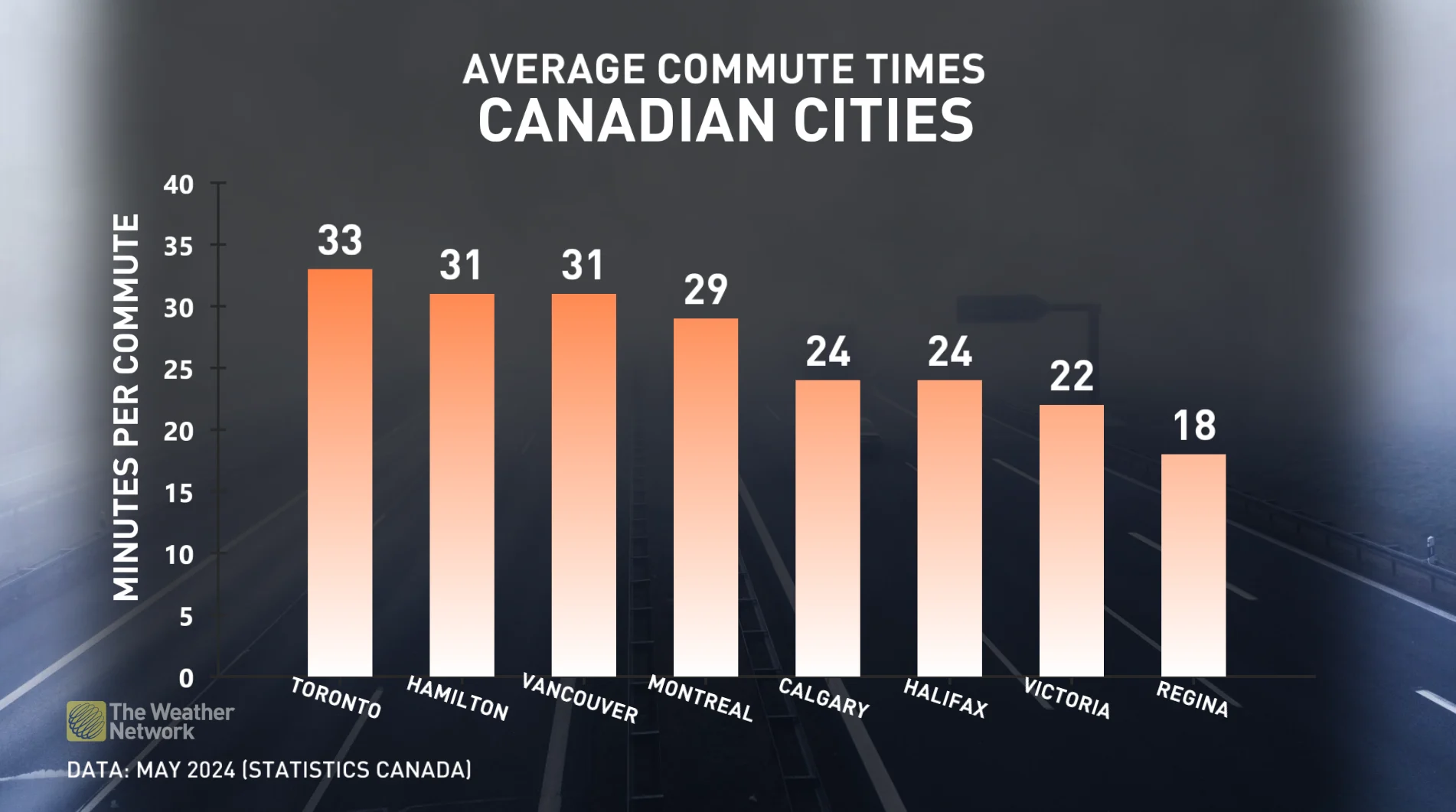
By focusing on labour market activities and commuting, Statistics Canada is acknowledging that the traditional “9-to-5” office commute may no longer be the dominant reality for a significant portion of the population. Capturing these shifts is essential for ensuring that public services evolve alongside the people they serve.
The process of consultative engagement, testing, and data evaluation ensures that the census remains a living document, evolving to reflect the actual lived experiences of Canadians. This iterative process is what allows the census to remain the gold standard for demographic data in Canada.
The next major milestone for the project is the official commencement of the Census of Population in May 2026. Residents can expect to receive instructions and access to the questionnaire as the date approaches.
Do you have questions about how the 2026 Census will affect your community? Share your thoughts in the comments below or share this article with your network to keep others informed.
Keep reading