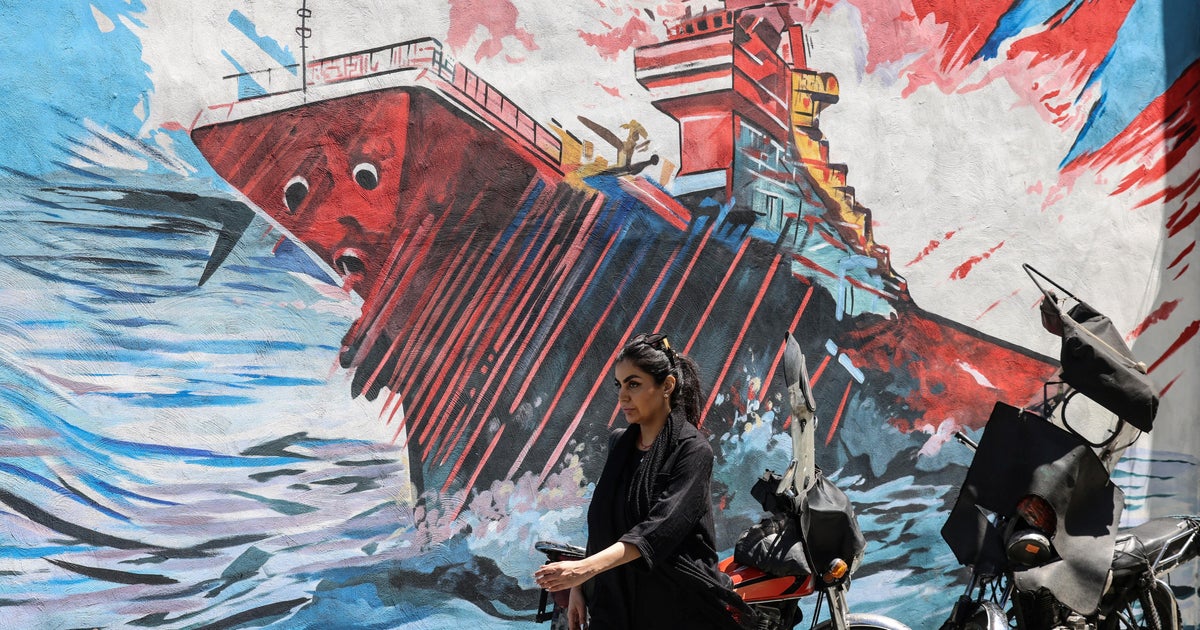
Tensions between Washington and Tehran have reached a critical tipping point this week, as President Donald Trump warned that the current Iran U.S. Ceasefire is “on life support.” The statement follows the administration’s rejection of Iran’s latest response to a U.S. Peace proposal, signaling a potential collapse of the fragile truce that has held since early April.
In a swift response to the U.S. Position, the speaker of the Iranian parliament, Mohammad Bagher Ghalibaf, asserted that the Islamic Republic’s military is prepared to “teach a lesson” to any aggressor. Ghalibaf further maintained that there is “no alternative” to Iran’s proposed peace plan, setting the stage for a high-stakes diplomatic standoff.
The current volatility follows a period of intense conflict that began on February 28, when the United States and Israel launched joint war operations against Iran. These “major combat operations” involved massive strikes targeting Iranian government, military, and infrastructure sites. While a ceasefire eventually took effect on April 8, the peace has remained tenuous, characterized by a continued U.S. Blockade and failed preliminary talks in Pakistan.
As the diplomatic window narrows, the regional impact is widening, with increased military deployments in the Gulf and escalating clashes in Lebanon, raising fears that the conflict could once again expand into a full-scale regional war.
The Escalating Financial and Strategic Cost of Conflict
The human and political tolls of the conflict are now being joined by a staggering financial bill. During a House Appropriations hearing on Tuesday morning, acting Pentagon comptroller Jules W. Hurst III testified that the war has cost the United States at least $29 billion. This figure represents a significant increase from the $25 billion estimate provided just two weeks prior.
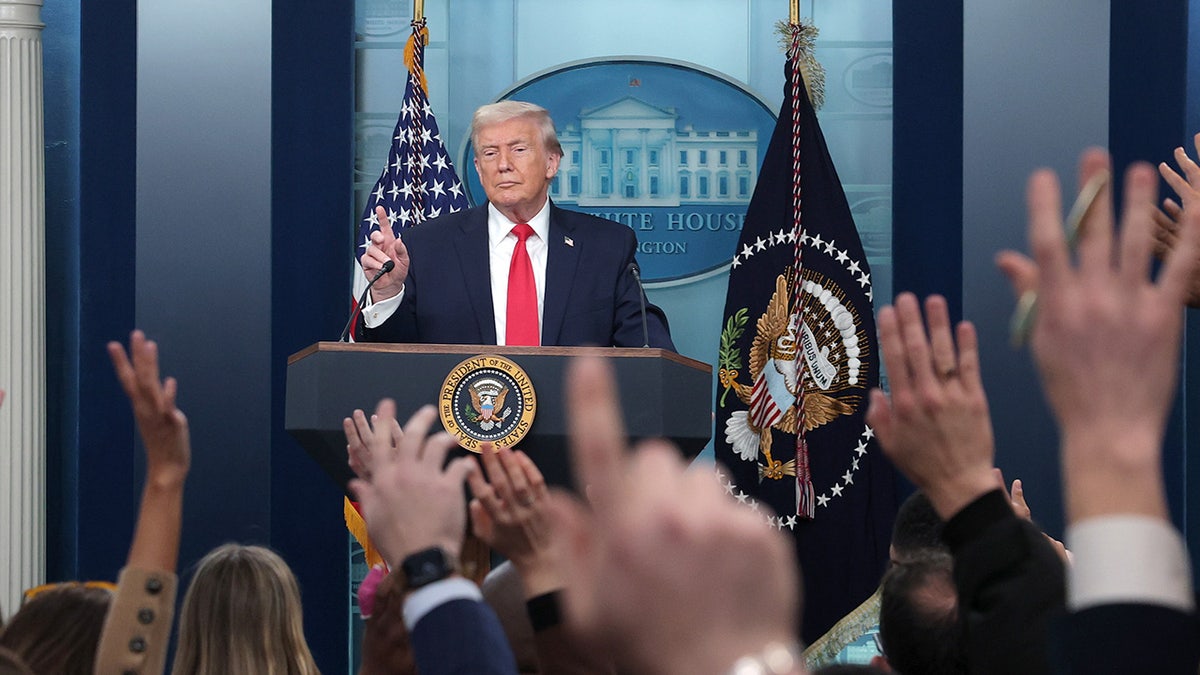
Hurst explained that the updated costs are driven by the need for equipment replacement and general operational expenses required to maintain personnel within the theater of operations. The rising cost of munitions has also been a primary driver of the expenditure. When questioned by Representative Pete Aguilar (D-Calif.) regarding when Congress would receive a more comprehensive accounting of these expenses, Secretary of Defense Pete Hegseth stated that the information would be shared “when it’s relevant and required.”
Beyond the financial burden, the strategic stakes have shifted toward nuclear escalation. An Iranian lawmaker recently indicated that Tehran may consider increasing its uranium enrichment to 90% if the country is attacked again—a level dangerously close to weapons-grade material. This threat underscores the volatility of the current ceasefire and the potential for a rapid escalation if diplomatic efforts fail.
Regional Spillover: Lebanon, UAE, and Kuwait
While the primary focus remains on the direct tension between the U.S. And Iran, the conflict is actively spilling over into neighboring states. In southern Lebanon, the Israel Defense Forces (IDF) reported hitting 45 alleged Hezbollah targets over a 24-hour period. These strikes resulted in the deaths of six people, according to state media. In response, the leader of the Iranian-backed Hezbollah vowed to turn the battlefield “into hell for Israel.”
The instability is also prompting a shift in defense alliances within the Persian Gulf. U.S. Ambassador to Israel Mike Huckabee confirmed on Tuesday that Israel has deployed anti-missile batteries and personnel to the United Arab Emirates (UAE). This move is designed to protect the UAE from potential Iranian attacks and highlights a deepening defense partnership between Israel and the UAE, forged in the shadow of the current war.
Further security breaches have emerged in Kuwait. The Kuwaiti ministry of defense announced the arrest of four individuals who attempted to enter the country by sea via a rented fishing boat. According to the ministry, the suspects confessed during interrogation to their affiliation with the Iranian Revolutionary Guard Corps (IRGC) and admitted to attempting to infiltrate Bubiyan Island to carry out “hostile acts.” Two other suspects reportedly escaped after clashing with security forces.
Key Takeaways: The Current Iran-U.S. Standoff
- Ceasefire Status: President Trump has described the ceasefire as being “on life support” after rejecting Tehran’s response to a peace proposal.
- Military Threats: Iran’s parliament speaker, Mohammad Bagher Ghalibaf, warned that the military is ready to “teach a lesson” to any aggressor.
- Financial Toll: The U.S. War effort is estimated to have cost $29 billion as of May 2026.
- Regional Instability: Ongoing IDF strikes in Lebanon and the infiltration of IRGC-linked agents into Kuwait indicate a broadening conflict.
- Nuclear Risk: Iranian lawmakers have suggested a move toward 90% uranium enrichment if attacks resume.
What Happens Next?
The immediate future of the region depends on whether the current ceasefire can be salvaged or if the “life support” mentioned by President Trump will be withdrawn. The U.S. Continues to maintain a blockade on Iran, a measure Trump stated would remain in place until negotiations are concluded “one way or the other.”
While the U.S. And Iran remain at a deadlock, a separate diplomatic effort is underway to address the violence in Lebanon. Israel and Lebanon are scheduled to hold a third round of talks in Washington later this week. The outcome of these discussions may provide a bellwether for whether the broader regional tensions can be managed or if the cycle of strikes and counter-strikes will intensify.
For those following these developments, official updates from the U.S. Department of Defense and the State Department remain the primary sources for changes in the status of the ceasefire or the blockade.
Next Confirmed Checkpoint: The third round of diplomatic talks between Israel and Lebanon in Washington, scheduled for later this week.
We invite our readers to share their perspectives on these developments in the comments below. Please share this report to keep your network informed on the evolving situation in the Middle East.
Keep reading