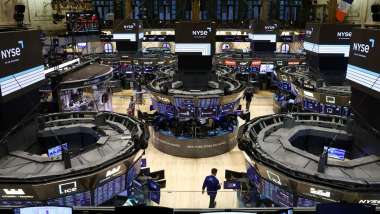
As global markets continue to navigate the complex intersections of geopolitics and fiscal policy, Thursday’s trading session marked a significant shift in investor sentiment. On May 21, 2026, U.S. Markets recorded a robust performance, with the Dow Jones Industrial Average reaching a notable milestone, closing at a fresh high for the first time in three months. This upward momentum, which saw the Dow gain 276.31 points to settle at 50,285.66, was largely attributed to emerging reports of potential diplomatic progress in the Middle East.
The core of this market enthusiasm stems from reports suggesting that negotiations between the United States and Iran, facilitated by mediation in Pakistan, are nearing a potential peace agreement. While the geopolitical landscape remains fluid, the prospect of de-escalation has provided a reprieve for investors who have been closely monitoring the volatility in energy markets and the broader implications of regional instability. Market participants responded to these signals with renewed risk appetite, pushing major indices into positive territory despite ongoing scrutiny of corporate earnings and regulatory filings.
Market Response and Geopolitical Tensions
The influence of international diplomacy on equity markets was evident as the trading day progressed. Beyond the Dow’s 0.55% gain, the S&P 500 rose by 0.17% to 7,445.72, and the Nasdaq Composite climbed 0.09% to 26,293.10. The Philadelphia Semiconductor Index also saw a modest increase of 0.128%, closing at 11,964.085. This broad-based rally reflects a market that is increasingly sensitive to the tangible outcomes of diplomatic channels in the Middle East, as investors attempt to price in the potential for stabilized supply chains and reduced risk premiums.

In parallel, the energy sector experienced significant volatility. Early in the day, both Brent and West Texas Intermediate (WTI) crude oil futures saw sharp increases. However, the sentiment shifted rapidly following reports of progress in the U.S.-Iran negotiations. By the close of the session, WTI crude had fallen by nearly 2%, settling at $96.35 per barrel, while Brent crude declined by over 2% to finish at $102.58 per barrel. The inverse relationship between the potential for a diplomatic breakthrough and oil prices underscores the market’s expectation that a reduction in regional tensions could alleviate current pressures on global energy costs.
Understanding the Diplomatic Landscape
For observers of international affairs, the current situation represents a critical juncture. The potential for a framework to address long-standing grievances between Washington and Tehran has been a focal point for global analysts. While specific details regarding the scope of these discussions—particularly concerning sensitive nuclear programs—remain subject to verification and ongoing negotiation, the market’s reaction highlights the high stakes involved for global economic stability.
It is important for investors and observers to distinguish between market reactions to speculative reports and the confirmation of formal state actions. As of late May 2026, the situation remains a developing story. Market participants are advised to monitor official communications from the U.S. Department of State and relevant international diplomatic offices for verified updates on the status of these talks. Relying on official government press briefings and confirmed international reporting is essential for navigating the volatility that such high-level geopolitical shifts often generate.
Economic Indicators and Future Outlook
The recent market activity is not occurring in a vacuum. Investors are also balancing these geopolitical developments against broader macroeconomic data. The ongoing interest in corporate performance, such as the recent financial disclosures from major technology firms, continues to shape the underlying trajectory of the indices. The market remains reactive to signals from central banks and updates on fiscal policy, which continue to influence long-term growth expectations.
As we look toward the coming weeks, the primary watchpoint remains the seven-day window mentioned in recent reports regarding further negotiations. Whether these discussions will lead to a sustainable, long-term resolution or remain a temporary pause in regional tensions is a question that will occupy both policymakers and financial analysts. For the individual investor, the current environment serves as a reminder of the necessity of maintaining a diversified portfolio capable of weathering the periodic shocks inherent in international relations.
We invite our readers to share their perspectives on how geopolitical shifts are impacting their investment strategies. As always, World Today Journal remains committed to providing in-depth analysis of these complex global stories. Please feel free to join the conversation in the comments section below as we continue to track these developments in real-time.
Worth a look