
Renowned Japanese actress Tamao Nakamura has passed away at the age of 86 due to pneumonia, according to reports from public broadcaster NHK and various news agencies. A fixture of Japanese cinema and television for decades, Nakamura was widely recognized for her versatile performances in historical dramas, modern serials, and long-running variety programs.
The veteran performer, born in 1939, built a career that spanned the transition from the golden age of Japanese film into the era of mass-market television entertainment. Her death marks the end of a significant chapter in Japanese cultural history, as colleagues and the public reflect on a legacy that balanced serious acting with a celebrated, down-to-earth personality on talk shows.
A Career Spanning Generations
Nakamura’s career began in the film industry, where she quickly established herself as a formidable talent. She gained critical acclaim for her role in the 1959 film Daibosatsu Toge (The Great Bodhisattva Pass), a performance that helped solidify her status as a leading actress of her time. Her ability to navigate complex emotional roles made her a staple of the silver screen throughout the 1960s.

As the landscape of Japanese media shifted in the later 20th century, Nakamura successfully transitioned into television. She gained widespread popularity for her role in the long-running medical drama Inochi no Genba kara (From the Scene of Life), where she portrayed a head nurse with a blend of authority and compassion that resonated deeply with viewers. Beyond scripted drama, she became a household name across Japan through her appearances on the variety show Sanma no Super Karakuri TV, where her candid humor and approachable demeanor earned her a new generation of fans.
Industry Tributes and Reflections
The entertainment industry has responded to the news with an outpouring of tributes. Kabuki actor Ainosuke Katahata expressed his sorrow, noting that he had frequently shared meals with Nakamura over the years. According to reports from Sponichi Annex, Katahata remarked that he felt a sense of premonition regarding the news, describing it as a “mushi no shirase”—a Japanese idiom referring to an intuitive sense of impending bad news.
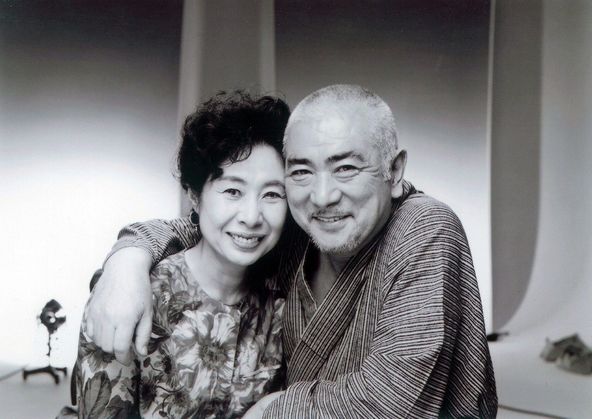
Her influence extended beyond the roles she played; she was often cited by younger actors as a mentor and a professional role model. Her ability to maintain her career across multiple formats—from the intensity of historical cinema to the lighthearted nature of prime-time variety television—remains a rare achievement in the Japanese entertainment industry.
The Cultural Significance of Tamao Nakamura
Tamao Nakamura’s death brings into focus the changing tides of Japanese television history. For many, she represented a bridge between the traditional, formal style of acting prevalent in the mid-20th century and the more casual, personality-driven television culture of the 1990s and 2000s. Her work in Inochi no Genba kara, in particular, is often studied as an example of how television dramas in Japan utilized established film stars to anchor long-running, character-driven narratives.
Her participation in Sanma no Super Karakuri TV also highlighted a unique aspect of her career: the “tarento” (celebrity) status. In Japan, the ability for an actor to be taken seriously in drama while being genuinely funny and self-deprecating on game shows is a specific skill set that Nakamura mastered. She remained a beloved figure in the public eye well into her later years, frequently appearing on talk shows and special programs.
Public Remembrance and Official Updates
While details regarding private funeral arrangements have not been publicly disclosed by her family at this time, the Jiji Press service confirmed that her passing was attributed to pneumonia, a common cause of death among the elderly. As is tradition in Japan, fans are expected to leave messages of condolence through official agency channels and social media platforms.
The loss of Nakamura leaves a void in the Japanese arts community. Her body of work remains preserved in the archives of major broadcasters and film studios, ensuring that her performances will continue to be viewed by future audiences. Please share your thoughts on her most memorable roles or how her work impacted your appreciation of Japanese cinema in the comments below.