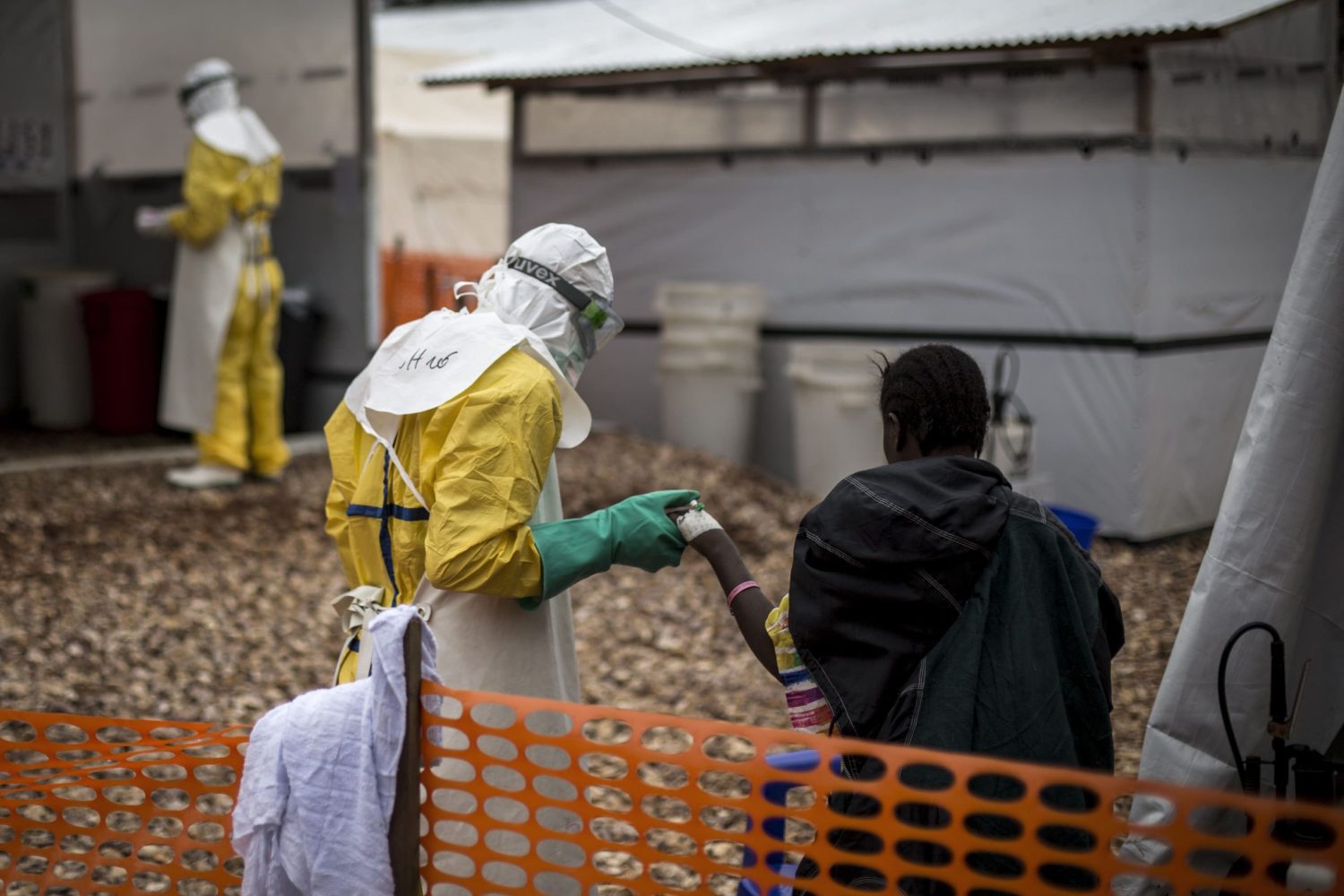
Public health officials in the Democratic Republic of the Congo (DRC) continue to face significant challenges in managing Ebola outbreaks within the Ituri province, where deep-seated regional instability and widespread misinformation often hinder containment efforts. According to the World Health Organization (WHO), successfully controlling Ebola requires not only medical intervention but also the active trust and cooperation of local communities, which remains difficult in areas affected by long-term conflict and mass displacement.
In Ituri, where persistent insecurity complicates the delivery of essential health services, health workers frequently report that rumors—often suggesting the disease is fabricated or linked to external political agendas—circulate rapidly. These narratives significantly impact the efficacy of vaccination programs and safe burial practices. As a physician, I have observed that when humanitarian access is limited by violence, the resulting information vacuum is frequently filled by local myths or deliberate disinformation, creating a profound barrier to medical care that clinicians must address alongside the biological threat.
The Impact of Conflict on Disease Surveillance
Ituri remains a region characterized by chronic insecurity and the movement of large populations, factors that the United Nations High Commissioner for Refugees (UNHCR) identifies as primary drivers of vulnerability. When populations are displaced due to armed conflict, traditional disease surveillance systems often collapse. This makes it difficult for health ministries to track transmission chains, leading to delayed responses that can allow the virus to spread further into both urban and remote settings.

The intersection of health crises and humanitarian emergencies requires a multifaceted strategy. Medical teams in the field must coordinate with local community leaders to establish “safe zones” for treatment, as noted by the WHO Regional Office for Africa. Without this community-based approach, even the most advanced medical equipment and vaccines remain underutilized, as residents—fearful of the unknown or suspicious of outsiders—may avoid testing centers or hide symptomatic family members.
Why Misinformation Spreads in Crisis Zones
Disinformation regarding Ebola often thrives in environments where state institutions have historically struggled to provide consistent services. When a community lacks access to clean water, electricity, or education, the sudden arrival of well-funded, international medical teams can be viewed with skepticism. According to research published by the Lancet Infectious Diseases, the perception of “manufactured” disease is a common reaction to high-stress, low-trust environments.

To counter these narratives, health organizations have shifted toward hiring local “community mobilizers.” These individuals, who are already embedded in the social fabric of Ituri, are tasked with explaining the virus in local dialects and addressing fears regarding isolation and vaccination. This method is considered a best practice in public health, as it replaces impersonal, top-down directives with interpersonal communication that respects cultural context and addresses individual concerns directly.
Challenges to Vaccination and Treatment
Vaccination campaigns in the DRC have been instrumental in curbing recent outbreaks, yet their success is contingent upon public acceptance. The Gavi Vaccine Alliance reports that the deployment of the rVSV-ZEBOV vaccine has been a critical tool in containment. However, the requirement for a cold chain—the need to keep the vaccine at ultra-low temperatures—presents a logistical hurdle in provinces like Ituri, where infrastructure is underdeveloped and electricity is unreliable.
Furthermore, medical teams must navigate the delicate balance of providing care while ensuring their own safety. In instances of intense civil unrest, aid workers have been targeted, leading to temporary suspensions of health programs. According to the Médecins Sans Frontières (MSF), maintaining neutrality in conflict zones is essential to gaining the trust of all factions, which in turn allows for the uninterrupted provision of care to those most at risk of infection.
Looking Ahead: Building Long-Term Resilience
The future of public health in the DRC depends on strengthening the healthcare infrastructure at the local level. Rather than relying solely on reactive, emergency-based responses during an outbreak, international partners are increasingly focusing on training local healthcare workers to manage primary care, maternal health, and vaccination programs year-round. By building these local capacities, health systems become more resilient, making them better prepared to detect and contain infectious diseases before they escalate into regional crises.
For those tracking the latest developments, the WHO Disease Outbreak News portal provides the most current, verified data regarding active cases and vaccination efforts globally. Addressing the challenge of Ebola in the heart of the DRC is a long-term commitment that requires patience, cultural sensitivity, and a sustained investment in the people who live and work in the affected regions. We welcome your thoughts on how international health policy can better support local community trust in the comments section below.
Keep reading