
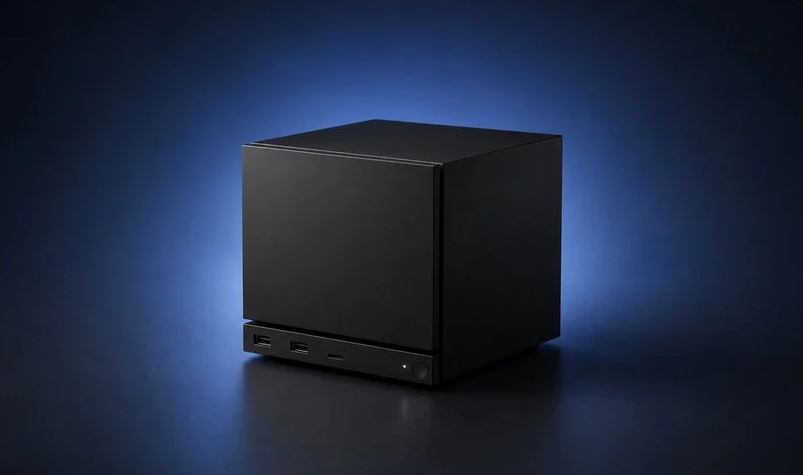
Shuhei Yoshida, a long-time veteran of Sony Interactive Entertainment and current head of its Independent Developer Initiative, has publicly expressed skepticism regarding the long-term viability and appeal of Steam Machines. In comments that highlight the challenges Valve faced with its hardware venture, Yoshida characterized the devices as difficult to recommend to the average consumer, citing significant hurdles in user experience and market positioning.
The Steam Machine project, an ambitious hardware initiative launched by Valve to bring the PC gaming experience into the living room, struggled to find its footing after its commercial release. While the platform was intended to bridge the gap between traditional desktop gaming and console convenience using a Linux-based operating system, industry feedback—including remarks from figures like Yoshida—often centered on the complexity of the ecosystem compared to established consoles like the PlayStation or Xbox.
Hardware Expectations and Performance Discrepancies
A recurring point of friction for the Steam Machine project involved the discrepancy between marketing claims and actual hardware performance. Early promotional materials from various manufacturers associated with the initiative frequently touted high-fidelity gaming, including “4K/60fps” capabilities. However, as independent reviews and technical analyses emerged, these performance benchmarks were frequently challenged.
In several instances, Valve and its hardware partners faced scrutiny for quietly adjusting product descriptions after users reported that the hardware struggled to maintain those high-performance targets in demanding titles. For example, some technical outlets noted that specific references to “4K/60fps” were eventually removed or downgraded to a more generic “supports 4K resolution” in official documentation. This shift in messaging underscored the technical limitations of the early SteamOS hardware, which often required significant software optimization that was not always present at launch.
The Challenges of the Living Room PC
The primary barrier to entry for many users was the operating system. SteamOS, built on Linux, required developers to port their titles to a new environment, leading to a fragmented library at launch. Unlike the standardized hardware of the PlayStation, which Yoshida has championed throughout his tenure at Sony, the Steam Machine initiative relied on a variety of third-party hardware configurations.

For enthusiasts, the ability to install non-Steam games or modify the hardware was a selling point. However, for a mainstream audience looking for a “plug-and-play” experience, the necessity of troubleshooting driver updates, compatibility issues, and the occasional need to access a desktop interface hindered widespread adoption. The project was eventually phased out, with Valve shifting its focus toward the development of the Steam Deck, a handheld device that utilizes a more refined version of the software stack originally designed for the living room.
Industry Perspectives on Hardware Evolution
Yoshida’s critique serves as a historical marker for the evolution of gaming hardware. His perspective reflects the broader industry consensus that console success relies heavily on a curated, seamless ecosystem—a stark contrast to the open, often volatile nature of the early PC-console hybrid market. The transition from the Steam Machine to the Steam Deck represents a significant pivot in strategy for Valve, moving away from competing directly with traditional living room consoles and toward the portable form factor where their software ecosystem could thrive without the same performance-per-dollar pressures.

As the market for gaming hardware continues to shift with the rumored development of successor consoles from major manufacturers like Nintendo and the ongoing refinement of handheld gaming PCs, the lessons from the Steam Machine remain relevant. The importance of clear performance transparency, software stability, and a consistent user experience continues to dictate the success of hardware platforms in a competitive global market.
There are currently no scheduled official announcements regarding a revival of the standalone Steam Machine brand. Readers interested in the evolution of Valve’s hardware strategy can monitor the official Steam News Hub for updates on SteamOS and the ongoing development of the Steam Deck ecosystem. We invite readers to share their experiences with early PC-living room hardware in the comments section below.